
Escalating tensions in vital waterways
The US Central Command (CENTCOM) announced on Monday that its forces had destroyed six Iranian naval vessels and intercepted and downed missiles and drones launched by Iranian forces toward US Navy and commercial ships in the region. This announcement comes amid escalating tensions that threaten maritime security in one of the world's most important waterways.
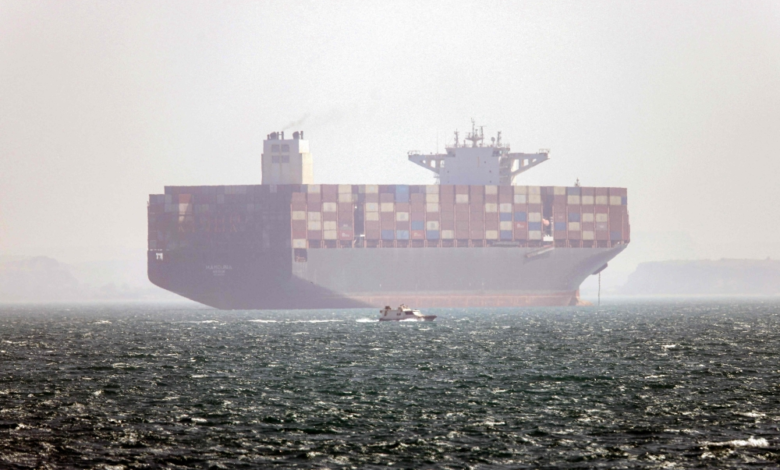
In the statement, Admiral Brad Cooper told reporters that U.S. Apache and Seahawk helicopters carried out precision strikes targeting six Iranian small boats that posed a direct threat to commercial shipping. Cooper confirmed that U.S. forces "effectively countered" all aerial threats, including "missiles and drones fired at us and commercial vessels," emphasizing the United States' commitment to protecting freedom of navigation.
Iran's categorical denial
In response, Tehran was quick to categorically deny the American account. Iranian state television quoted an unnamed military official as saying that “the US claim that it sank a number of Iranian warships is false and baseless.” This denial adds another layer of complexity to the incident, leaving the door open to varying interpretations and increasing uncertainty in the region.
Historical context of maritime tensions
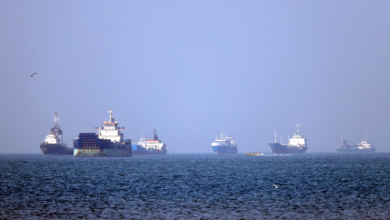
This incident cannot be understood in isolation from the long history of tension between the United States and Iran, particularly in the waters of the Persian Gulf and the strategic Strait of Hormuz, through which nearly a fifth of the world's oil supply passes. The past few years have witnessed a series of incidents and confrontations, including the seizure of oil tankers, mysterious attacks on ships, and skirmishes between the two countries' naval forces. Iran considers the Strait of Hormuz vital to its national security and has frequently threatened to close it in response to military pressure or economic sanctions.
Importance and potential impacts
This latest escalation has serious repercussions at the local, regional, and international levels. Regionally, the incident increases the risk of a direct military confrontation between Washington and Tehran, which could drag the entire region into a wider conflict. It also comes at a time when attacks by the Houthis, Iran's allies in Yemen, on ships in the Red Sea are escalating, prompting the United States and its allies to form an international coalition to protect shipping under the name "Operation Prosperity Guardian.".
Internationally, any threat to navigation in the Arabian Gulf raises global concerns about the stability of energy markets. Such tensions could lead to higher oil prices and increased shipping insurance costs, adding further strain to a global economy already grappling with inflationary pressures. All eyes remain on the region, watching for the next steps taken by both sides, hoping to avert a full-blown conflict.