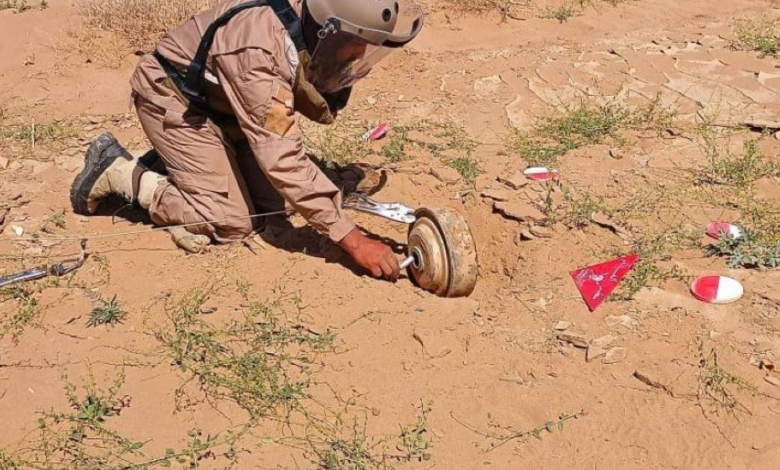

أعلن مشروع “مسام” لتطهير الأراضي اليمنية من الألغام، وهو مبادرة إنسانية من مركز الملك سلمان للإغاثة والأعمال الإنسانية، عن تحقيقه إنجازاً جديداً في مهمته لإنقاذ الأرواح، حيث تمكنت فرقه الميدانية من نزع 839 لغماً وذخيرة غير منفجرة خلال الأسبوع الأول من شهر مايو. وبهذا الإنجاز، يرتفع إجمالي ما تم إزالته منذ انطلاق المشروع إلى 558,855 لغماً وعبوة ناسفة، كانت مزروعة بشكل عشوائي في مختلف المحافظات اليمنية.
وتوزعت عمليات النزع خلال الأسبوع على عدة مناطق حيوية، حيث شملت 95 لغماً مضاداً للدبابات، و12 لغماً مضاداً للأفراد، و721 ذخيرة غير منفجرة، بالإضافة إلى 11 عبوة ناسفة. وتعكس هذه الأرقام حجم التحدي الذي تواجهه الفرق الهندسية في الميدان، والمخاطر الكبيرة التي تهدد حياة المدنيين الأبرياء.
خلفية أزمة الألغام في اليمن
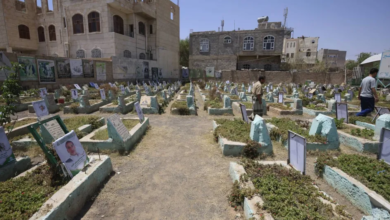
تعتبر مشكلة الألغام في اليمن من أخطر تداعيات النزاع الدائر منذ سنوات. فقد أدت عمليات زرع الألغام العشوائية من قبل ميليشيا الحوثي، بحسب تقارير أممية ودولية، إلى تحويل مساحات شاسعة من الأراضي الزراعية والطرقات والمناطق السكنية إلى حقول موت. هذه الألغام لا تفرق بين مقاتل ومدني، وتستمر في حصد أرواح الأطفال والنساء وكبار السن بعد فترة طويلة من انتهاء المعارك في تلك المناطق، مما يجعلها سلاحاً طويل الأمد يهدد أجيالاً قادمة.
الأثر الإنساني العميق وجهود “مسام”
تتجاوز أهمية مشروع “مسام” مجرد نزع الألغام؛ فهي تمثل إعادة للحياة والأمل للمجتمعات المتضررة. فكل لغم يتم إزالته يعني طريقاً آمناً جديداً للمزارعين للوصول إلى حقولهم، ومساراً آمناً للأطفال للذهاب إلى مدارسهم، وفرصة للعائلات النازحة للعودة إلى ديارها بأمان. تساهم هذه الجهود بشكل مباشر في استعادة النشاط الاقتصادي والزراعي، وتسهيل وصول المساعدات الإنسانية إلى المناطق التي كانت معزولة بسبب خطر الألغام. إن العمل الذي يقوم به “مسام” هو ركيزة أساسية لأي عملية إعادة إعمار واستقرار مستقبلي في اليمن.
تفاصيل عمليات النزع الأخيرة
تركزت الجهود الميدانية الأخيرة في عدد من المحافظات اليمنية، وجاءت النتائج كالتالي:
- محافظة عدن: تم نزع 242 ذخيرة غير منفجرة في مديرية عدن.
- محافظة مأرب: شهدت نزع 12 لغماً مضاداً للدبابات و215 ذخيرة غير منفجرة في مديرية مأرب، ولغم مضاد للدبابات و5 ذخائر في مديرية الوادي، وعبوة ناسفة في مديرية رغوان.
- محافظة حجة: تمكنت الفرق في مديرية ميدي من نزع 4 ألغام مضادة للأفراد، و79 لغماً مضاداً للدبابات، و91 ذخيرة غير منفجرة، و7 عبوات ناسفة.
- محافظة تعز: تم نزع لغمين مضادين للدبابات و21 ذخيرة غير منفجرة في مديرية ذباب، وذخيرة واحدة في المخا، و3 ذخائر في مديرية القاهرة.
- محافظات أخرى: شملت العمليات أيضاً مديريات الخوخة وحيس بالحديدة، والمكلا بحضرموت، وقعطبة بالضالع، حيث تم إزالة ألغام وذخائر متنوعة.
وتواصل المملكة العربية السعودية، عبر ذراعها الإنساني مركز الملك سلمان للإغاثة، دعمها لمشروع “مسام” بهدف تطهير كامل الأراضي اليمنية، وتأمين حياة كريمة وآمنة للشعب اليمني الشقيق، والمساهمة في بناء مستقبل خالٍ من الخوف.