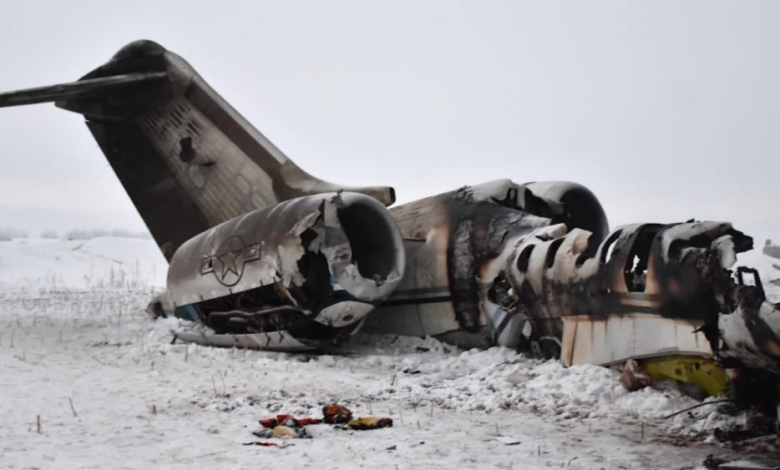

أعلن سلاح الجو الأمريكي عن تحطم طائرة تدريب من طراز “T-38 تالون” يوم الثلاثاء في منطقة غرب ولاية ألاباما، في حادث انتهى بنجاة الطيارين اللذين كانا على متنها. وأكد مسؤولون في بيان رسمي أن الطيارين تمكنا من القفز من الطائرة باستخدام المقاعد القاذفة قبل تحطمها، وهما في حالة آمنة.
ووفقًا للمعلومات الصادرة، فإن الطائرة المنكوبة تابعة لجناح التدريب الجوي الرابع عشر المتمركز في قاعدة كولومبوس الجوية بولاية ميسيسيبي، وهي إحدى القواعد الرئيسية لتدريب الطيارين في الولايات المتحدة. وقع الحادث خلال مهمة تدريبية روتينية بعد ظهر يوم الثلاثاء، ولم تتضح أسباب الحادث على الفور. وقد باشر مجلس تحقيق السلامة التابع لسلاح الجو إجراء تحقيق شامل للوقوف على ملابسات الحادث وتحديد أسبابه، سواء كانت فنية أم بشرية.
خلفية عن الطائرة T-38 تالون
تُعد طائرة نورثروب T-38 تالون أول طائرة تدريب أسرع من الصوت في العالم، وقد دخلت الخدمة في سلاح الجو الأمريكي في أوائل الستينيات. على مدى أكثر من ستة عقود، لعبت هذه الطائرة دورًا محوريًا في إعداد أجيال من الطيارين الأمريكيين وطياري دول حليفة لقيادة المقاتلات والقاذفات المتقدمة مثل F-15 Eagle و F-16 Fighting Falcon و F-22 Raptor. تتميز الطائرة بتصميمها الأنيق وقدرتها على المناورة العالية، مما يجعلها منصة مثالية لتدريب الطيارين على أسس الطيران عالي الأداء.
أهمية الحادث وتأثيره المتوقع
على الرغم من أن نجاة الطيارين تعتبر النتيجة الأفضل في مثل هذه الظروف، إلا أن الحادث يسلط الضوء مجددًا على التحديات المتعلقة بتشغيل أسطول طائرات التدريب المتقادم. ومع تجاوز عمر خدمة معظم طائرات T-38 الخمسين عامًا، تزداد المخاوف بشأن صيانتها وسلامتها التشغيلية. وتأتي هذه الحوادث لتؤكد على أهمية برنامج تحديث أسطول طائرات التدريب الذي يقوده سلاح الجو، والذي يتضمن إدخال طائرة “بوينغ T-7 Red Hawk” كبديل مستقبلي لطائرة التالون.
محليًا، استجابت فرق الطوارئ في ولاية ألاباما للحادث وقامت بتأمين الموقع، ولم ترد أي تقارير عن وقوع إصابات على الأرض أو أضرار بالممتلكات المدنية. أما على المستوى الوطني، فإن نتائج التحقيق ستكون حاسمة في مراجعة بروتوكولات السلامة والصيانة المتبعة، وقد تؤثر على جداول التدريب في القواعد الجوية التي لا تزال تعتمد على هذا الطراز من الطائرات، بهدف ضمان عدم تكرار مثل هذه الحوادث في المستقبل.