
تحرك دبلوماسي صيني لتهدئة التوترات في الخليج
في خطوة تعكس القلق الدولي المتزايد بشأن استقرار الممرات المائية الحيوية، دعت الصين باكستان إلى تكثيف جهود الوساطة بين إيران والولايات المتحدة الأمريكية، بهدف معالجة التوترات وضمان إعادة فتح مضيق هرمز بشكل كامل وآمن. جاء هذا الطلب خلال اتصال هاتفي أجراه وزير الخارجية الصيني، وانج يي، مع نظيره الباكستاني، إسحاق دار، حيث شدد على ضرورة إيجاد حل دبلوماسي للأزمة التي تهدد أحد أهم شرايين الطاقة في العالم.
وأكدت وزارة الخارجية الباكستانية في بيان رسمي على أهمية الحفاظ على وقف إطلاق نار دائم وضمان استمرارية الملاحة البحرية دون عوائق عبر المضيق، مشيرة إلى أن الجانبين اتفقا على ضرورة التعاون من أجل السلام والاستقرار الإقليمي. وتأتي هذه الدعوة في وقت وصلت فيه الجهود الدبلوماسية السابقة إلى طريق مسدود، خاصة بعد رفض إيران لمقترحات أمريكية اعتبرتها غير كافية.
الأهمية الاستراتيجية لمضيق هرمز
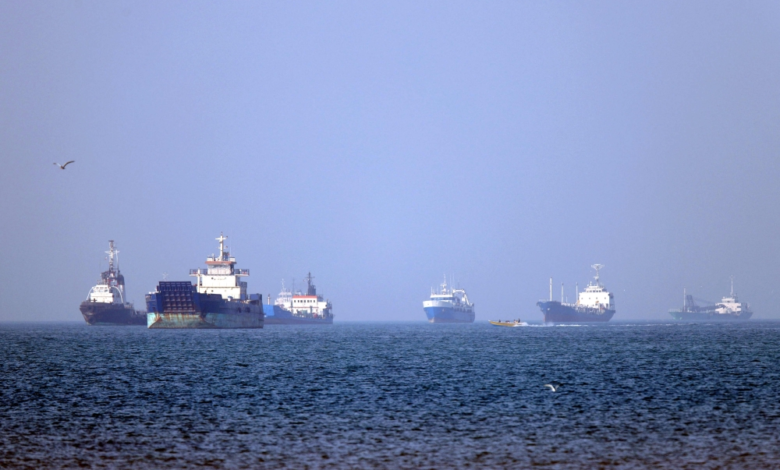
يعتبر مضيق هرمز أكثر من مجرد ممر مائي؛ فهو نقطة اختناق جيوسياسية واقتصادية بالغة الأهمية. يربط المضيق بين الخليج العربي وخليج عمان، ومن خلاله يمر ما يقارب خُمس استهلاك النفط العالمي، بالإضافة إلى كميات هائلة من الغاز الطبيعي المسال. لطالما كان المضيق محورًا للتوترات في الشرق الأوسط، حيث هددت إيران في مناسبات عدة بإغلاقه ردًا على العقوبات الاقتصادية أو التهديدات العسكرية، وهو ما يمثل تهديدًا مباشرًا للاقتصاد العالمي. إن أي تعطيل لحركة الملاحة فيه سيؤدي حتمًا إلى ارتفاع فوري وحاد في أسعار الطاقة العالمية، مما يؤثر على استقرار اقتصادات الدول المستوردة والمصدرة على حد سواء.
أبعاد الدور الصيني والباكستاني
تكمن مصلحة الصين المباشرة في الحفاظ على أمن مضيق هرمز في كونها أكبر مستورد للنفط في العالم، حيث يعبر جزء كبير من وارداتها النفطية عبر هذا المضيق. لذلك، فإن استقرار المنطقة يمثل أولوية لأمن الطاقة الصيني. من ناحية أخرى، يُنظر إلى باكستان كوسيط محتمل ومقبول نظرًا لعلاقاتها الجيدة تاريخيًا مع كل من إيران، جارتها المباشرة، والولايات المتحدة، بالإضافة إلى علاقاتها الاستراتيجية مع الصين. هذا الموقف الفريد يمنح إسلام أباد القدرة على لعب دور بناء في تخفيف حدة التوتر وفتح قنوات حوار بين طهران وواشنطن.
التأثيرات المحتملة على الساحة الدولية
إن نجاح هذه الوساطة لن يقتصر تأثيره على الصعيدين الإقليمي والمحلي، بل سيمتد ليشمل الساحة الدولية بأكملها. فعلى المستوى الإقليمي، سيساهم خفض التصعيد في تعزيز الاستقرار في منطقة الخليج التي تعاني بالفعل من أزمات متعددة. أما دوليًا، فإن ضمان حرية الملاحة في مضيق هرمز يعني استقرار أسواق الطاقة العالمية وتجنب أزمة اقتصادية قد تطال جميع دول العالم. وتؤكد هذه المبادرة الدبلوماسية على الدور الصيني المتنامي كقوة عالمية تسعى للمساهمة في حل النزاعات الدولية، خاصة تلك التي تؤثر على مصالحها الاقتصادية والاستراتيجية.