
مناورة دبلوماسية لتجاوز العقوبات
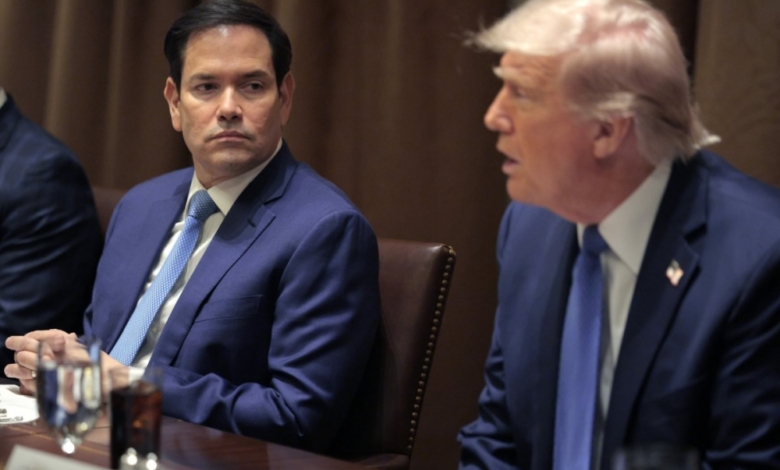
في خطوة قد تمثل اختبارًا مبكرًا للعلاقات الأمريكية الصينية في حال عودة دونالد ترامب إلى البيت الأبيض، من المتوقع أن يرافق السيناتور ماركو روبيو، المرشح الأبرز لمنصب وزير الخارجية، الرئيس ترامب في زيارة رسمية إلى بكين. تأتي هذه الزيارة المحتملة في ظل مفارقة دبلوماسية لافتة، حيث يخضع روبيو نفسه لعقوبات فرضتها عليه الحكومة الصينية، مما يمنعه نظريًا من دخول أراضيها.
الحل الذي يبدو أن بكين قد وجدته لهذه المعضلة الدبلوماسية يتمثل في حيلة لغوية ذكية. فقبل تولي روبيو منصبه رسميًا في يناير 2025، بدأت وسائل الإعلام الحكومية الصينية والجهات الرسمية باستخدام تهجئة مختلفة لاسمه باللغة الصينية. عبر تغيير الحرف الصيني المستخدم للمقطع الأول من اسمه “رو”، يمكن للصين أن تدّعي من الناحية الفنية أن “وزير الخارجية روبيو” هو شخص مختلف عن “السيناتور روبيو” الخاضع للعقوبات، مما يسمح بالزيارة دون الحاجة إلى التراجع رسميًا عن العقوبات المفروضة.
خلفية التوتر: لماذا فرضت الصين عقوبات على روبيو؟
يُعد ماركو روبيو، السيناتور الجمهوري عن ولاية فلوريدا، واحدًا من أبرز وأشد منتقدي الحزب الشيوعي الصيني في واشنطن. على مدى سنوات، قاد روبيو جهودًا تشريعية وسياسية لمواجهة ما يصفه بـ “الانتهاكات الجسيمة لحقوق الإنسان” التي ترتكبها بكين. كان له دور محوري في تمرير تشريعات تفرض عقوبات على المسؤولين الصينيين المتورطين في قمع أقلية الأويغور المسلمة في إقليم شينجيانغ، وهي الممارسات التي وصفتها الولايات المتحدة بأنها “إبادة جماعية”.
بالإضافة إلى ذلك، كان روبيو صوتًا قويًا في انتقاد الحملة القمعية التي شنتها بكين على الحريات الديمقراطية في هونغ كونغ. نتيجة لمواقفه الحادة ودعمه للتشريعات المناهضة للصين، ردت بكين في عام 2020 بفرض عقوبات انتقامية عليه وعلى عدد من المشرعين والمسؤولين الأمريكيين الآخرين، شملت حظر السفر وتجميد أي أصول محتملة لهم داخل الصين.
أهمية الزيارة وتأثيرها المتوقع
تكتسب هذه الزيارة، إن تمت، أهمية استثنائية على الصعيدين الإقليمي والدولي. فهي ستكون أول زيارة لرئيس أمريكي إلى بكين منذ ما يقرب من عقد من الزمان، وتأتي في وقت تتسم فيه العلاقات بين القوتين العظميين بالتوتر الشديد والمنافسة الاستراتيجية في كافة المجالات، من التجارة والتكنولوجيا إلى النفوذ الجيوسياسي.
على المستوى الدولي، ستراقب العواصم العالمية هذه الزيارة عن كثب لفهم ملامح السياسة الخارجية لإدارة ترامب الثانية تجاه الصين. هل ستكون استمرارًا لنهج المواجهة الذي ميز فترته الأولى، أم ستميل نحو نهج أكثر براغماتية يسعى لعقد صفقات؟ وجود شخصية متشددة مثل روبيو في منصب وزير الخارجية يضيف طبقة من التعقيد، حيث يُنظر إليه على أنه سيضغط من أجل سياسة أكثر صرامة فيما يتعلق بحقوق الإنسان والمنافسة العسكرية. إن الطريقة التي ستتعامل بها بكين وواشنطن مع هذه الزيارة ستحدد مسار العلاقة الأكثر أهمية في العالم للسنوات القادمة.