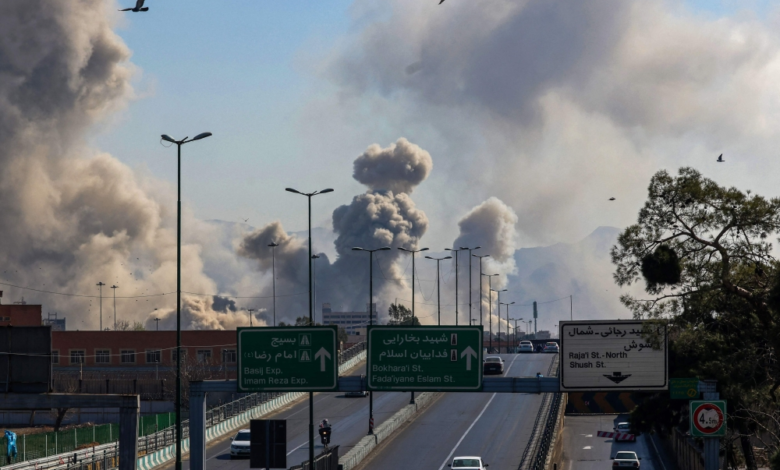

A shocking comparison between military spending and humanitarian needs
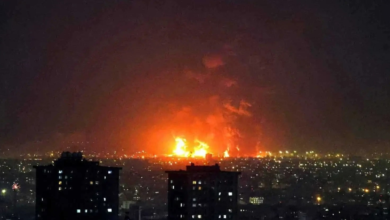
In a statement highlighting the stark disparity in global spending priorities, a senior UN official asserted that the funds the Pentagon has spent on military operations in the Middle East could have covered the organization's entire need to provide life-saving assistance to more than 87 million people worldwide. This statement comes at a time of escalating geopolitical tensions in the region, bringing the costs of potential conflict into direct confrontation with worsening humanitarian crises.
According to Tom Fletcher, the UN Under-Secretary-General for Humanitarian Affairs, the US Department of Defense spent nearly $25 billion on its operations in the Middle East. In contrast, the UN Office for the Coordination of Humanitarian Affairs (OCHA) launched an appeal for $23 billion to fund its operations in 2026. “I know what we can do with $25 billion,” Fletcher told AFP, noting that the amount OCHA is requesting represents “less than one percent of what the world spends on weapons and defense.”.
Historical context and implications of potential conflict
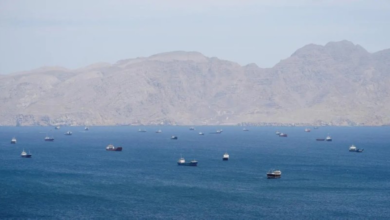
These warnings come against a backdrop of historical tensions in the Middle East, a vital artery for the global economy. Any military confrontation, especially one involving Iran, carries the risk of closing the Strait of Hormuz, the strategic waterway through which a significant portion of the world's oil passes. Such a scenario would not only destabilize the region but would also have repercussions across the globe.
Fletcher explained that a war and the resulting closure of the Strait of Hormuz could raise global fuel and food prices by up to 20%. This increase isn't just a figure in economic reports; it means exacerbating the suffering of millions. He cited Somalia as an example, saying, "This makes our work harder, but it also pushes more people into hunger." He added that the number of hungry people in Somalia has already doubled compared to six months ago, and any further price increases would be catastrophic.
A global funding crisis and difficult prioritization
Globally, humanitarian work is facing a growing funding gap. Fletcher noted that more than 300 million people worldwide are in dire need of support, but budget cuts by major donor countries, including the United States, have forced the UN to make the painful decision to prioritize the most critical cases, affecting 87 million people. This “cruel prioritization” means that millions more are left to fend for themselves without assistance. Fletcher warned that without sufficient funding, “hundreds of millions of lives will be lost over the years,” emphasizing that the cost of inaction far outweighs the cost of investing in humanitarian work.