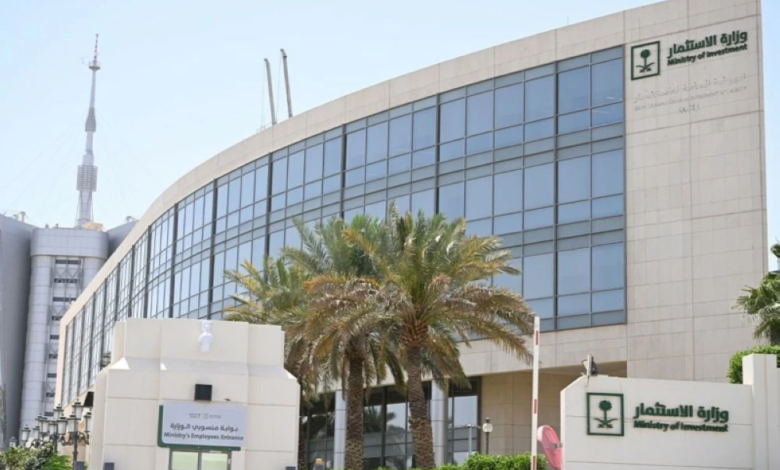

Saudi Arabia has achieved a new economic milestone reflecting the strength of its investment environment. Recent official data reveals that the Ministry of Investment issued approximately 6,986 investment licenses during the third quarter of 2025. This figure represents a significant leap of about 83% compared to the same period in 2024, strongly indicating the accelerating flow of foreign and domestic capital into the Saudi market.
The data clarified that these figures exclude licenses issued under the campaign against commercial concealment violations, confirming that this growth is genuine organic growth reflecting investors' desire to enter the market. On a quarterly basis, the number of investment licenses issued increased by approximately 69% compared to the second quarter of the same year, which recorded around 4,125 licenses, according to Ministry of Investment statistics.
Exceptional performance that extends far beyond 2024
In a clear indication of this growing momentum, the total number of new investment licenses issued by the Ministry during the first nine months of 2025 reached approximately 15,730. This figure not only exceeded interim projections but also surpassed the total number of licenses issued in the entire year of 2024, which stood at 14,320, suggesting an exceptional year for the Saudi economy.
Economic context and Vision 2030
These figures cannot be viewed in isolation from the broader context of Saudi Vision 2030 and the National Investment Strategy launched by Crown Prince Mohammed bin Salman. This strategy aims to empower investors and develop investment opportunities. Over the past few years, the Kingdom has implemented extensive legislative and regulatory reforms, including streamlining business start-up procedures, allowing full foreign ownership in most sectors, and establishing special economic zones.
Enhancing the Kingdom's competitive position
The Ministry of Investment indicated that this record increase reflects the Kingdom's position as an attractive global investment destination, boasting strong competitive advantages in its stable and business-friendly investment environment. This growth coincides with broad economic activity in vital non-oil sectors such as tourism, entertainment, technology, and industry, bolstering efforts to diversify national income sources, reduce reliance on oil, and directly contribute to creating thousands of job opportunities and supporting local content.