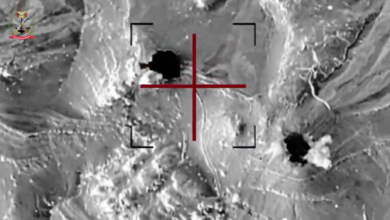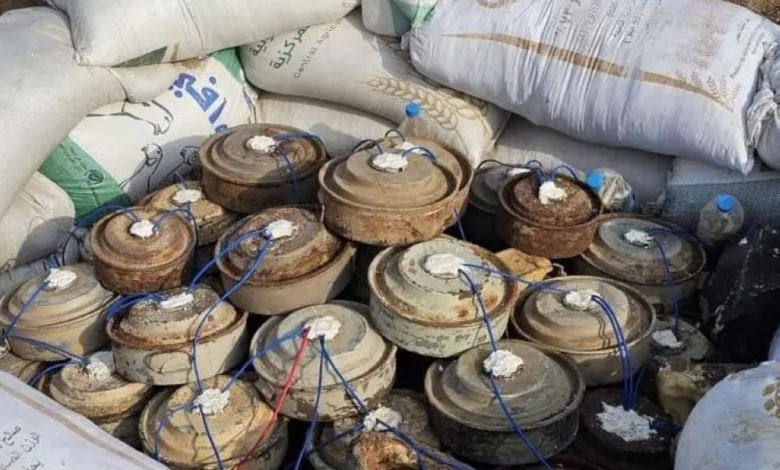

يواصل مشروع مسام التابع لمركز الملك سلمان للإغاثة والأعمال الإنسانية جهوده الحثيثة في تطهير الأراضي اليمنية من خطر الألغام والعبوات الناسفة التي تهدد حياة المدنيين. وفي إنجاز إنساني جديد، تمكن المشروع خلال الأسبوع الثاني من شهر مايو من انتزاع 2,285 لغماً وذخيرة غير منفجرة في مختلف المحافظات اليمنية، ليرتفع بذلك إجمالي ما تم نزعه منذ انطلاق المشروع إلى أكثر من 561,140 لغماً.
السياق التاريخي لأزمة الألغام في اليمن
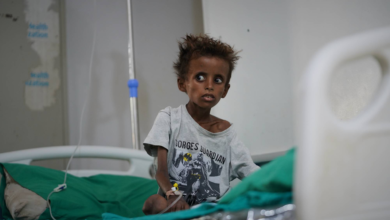
تعود جذور أزمة الألغام في اليمن إلى تصاعد النزاع المسلح منذ أواخر عام 2014، حيث شهدت البلاد زراعة عشوائية ومكثفة لمئات الآلاف من الألغام الأرضية والعبوات الناسفة في القرى، والمزارع، والطرقات، والمدارس. وتُعد اليمن حالياً واحدة من أكثر دول العالم تلوثاً بالألغام منذ الحرب العالمية الثانية. هذه الممارسات التي تنتهك القوانين والأعراف الدولية، ولا سيما معاهدة أوتاوا لحظر الألغام المضادة للأفراد، أدت إلى سقوط آلاف الضحايا من الأبرياء، معظمهم من النساء والأطفال وكبار السن، وتسببت في إعاقة وصول المساعدات الإنسانية وعودة النازحين إلى ديارهم.
تفاصيل عمليات نزع الألغام الأخيرة
بحسب التقرير الأخير، تنوعت الألغام والذخائر التي تم نزعها خلال أسبوع واحد لتشمل 172 لغماً مضاداً للدبابات، و145 لغماً مضاداً للأفراد، بالإضافة إلى 1,964 ذخيرة غير منفجرة، و4 عبوات ناسفة. وقد شملت العمليات الميدانية عدة محافظات يمنية حيوية، حيث توزعت الإنجازات على النحو التالي:
- محافظة عدن: تمكن فريق “مسام” من نزع 608 ذخائر غير منفجرة.
- محافظة حضرموت: في مديرية المكلا، تم نزع 139 لغماً مضاداً للأفراد، و7 ألغام مضادة للدبابات، و1,159 ذخيرة غير منفجرة.
- محافظة حجة: شهدت مديرية ميدي نزع لغمين مضادين للأفراد، و161 لغماً مضاداً للدبابات، و154 ذخيرة غير منفجرة.
- محافظة تعز: تنوعت العمليات في مديريات ذباب، والقاهرة، وصلح، وأسفرت عن نزع 3 ألغام مضادة للأفراد، ولغمين مضادين للدبابات، و41 ذخيرة غير منفجرة.
- محافظات الحديدة، الضالع، وشبوة: شملت العمليات نزع ألغام مضادة للأفراد والدبابات وذخائر غير منفجرة في مديريات حيس، الخوخة، قعطبة، وعسيلان التي شهدت نزع 4 عبوات ناسفة مبتكرة.
الأهمية الاستراتيجية والإنسانية لمشروع مسام
لا تقتصر أهمية مشروع مسام على لغة الأرقام فحسب، بل تمتد لتشمل تأثيراً عميقاً على المستويات المحلية والإقليمية والدولية. فعلى الصعيد المحلي، يساهم تطهير الأراضي في إنقاذ أرواح المدنيين، واستعادة سبل العيش من خلال إعادة فتح الأراضي الزراعية، وتأمين الطرقات لضمان وصول المساعدات الإغاثية وعودة النازحين بأمان.
أما على الصعيدين الإقليمي والدولي، فإن تأمين المحافظات الساحلية مثل الحديدة وحجة يساهم بشكل مباشر في تعزيز أمن الملاحة البحرية في البحر الأحمر، ويقلل من المخاطر التي تهدد التجارة العالمية. كما يعكس هذا المشروع التزام المملكة العربية السعودية، عبر ذراعها الإنساني مركز الملك سلمان للإغاثة، بدعم استقرار اليمن وتمكين شعبه من العيش في بيئة آمنة وكريمة خالية من الموت الخفي.
وبذلك، يرتفع عدد الألغام المنزوعة منذ بداية شهر مايو إلى 3,124 لغماً، ليواصل المشروع مسيرته الإنسانية النبيلة في التصدي لواحدة من أسوأ الكوارث الإنسانية التي صنعها الإنسان في العصر الحديث.