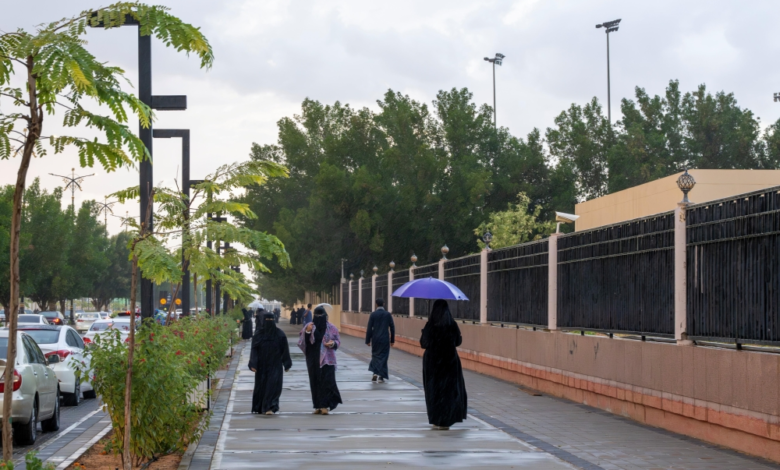

ميسان تتصدر المشهد في الحالة المطرية
سجلت محافظة ميسان التابعة لمنطقة مكة المكرمة أعلى كمية هطول للأمطار على مستوى مناطق المملكة العربية السعودية، حيث بلغت 54.8 ملم في مركز بني سعد. جاء ذلك خلال فترة الرصد الممتدة من الساعة التاسعة من صباح يوم الخميس وحتى الساعة التاسعة من صباح يوم الجمعة. وقد تم توثيق هذه الأرقام الدقيقة من خلال 268 محطة رصد هيدرولوجي ومناخي موزعة بعناية على مختلف مناطق المملكة، وذلك ضمن الجهود اليومية التي تنفذها وزارة البيئة والمياه والزراعة بالتكامل والتنسيق المستمر مع المركز الوطني للأرصاد لمتابعة الحالة المطرية وتوثيق كميات الهطول بدقة عالية.
توزيع كميات الأمطار على مناطق المملكة
أظهرت البيانات اليومية تفاوتاً ملحوظاً في كميات الأمطار، حيث حلت منطقة الباحة في المرتبة الثانية بتسجيل 35.2 ملم في مركز برحرح بمحافظة المندق. تلتها منطقة عسير بتسجيل 35.0 ملم في الفوهة بمحافظة بلقرن. وفي المنطقة الشرقية، سجلت محافظة الخفجي أعلى كمية هطول بواقع 32.9 ملم.
وامتدت الخيرات لتشمل مناطق أخرى، حيث سجلت محافظة المذنب في منطقة القصيم 25.5 ملم، بينما بلغت أعلى كمية في منطقة الرياض 23.5 ملم بمحافظة شقراء. وفي منطقة المدينة المنورة، سجل وادي الفرع 10.8 ملم، مما يعكس اتساع نطاق الحالة المطرية وتأثيرها الإيجابي على مساحات شاسعة من البلاد.
أما في القطاع الشمالي، فقد سجلت منطقة تبوك 7.8 ملم في رحيب، وسجل مطار عرعر في منطقة الحدود الشمالية 5.5 ملم، في حين بلغت الأمطار في ميقوع بمحافظة طبرجل في منطقة الجوف 4.6 ملم. كما سجلت منطقة حائل 2.4 ملم في الشملي، ومنطقة نجران 0.9 ملم في بدر الجنوب، مما يبرز التفاوت المكاني الدقيق الذي ترصده المحطات المناخية.
السياق المناخي والتاريخي للأمطار في السعودية
تاريخياً، تُعرف المملكة العربية السعودية بمناخها الصحراوي الجاف في معظم مناطقها، إلا أن المرتفعات الغربية والجنوبية الغربية، مثل مكة المكرمة والباحة وعسير، تحظى بمعدلات هطول مطري أعلى بفضل التضاريس الجبلية المتمثلة في سلسلة جبال السروات، وتأثيرات المنخفضات الجوية وحركة الرياح الموسمية. وفي السنوات الأخيرة، لوحظ تغير ملموس في الأنماط المناخية على مستوى شبه الجزيرة العربية، حيث باتت الحالات المطرية أكثر شمولية وغزارة، وهو ما يرجعه خبراء المناخ إلى التغيرات المناخية العالمية التي أثرت على مسارات السحب والمنخفضات الجوية في المنطقة.
الأهمية الاستراتيجية والتأثير المتوقع
تحمل هذه الحالات المطرية أهمية كبرى على عدة أصعدة. محلياً، تساهم هذه الأمطار الغزيرة في تغذية الخزانات الجوفية، ورفع منسوب المياه في السدود، مما يدعم القطاع الزراعي بشكل مباشر، خاصة في المناطق التي تعتمد على الزراعة المطرية والمدرجات الجبلية. كما تلعب دوراً حيوياً في تنشيط السياحة الداخلية، حيث تكتسي الأرض بالغطاء النباتي وتجري الأودية والشعاب، مما يجذب المتنزهين وعشاق الطبيعة.
إقليمياً وبيئياً، يتماشى هطول الأمطار المستمر مع مستهدفات مبادرة السعودية الخضراء، حيث يساهم في زيادة الرقعة الخضراء، مكافحة التصحر، وتحسين جودة الهواء. وتبرز أهمية منظومة الرصد الهيدرولوجي والمناخي التي تعمل على مدار الساعة في توفير بيانات ميدانية دقيقة تدعم اتخاذ القرار، وتعزز من كفاءة إدارة الموارد المائية، وترفع من جاهزية الجهات المعنية للتعامل مع أي طوارئ محتملة، مما يضمن الاستفادة القصوى من مياه الأمطار وتوجيهها لخدمة البيئة والمجتمع.