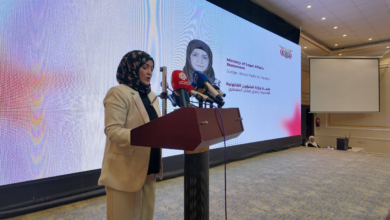

إعلان وزير الأوقاف اليمني عن نجاح عملية تسجيل الحجاج
في خطوة تعكس الالتزام بخدمة المواطنين وتسهيل أداء الشعائر الدينية، أعلن وزير الأوقاف اليمني عن استكمال عملية تسجيل 21 ألف حاج يمني لأداء مناسك الحج لهذا العام. وقد أكد الوزير في تصريحاته أن هذه العملية تمت بشفافية مطلقة، وبعيداً عن أي تسييس أو طائفية، مما يضمن حق جميع أبناء الشعب اليمني في أداء فريضة الحج دون تمييز أو إقصاء.
السياق العام والخلفية التاريخية لتنظيم الحج في اليمن
تأتي هذه التصريحات في ظل ظروف استثنائية ومعقدة يعيشها اليمن منذ اندلاع النزاع المسلح في عام 2014. لقد أثرت الحرب بشكل كبير على مختلف جوانب الحياة، بما في ذلك قدرة المواطنين على السفر وأداء الشعائر الدينية. في السنوات الماضية، واجه الحجاج اليمنيون تحديات لوجستية وأمنية هائلة، بدءاً من صعوبة استخراج جوازات السفر، مروراً بإغلاق المطارات والطرق الرئيسية، وصولاً إلى تعقيدات التنقل بين المحافظات للوصول إلى المنافذ البرية مع المملكة العربية السعودية.
رغم هذه التحديات، حرصت وزارة الأوقاف والإرشاد اليمنية، بالتعاون الوثيق مع وزارة الحج والعمرة في المملكة العربية السعودية، على تذليل العقبات وتخصيص حصص عادلة لليمنيين. إن التأكيد على إبعاد الحج عن التسييس والطائفية يمثل رسالة طمأنة هامة بأن الفريضة الدينية تظل بمنأى عن الصراعات السياسية التي تعصف بالبلاد.
أهمية الحدث وتأثيره المتوقع على المستوى المحلي والإقليمي
التأثير المحلي: تعزيز الوحدة الوطنية وتخفيف المعاناة
على المستوى المحلي، يحمل إعلان وزير الأوقاف اليمني أهمية بالغة. فهو يؤكد أن مؤسسات الدولة قادرة على إدارة ملفات وطنية كبرى بكفاءة وحيادية. إن تسجيل 21 ألف حاج من مختلف المحافظات اليمنية، بما فيها تلك التي تقع خارج سيطرة الحكومة الشرعية، يعزز من الشعور بالوحدة الوطنية ويؤكد أن الهوية الدينية والوطنية تجمع اليمنيين رغم الانقسامات. كما أن تسهيل إجراءات الحج يمثل بارقة أمل للمواطنين ويساهم في التخفيف من وطأة المعاناة النفسية والاجتماعية التي خلفتها سنوات الحرب الطويلة.
التأثير الإقليمي والدولي: نموذج للتعاون وتجاوز الأزمات
إقليمياً، يعكس هذا الإنجاز مستوى التنسيق العالي بين الحكومة اليمنية والسلطات السعودية لضمان سلامة وأمن الحجاج. إن نجاح تفويج هذا العدد الكبير من الحجاج في ظل ظروف حرب يتطلب جهوداً جبارة في مجالات النقل، الإسكان، والرعاية الصحية. دولياً، يُنظر إلى مثل هذه الخطوات كإجراءات بناء ثقة تساهم في استقرار المجتمع اليمني، وتؤكد على أهمية تحييد الملفات الإنسانية والدينية عن الصراعات العسكرية والسياسية.
الجهود اللوجستية والتقنية لضمان الشفافية
لضمان عدم تسييس عملية التسجيل، اعتمدت وزارة الأوقاف اليمنية على أنظمة إلكترونية حديثة تتيح للمواطنين التسجيل عبر وكالات معتمدة تخضع لرقابة صارمة. هذه الإجراءات التقنية تمنع أي تلاعب في الحصص أو تمييز بناءً على الانتماء السياسي أو الجغرافي. كما تم تشكيل لجان متخصصة لمتابعة سير عملية التسجيل والتفويج، وتقديم الدعم اللازم للحجاج منذ لحظة مغادرتهم الأراضي اليمنية وحتى عودتهم سالمين بعد أداء المناسك.
في الختام، يمثل إعلان وزير الأوقاف اليمني عن تسجيل 21 ألف حاج بعيداً عن التسييس والطائفية إنجازاً وطنياً وإنسانياً يستحق الإشادة، ويؤكد على أن إرادة الحياة وممارسة الشعائر الدينية تظل أقوى من كل التحديات والصعاب التي يواجهها اليمنيون.