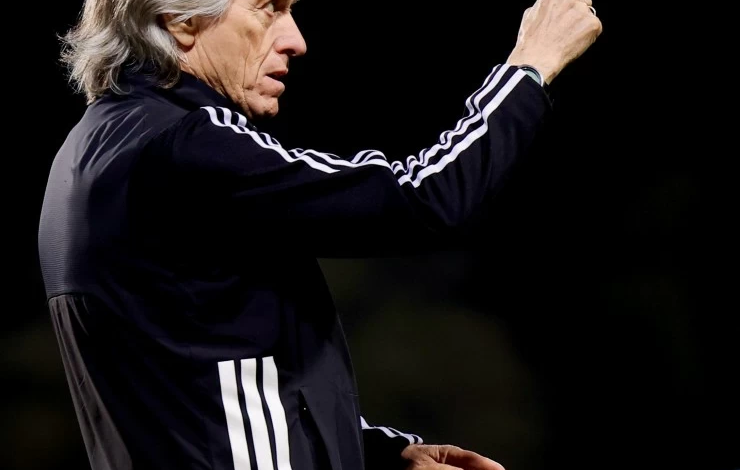

Veteran Portuguese coach Jorge Jesus continues to make history in Saudi football, leading his team Al-Nassr to remarkable record-breaking achievements this season. Jesus secured his 30th victory across all competitions, surpassing the record held by his Italian counterpart Stefano Pioli, whose tally stands at 28 wins with the club. This tactical and technical battle reflects the intensity of the competition and the team's improved performance.
The context of competition and the development of Saudi football:
These figures come at a time when Saudi football is witnessing an unprecedented surge in international recruitment, both for players and coaches. The numerical battle between different coaching schools, particularly the Portuguese school led by Jesus and the Italian school represented by Pioli, is part of the significant sporting movement the Kingdom is experiencing. This competition is not limited to accumulating points, but extends to demonstrating technical prowess and the ability to adapt to the pressure of consecutive matches in local and continental tournaments.
The significance of the number 30 and its tactical impact
: Jesus's achievement of 30 victories before the season's conclusion is a strong indicator of his excellent tactical work and the high level of harmony within the dressing room. This success reflects the Portuguese coach's ability to rotate players and get the best out of them, in addition to his exceptional reading of the game in crucial matches. The difference between Jesus's 30 wins and Pioli's 28, while seemingly small numerically, reveals subtle details about securing victories in the final moments and the ability to snatch all three points against direct rivals.
The expected impact, both locally and continentally, is
that this winning streak gives Al-Nassr a tremendous morale boost as they compete for all available titles. The technical stability imposed by Jesus strengthens the team's chances in the Roshan Professional League and the AFC Champions League. Furthermore, surpassing the records of a renowned coach like Pioli instills a winning mentality in the players, transforming the team into a formidable force feared by opponents, thus raising fan expectations for an exceptional season.
Looking ahead to the end of the season
, with several crucial matches remaining before the final whistle, Jorge Jesus has a golden opportunity not only to enhance this record but to widen the gap even further. This could make it a landmark achievement that will be difficult to surpass in Al-Nassr's coaching history. The coming days will reveal whether Jesus can maintain this upward trajectory and conclude the season with championship titles.