
مقدمة: نشاط بركاني مكثف في جاوة الشرقية
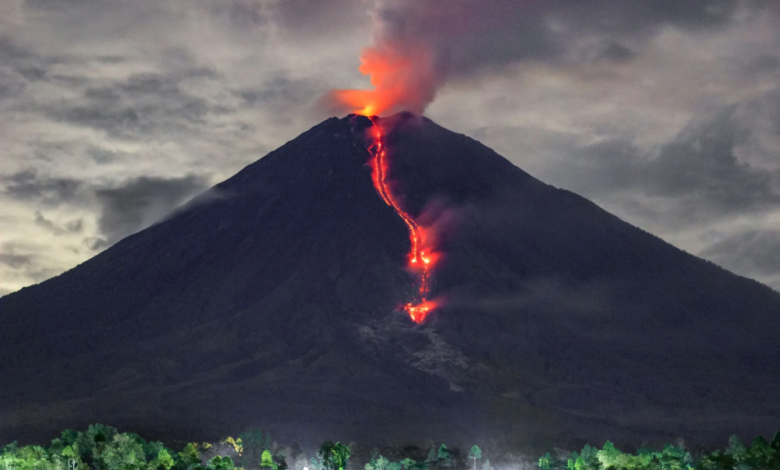
شهدت إندونيسيا تطوراً جيولوجياً بارزاً، حيث سجل بركان جبل سيميرو، الواقع في إقليم جاوة الشرقية، نشاطاً مكثفاً تمثل في ثورانه تسع مرات متتالية خلال يوم السبت. وقد أسفر هذا النشاط البركاني المتصاعد عن نفث أعمدة كثيفة من الرماد البركاني وصلت إلى ارتفاعات شاهقة بلغت ألف متر فوق قمة الجبل، مما أثار حالة من الاستنفار لدى السلطات المحلية والمواطنين على حد سواء.
تفاصيل ثوران بركان سيميرو والتحذيرات الرسمية
وفي تفاصيل الحدث، أوضحت وكالة الأنباء الإندونيسية الرسمية (أنتارا) أن الجهات المختصة قررت الإبقاء على حالة التحذير عند مستوياتها المرتفعة. وقد وجهت السلطات نداءات عاجلة وحثت السكان المحليين على ضرورة توخي أقصى درجات الحيطة والحذر، وتجنب الاقتراب من المناطق المصنفة كشديدة الخطورة في محيط البركان. ووفقاً للبيانات الصادرة عن مراصد الزلازل والبراكين، فقد سُجل أول ثوران للبركان، الذي يبلغ ارتفاعه الإجمالي 3676 متراً، في تمام الساعة 12:07 من صباح يوم السبت. وخلال هذا الثوران الأولي، نفث البركان عموداً من الرماد بارتفاع 700 متر، حيث دفعته الرياح باتجاه الجنوب.
من جانبه، صرح ليسوانتو، وهو مسؤول بارز في مركز مراقبة بركان سيميرو، بأن ذروة النشاط البركاني وأعلى ثوران تم تسجيله كان في تمام الساعة 05:19 صباحاً. في تلك اللحظة، تعاظم عمود الرماد ليصل إلى نحو 1000 متر فوق القمة الجبلية. وأضاف المسؤول أن الهزات الأرضية والزلازل البركانية المرتبطة بهذا الثوران لا تزال مستمرة وتهيمن بشكل واضح على النشاط العام للبركان، مما يتطلب مراقبة دقيقة على مدار الساعة.
السياق الجغرافي والتاريخي: لماذا تثور براكين إندونيسيا؟
لفهم السياق العام والخلفية التاريخية لهذا الحدث، يجب الإشارة إلى أن إندونيسيا تقع جغرافياً ضمن ما يُعرف بـ “حزام النار في المحيط الهادئ” (Ring of Fire). هذه المنطقة الجغرافية الشاسعة تتميز بنشاط زلزالي وبركاني هائل نتيجة اصطدام وتداخل الصفائح التكتونية. ويُعد جبل سيميرو، المعروف أيضاً باسم “ماهاميرو” أو الجبل العظيم، أعلى قمة في جزيرة جاوة وأحد أكثر البراكين نشاطاً في البلاد. تاريخياً، يمتلك سيميرو سجلاً حافلاً بالثورانات، لعل أبرزها وأكثرها مأساوية في الذاكرة القريبة هو ثوران شهر ديسمبر من عام 2021، والذي أسفر عن خسائر بشرية ومادية فادحة، ودفع الآلاف للنزوح من قراهم التي غمرتها طبقات الرماد والحمم الطينية الباردة.
التأثيرات المتوقعة للحدث محلياً وإقليمياً
أما من حيث أهمية الحدث وتأثيره المتوقع، فإن التداعيات تنقسم إلى عدة مستويات. على الصعيد المحلي، يشكل تساقط الرماد البركاني تهديداً مباشراً للصحة العامة، خاصة فيما يتعلق بأمراض الجهاز التنفسي، فضلاً عن تأثيره السلبي على المحاصيل الزراعية ومصادر المياه في القرى المحيطة. كما يفرض هذا النشاط ضغوطاً على فرق الإغاثة وإدارة الكوارث لتأمين طرق الإخلاء وملاجئ الطوارئ تحسباً لأي تصعيد.
وعلى الصعيدين الإقليمي والدولي، يحظى ثوران بركان بحجم سيميرو بمتابعة حثيثة من قبل مراكز استشارات الرماد البركاني (VAAC). فالأعمدة الرمادية التي تصل إلى ارتفاعات عالية قد تشكل خطراً جسيماً على سلامة الملاحة الجوية، حيث يمكن للرماد البركاني الدقيق أن يتسبب في تعطل محركات الطائرات، مما يجبر شركات الطيران أحياناً على تغيير مسارات رحلاتها فوق منطقة جنوب شرق آسيا، وهو ما يؤثر بدوره على حركة السفر والتجارة الدولية.
خاتمة
في الختام، يبقى بركان سيميرو تذكيراً قوياً بالقوة الهائلة للطبيعة. وتستمر السلطات الإندونيسية في جهودها الحثيثة لمراقبة التطورات الجيولوجية، مؤكدة على أهمية التزام السكان بالتعليمات الرسمية لضمان سلامتهم وتقليل الخسائر المحتملة إلى الحد الأدنى في ظل استمرار الزلازل البركانية.