
Introduction: Ramadan is a month of spiritual renewal and family strengthening
The holy month of Ramadan is one of the most significant months in the Islamic calendar, carrying profound historical and religious dimensions that extend far beyond mere abstinence from food and drink. Historically, Ramadan has been, and remains, a golden opportunity for renewing faith and strengthening community bonds throughout the Muslim world. In this context, the impact of Ramadan on the family stands out as one of the most important pillars of a cohesive society, embodying the highest ideals of solidarity, affection, and mutual support, serving as an annual school that reshapes human relationships.
Expert perspective: The three paths of Ramadan's impact
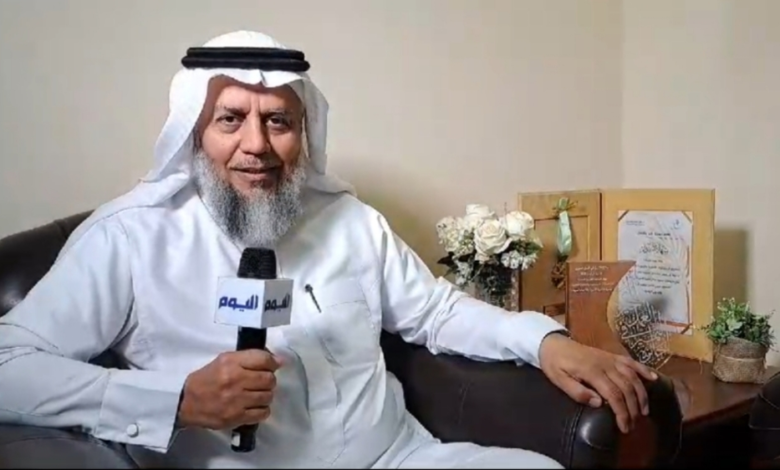
In statements highlighting this aspect, Dr. Khalid bin Saud Al-Hulaibi, Director General of the Family Development Association in Al-Ahsa Governorate, emphasized to Al-Youm newspaper the profound impact this holy month has on our lives and homes. Dr. Al-Hulaibi explained that Ramadan touches our hearts and souls, rebuilding us and our families through three main pathways: the spiritual, the social, and the emotional.
First: The spiritual path and faith-based rapprochement
Dr. Al-Hulaibi explained that through spirituality, families find themselves closer to one another and closer to God Almighty. This spirituality manifests itself in participating in daily acts of worship, such as going to the mosque together for prayers and returning home together. This atmosphere of faith captivates and elevates hearts. He suggested a practical idea: dedicating a daily Quran recitation session within the home, lasting between ten and twenty minutes, aimed at correcting recitation and reflecting on the meanings of God's Book. This strengthens religious values in children and creates a solid faith-based environment.
Second: The social path and family reunification
On a social level, Ramadan plays a pivotal role in restructuring family life. After families have been scattered throughout the year due to life's demands and varying work and study schedules, the Ramadan tradition brings them together around a single table. Al-Hulaibi described this wonderful scene of husbands, wives, and children gathering to await the Maghrib prayer call, breaking their fast and having their pre-dawn meal together. This tradition extends beyond the immediate family, encompassing extended family ties as relatives exchange visits and greetings, bringing joy to one another. The exchange of simple gifts is also encouraged, strengthening bonds of affection without extravagance.
Third: The emotional path and memory building
Dr. Al-Hulaibi concluded his remarks by focusing on the emotional aspect, which he described as the fruit of the previous two. He explained that this month provides an opportunity for family members to sit together and express feelings of love, forgiveness, compassion, and affection. This emotional closeness allows souls to find peace in one another. He emphasized the importance of expressing appreciation and mutual respect among family members. These sincere moments are what create beautiful and lasting Ramadan memories, memories that allow us to experience the spirituality and noble values of Ramadan throughout the year.
Expected impact on the local and regional community
The anticipated impact of these practices extends beyond the immediate family to encompass the entire community. When families embrace this spiritual and social approach, it positively impacts the stability of the local community and contributes to building a conscious and cohesive generation. At the regional and international levels, these customs reflect the positive image of Muslim societies that cherish their family values and consider Ramadan an annual opportunity for personal and social development, thus reinforcing the values of tolerance, peace, and coexistence.