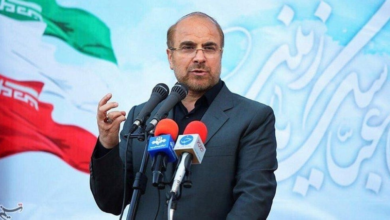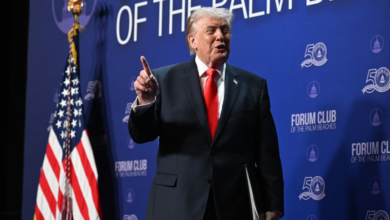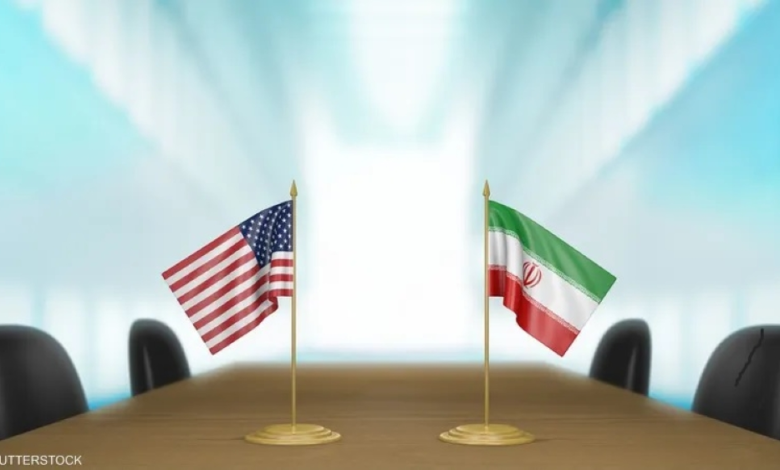

The Pakistani capital, Islamabad, is preparing to host a new and crucial round of talks between the United States and Iran, expected to begin Wednesday morning, amid significant international and regional anticipation. These negotiations come at a critical juncture, as both sides seek to bridge their deep differences, particularly regarding Iran's nuclear program and the US sanctions imposed on Tehran.
Historical background and context of negotiations
The roots of this tension can be traced back to 2018, when the previous US administration unilaterally withdrew from the Joint Comprehensive Plan of Action (JCPOA), also known as the Iran nuclear deal, which had been signed in 2015 between Iran and the P5+1 group of nations: the United States, Britain, France, Russia, China, and Germany. Following the withdrawal, Washington imposed a policy of “maximum pressure” by reimposing crippling economic sanctions on Tehran, aiming to force it to negotiate a new agreement with stricter terms. In response, Iran began gradually reducing its compliance with the agreement, increasing its uranium enrichment levels and expanding its nuclear activities, raising concerns among international powers and the International Atomic Energy Agency (IAEA).
Details of the current round and Pakistan's role
According to media reports cited by CNN, the talks come with a new Iranian proposal that may include a 10-year suspension of uranium enrichment, followed by a similar period of limited enrichment. Meanwhile, US assessments suggest a potential split within the Iranian negotiating team, which could complicate the negotiations. Pakistan is playing a pivotal role as mediator and host, with Pakistani sources confirming that all logistical arrangements are complete. Islamabad has also formally requested Washington and Tehran to extend the current ceasefire for an additional two weeks to allow more time for diplomacy to succeed, with the possibility that Prime Minister Shehbaz Sharif will announce the extension.
Importance and expected effects
This round of negotiations is of exceptional importance given its potential impact on the stability of the Middle East and the world. A successful outcome and a new understanding would ease regional tensions, reassure neighboring countries, and pave the way for Iran's reintegration into the international community. Internationally, reviving the agreement could lead to the return of Iranian oil to global markets, potentially contributing to energy price stability. Failure, however, carries the risk of a dangerous escalation, possibly even military confrontation, which all parties are keen to avoid. This attempt follows a first round in Islamabad that yielded no tangible results, placing additional pressure on negotiators to achieve a breakthrough this time.