
هولندا: نهاية عملية إجلاء معقدة لسفينة “هونديوس”
وصلت إلى هولندا في وقت متأخر من مساء الاثنين آخر طائرتين تقلان ركاباً وأفراد طاقم تم إجلاؤهم من على متن السفينة السياحية “هونديوس”، التي شهدت تفشياً لفيروس هانتا، لتُسدل الستار على عملية إنسانية ولوجستية معقدة. وهبطت الطائرتان في مدينة أيندهوفن الهولندية، حاملتين على متنهما 28 شخصاً، من بينهم ركاب وطاقم طبي بالإضافة إلى أفراد من طاقم السفينة، وفقاً لما أعلنته وزارة الخارجية الهولندية.
تفاصيل عملية الإجلاء وإجراءات الحجر الصحي
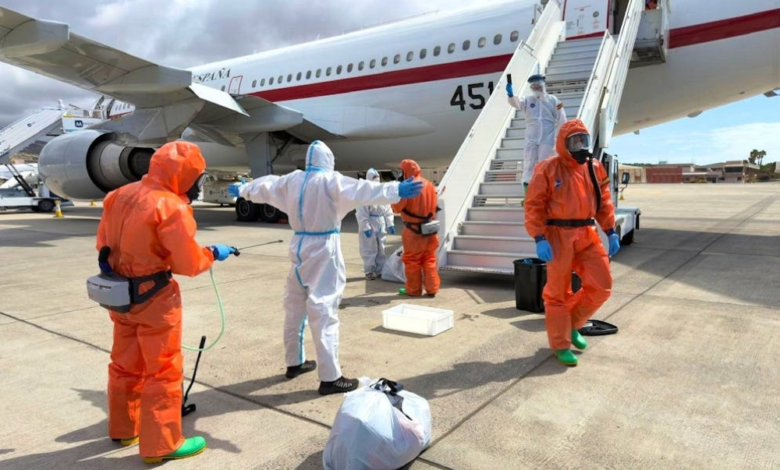
ضمت المجموعة التي تم إجلاؤها ركاباً من جنسيات مختلفة، من بينهم أربعة أستراليين، ونيوزيلندي، وشخص بريطاني مقيم في أستراليا. وفور وصولهم، تم نقل الركاب الستة إلى منشأة مخصصة للحجر الصحي بالقرب من المطار، حيث سيخضعون للمراقبة الطبية الدقيقة لمدة 14 يوماً قبل السماح لهم بالعودة إلى بلدانهم. وقد نزل الركاب من طائرة الإسعاف الجوي وهم يرتدون ملابس واقية بيضاء وأقنعة للوجه، في إجراء احترازي يبرز خطورة الموقف. أما الطائرة الثانية، فقد كانت تقل 19 من أفراد طاقم السفينة، وطبيبة بريطانية، وخبيرين في علم الأوبئة، أحدهما من منظمة الصحة العالمية والآخر من المركز الأوروبي للوقاية من الأمراض ومكافحتها.
السفن السياحية: بيئة خصبة لانتشار الأوبئة
يسلط هذا الحادث الضوء مجدداً على التحديات الصحية التي تواجهها السفن السياحية، والتي تعتبر بيئة مغلقة تساعد على سرعة انتشار الفيروسات والأمراض المعدية. فالتجمعات الكبيرة في أماكن محدودة مثل المطاعم والمسابح، بالإضافة إلى أنظمة التهوية المشتركة، تجعل من الصعب السيطرة على تفشي أي عدوى بمجرد ظهورها. وقد شهد العالم في السنوات الأخيرة حوادث مماثلة، أبرزها أزمات السفن السياحية في بداية جائحة فيروس كورونا، والتي تحولت إلى بؤر عالمية للمرض، مما استدعى عمليات إجلاء دولية واسعة النطاق وفرض بروتوكولات صحية صارمة على قطاع الرحلات البحرية بأكمله.
أهمية التعاون الدولي في مواجهة الأزمات الصحية
تُظهر عملية إجلاء ركاب “هونديوس” أهمية التنسيق والتعاون الدولي لمواجهة الأزمات الصحية العابرة للحدود. فقد تطلبت العملية جهوداً مشتركة بين شركة “أوشن وايد إكسبيديشنز” المشغلة للسفينة، والسلطات الهولندية، وحكومات الدول التي ينتمي إليها الركاب. كما لعب الخبراء الدوليون من منظمات الصحة العالمية دوراً حيوياً في تقييم الوضع على متن السفينة وتقديم المشورة لضمان إجلاء آمن يمنع انتشار الفيروس. وتمثل هذه الجهود نموذجاً للعمل الجماعي الضروري لإدارة الطوارئ الصحية العالمية وحماية الأرواح.
مصير السفينة والطاقم المتبقي
في غضون ذلك، تواصل سفينة “هونديوس” رحلتها من تينيريفي متجهة إلى ميناء روتردام في هولندا، حيث من المقرر أن ترسو للخضوع لعملية تطهير وتعقيم شاملة. وأفادت الشركة المشغلة بأن 25 من أفراد الطاقم واثنين من الطاقم الطبي لا يزالون على متنها لضمان تشغيلها الآمن خلال رحلتها الأخيرة. ومما يزيد من مأساوية الحادث، وجود جثة راكب ألماني توفي خلال الرحلة على متن السفينة، مما يضيف بعداً إنسانياً مؤلماً لهذه الأزمة الصحية.