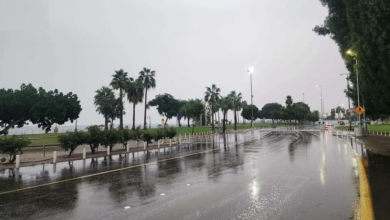

أصدر المركز الوطني للأرصاد في المملكة العربية السعودية تقريره اليومي عن حالة الطقس، متوقعًا استمرار التقلبات الجوية على معظم مناطق المملكة. وأشار التقرير إلى أن الفرصة لا تزال مهيأة لهطول أمطار رعدية متوسطة إلى غزيرة، قد تكون مصحوبة بزخات من البرد، على أجزاء من مرتفعات مناطق جازان، عسير، الباحة، ومكة المكرمة، تمتد لتشمل أجزاءً من منطقة المدينة المنورة. كما لا يُستبعد هطول أمطار خفيفة على أجزاء متفرقة من منطقتي القصيم والرياض.
السياق المناخي للتقلبات الجوية في المملكة
تأتي هذه التوقعات في سياق النمط المناخي المعتاد للمملكة العربية السعودية، والذي يتسم بالتباين الكبير بين مناطقها المختلفة. ففي حين تتمتع المناطق الجنوبية الغربية الجبلية، مثل عسير والباحة، بمناخ شبه جاف يستقبل أمطارًا موسمية خلال فصلي الربيع والصيف نتيجة لتأثرها بالرياح الموسمية الرطبة القادمة من بحر العرب والمحيط الهندي، تظل معظم المناطق الوسطى والشمالية ذات مناخ صحراوي جاف. الفترات الانتقالية بين الفصول غالبًا ما تشهد نشاطًا لمنخفضات جوية تؤدي إلى حالات من عدم الاستقرار الجوي، وهو ما يفسر تشكل السحب الرعدية وهطول الأمطار على مناطق واسعة، بالإضافة إلى نشاط الرياح السطحية.
تأثير الرياح النشطة والأتربة المثارة
إلى جانب الأمطار، حذر المركز من استمرار تأثير الرياح النشطة المثيرة للأتربة والغبار، والتي قد تحد من مدى الرؤية الأفقية. ومن المتوقع أن يشمل هذا التأثير أجزاءً من مناطق حائل، الجوف، الحدود الشمالية، والمنطقة الشرقية، بالإضافة إلى المناطق التي ستشهد هطول أمطار. وأصدر المركز تنبيهًا خاصًا لمحافظة حفر الباطن بالمنطقة الشرقية، حيث يُتوقع أن تبدأ موجة الأتربة المثارة من الساعة التاسعة صباحًا وتستمر حتى السابعة مساءً، مما يؤدي إلى تدني مدى الرؤية إلى ما بين 3 و 5 كيلومترات.
الأهمية والتأثيرات المتوقعة للظواهر الجوية
لهذه الظواهر الجوية تأثيرات متباينة؛ فالأمطار تعد مصدرًا حيويًا لتغذية مخزون المياه الجوفية والسدود ودعم الزراعة في المرتفعات الجنوبية الغربية. ولكن، قد يصاحب غزارتها خطر تشكل السيول في الأودية والشعاب، مما يستدعي أخذ الحيطة والحذر. على الصعيد الصحي، تشكل موجات الغبار والأتربة تحديًا للمصابين بأمراض الجهاز التنفسي والربو. كما تؤثر الرياح النشطة وتدني الرؤية بشكل مباشر على سلامة حركة النقل البري والجوي، مما يتطلب من السائقين والمسافرين متابعة التنبيهات الصادرة من الجهات المعنية كالدفاع المدني وإدارة المرور.
حالة البحر الأحمر
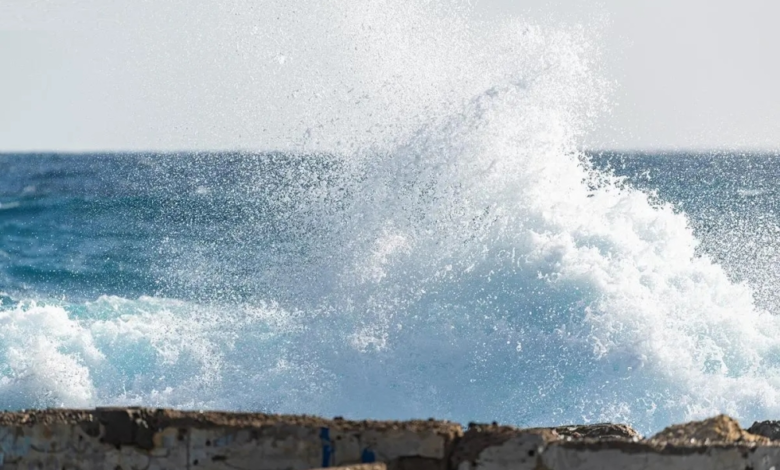
أوضح التقرير أن حركة الرياح السطحية على البحر الأحمر ستكون شمالية غربية إلى غربية بسرعة تتراوح بين 15 و 32 كم/ساعة على الجزأين الشمالي والأوسط، وقد تصل إلى 40 كم/ساعة باتجاه خليج العقبة. أما على الجزء الجنوبي، فستكون الرياح جنوبية غربية إلى شمالية غربية تتحول مساءً إلى شمالية وشمالية شرقية بسرعة 15-30 كم/ساعة. وسيكون ارتفاع الموج من نصف متر إلى متر ونصف، وحالة البحر خفيف إلى متوسط الموج.
حالة الخليج العربي
في الخليج العربي، ستكون حركة الرياح السطحية شمالية غربية إلى غربية خلال النهار، تتحول في المساء إلى شرقية وجنوبية شرقية بسرعة تتراوح بين 15 و 30 كم/ساعة. وسيكون ارتفاع الموج من نصف متر إلى متر، وحالة البحر خفيف الموج.