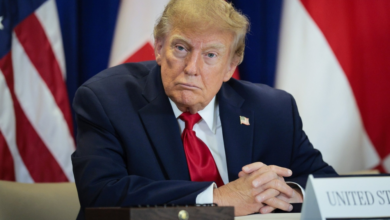

في تصعيد جديد للخطاب السياسي بين واشنطن وطهران، نقلت وكالة “سي إن إن” عن مسؤول أمريكي قوله إن صبر الرئيس السابق دونالد ترامب قد نفد تمامًا إزاء التهديدات الإيرانية المستمرة بإغلاق مضيق هرمز، وأنه يفكر جديًا في استئناف العمل العسكري ضد إيران في حال استمرار هذه الممارسات. يأتي هذا التحذير في سياق حملة ضغط قصوى تهدف إلى كبح نفوذ إيران الإقليمي وتقييد برامجها العسكرية.
خلفية الصراع وأهمية مضيق هرمز
تعود جذور التوتر الحالي إلى عقود من العلاقات المتأزمة بين الولايات المتحدة وإيران، والتي بلغت ذروتها مع انسحاب إدارة ترامب من الاتفاق النووي (خطة العمل الشاملة المشتركة) في عام 2018 وإعادة فرض عقوبات اقتصادية صارمة. ردًا على ذلك، لوحت إيران مرارًا بورقة مضيق هرمز، الممر المائي الاستراتيجي الذي يمر عبره ما يقرب من خُمس استهلاك النفط العالمي. يمثل المضيق شريان حياة للاقتصاد العالمي، وأي تعطيل للملاحة فيه قد يؤدي إلى ارتفاع هائل في أسعار الطاقة وإحداث اضطرابات كبرى في الأسواق المالية العالمية، مما يجعله نقطة اشتعال محتملة لأي صراع عسكري.
تأثيرات إقليمية ودولية محتملة
إن أي مواجهة عسكرية في منطقة الخليج لن تقتصر تداعياتها على الولايات المتحدة وإيران فحسب، بل ستمتد لتشمل المنطقة بأكملها والعالم. دول الخليج العربي، التي تعتمد بشكل كبير على استقرار الملاحة في المضيق لتصدير نفطها، ستكون في قلب العاصفة. كما أن حلفاء الولايات المتحدة في أوروبا وآسيا، الذين يعتمدون على إمدادات الطاقة من المنطقة، سيواجهون ضغوطًا اقتصادية وسياسية هائلة. من شأن هذا السيناريو أن يهدد استقرار منطقة الشرق الأوسط بأكملها، ويزيد من تعقيد الأزمات القائمة في اليمن وسوريا والعراق، حيث تلعب إيران ووكلائها دورًا محوريًا.
العقوبات الأمريكية كأداة ضغط
بالتوازي مع التهديدات العسكرية، تواصل الإدارة الأمريكية استخدام سلاح العقوبات الاقتصادية. وفي هذا الإطار، أعلنت وزارة الخارجية الأمريكية عن مكافأة مالية تصل إلى 15 مليون دولار مقابل أي معلومات تساعد في تعطيل الآليات المالية للحرس الثوري الإيراني. كما فرضت وزارة الخزانة عقوبات جديدة على شبكة واسعة تضم أفرادًا وشركات متورطة في بيع وشحن النفط الإيراني، خاصة إلى الصين، بهدف تجفيف مصادر التمويل التي يعتمد عليها النظام الإيراني لدعم أنشطته المزعزعة للاستقرار في المنطقة وتمويل وكلائه وبرامجه الصاروخية.
وأكدت الخارجية الأمريكية أن هذه الإجراءات تهدف إلى حرمان النظام من الإيرادات التي يستخدمها في تمويل الإرهاب ودعم الميليشيات المسلحة، مشددة على أن واشنطن ستواصل استهداف شبكات التمويل غير المشروعة وعزل إيران عن النظام المالي العالمي حتى تغير سلوكها.