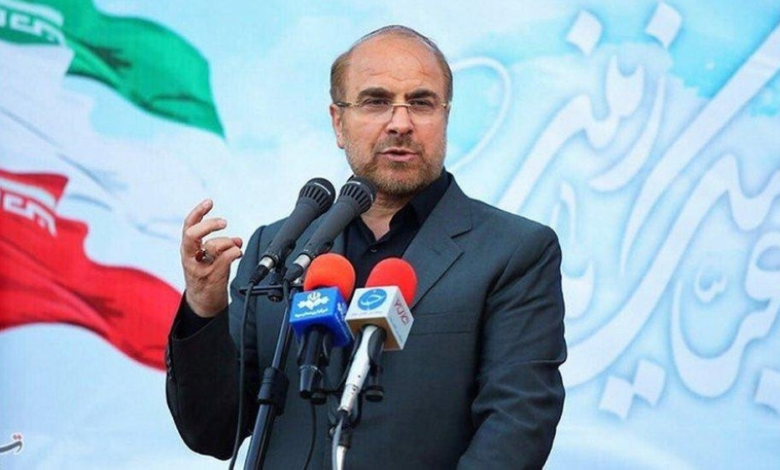

في تصعيد جديد للخطاب السياسي، وجه رئيس مجلس الشورى الإيراني، محمد باقر قاليباف، تحذيراً شديد اللهجة، مؤكداً أن بلاده على أهبة الاستعداد للرد بحزم و”تلقين درس” قاسٍ في مواجهة أي اعتداء قد تتعرض له. جاءت هذه التصريحات القوية في سياق توترات إقليمية ودولية متزايدة، لتعكس حالة التأهب العسكري والسياسي التي تعيشها طهران.
ونقلت وسائل إعلام عن قاليباف قوله إن “قواتنا المسلحة مستعدة للرد وتلقين درس في مواجهة أي اعتداء”. وأضاف في منشور على منصة “إكس” (تويتر سابقاً): “الاستراتيجية السيئة والقرارات السيئة تفضي دائماً إلى نتائج سيئة، والعالم كله أدرك ذلك. نحن مستعدون لكل احتمال، وسيفاجأون”. وتأتي هذه التصريحات لتعزز الموقف الإيراني الذي يركز على سياسة الردع وإظهار القوة في وجه الضغوط الخارجية.
السياق العام والخلفية التاريخية للتوتر
لا يمكن فهم هذه التصريحات بمعزل عن السياق التاريخي الطويل من التوتر بين إيران والولايات المتحدة وحلفائها في المنطقة، والذي يعود إلى عقود مضت، وتحديداً منذ الثورة الإيرانية عام 1979. وقد شهدت هذه العلاقة محطات حرجة، أبرزها الأزمة المتعلقة بالبرنامج النووي الإيراني، والتي أدت إلى فرض عقوبات اقتصادية قاسية على طهران.
ورغم التوصل إلى الاتفاق النووي (خطة العمل الشاملة المشتركة) في عام 2015، إلا أن انسحاب الولايات المتحدة منه في عام 2018 في عهد الرئيس السابق دونالد ترامب، وإعادة فرض العقوبات ضمن سياسة “الضغط الأقصى”، أعاد التوترات إلى ذروتها. ومنذ ذلك الحين، شهدت المنطقة سلسلة من الحوادث الأمنية، بما في ذلك هجمات على ناقلات نفط ومنشآت حيوية، واغتيال شخصيات إيرانية بارزة، مما أبقى المنطقة على حافة مواجهة أوسع.
أهمية الحدث وتأثيره المتوقع
تحمل تصريحات شخصية بحجم قاليباف، الذي يعد أحد أبرز صقور التيار المحافظ في إيران، دلالات مهمة على الصعيدين المحلي والإقليمي. داخلياً، تهدف هذه الرسائل إلى حشد الدعم الشعبي خلف القيادة وإظهار التماسك في وجه التحديات الخارجية. أما إقليمياً، فهي رسالة ردع موجهة إلى الخصوم، وفي مقدمتهم إسرائيل والولايات المتحدة، مفادها أن أي عمل عسكري ضد إيران سيواجه بعواقب وخيمة.
وعلى الصعيد الدولي، تثير مثل هذه التهديدات المتبادلة قلق القوى العالمية التي تسعى للحفاظ على استقرار إمدادات الطاقة العالمية، حيث يمر جزء كبير من نفط العالم عبر مضيق هرمز الاستراتيجي الذي تطل عليه إيران. أي تصعيد عسكري في المنطقة من شأنه أن يؤدي إلى ارتفاع هائل في أسعار النفط ويزعزع استقرار الاقتصاد العالمي، وهو ما يفسر المساعي الدبلوماسية المستمرة من قبل أطراف دولية لاحتواء الموقف ومنع انزلاقه إلى حرب شاملة.
مواقف متباينة حول التهدئة
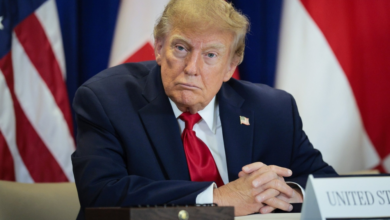
جاءت تصريحات قاليباف رداً على ما وصفه بضعف المواقف المقابلة، حيث أشارت تقارير سابقة إلى أن الرئيس الأمريكي السابق دونالد ترامب اعتبر أن أي اتفاق لوقف إطلاق النار “ضعيف للغاية” و”في غرفة الإنعاش”. وفي المقابل، تؤكد طهران على لسان مسؤوليها، ومنهم المتحدث باسم وزارة الخارجية، أنها لا تسعى لتقديم تنازلات، بل تطالب بما تعتبره “الحقوق المشروعة” للشعب الإيراني، رافضةً أي مقترحات لا تضمن تحقيق هذه الحقوق بشكل كامل.