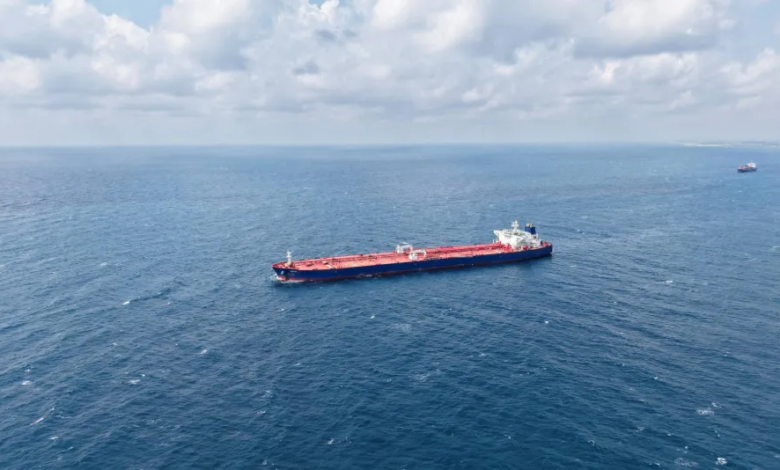

في تطور يثير القلق في أحد أهم الممرات الملاحية في العالم، أعلنت مصادر أمنية بحرية عن اختطاف ناقلة نفط مرتبطة بشركة إسرائيلية قبالة سواحل عدن في اليمن. وقد تم اقتياد السفينة، التي تحمل اسم “سنترال بارك”، من قبل مسلحين مجهولين باتجاه السواحل الصومالية، مما يعيد إلى الأذهان حقبة القرصنة التي هددت التجارة العالمية في العقد الماضي.
الحادثة وقعت في خليج عدن، وهي منطقة حيوية تربط بين البحر الأحمر والمحيط الهندي عبر مضيق باب المندب. وأفادت التقارير الأولية أن الناقلة، التي كانت تحمل شحنة كاملة من حمض الفوسفوريك، أرسلت نداء استغاثة يفيد بتعرضها لهجوم من قبل قراصنة. استجابت للنداء قوات بحرية دولية متواجدة في المنطقة، بما في ذلك المدمرة الأمريكية “يو إس إس ماسون”، التي تمكنت لاحقاً من تحرير السفينة والقبض على المهاجمين.
سياق تاريخي: عودة شبح القرصنة الصومالية؟
تأتي هذه الحادثة في ظل تراجع كبير لنشاط القرصنة الصومالية الذي بلغ ذروته بين عامي 2008 و 2012، حيث كانت السفن التجارية تتعرض للاختطاف بشكل شبه يومي للمطالبة بفديات ضخمة. وقد أدى تضافر الجهود الدولية، عبر عمليات عسكرية مثل “أتالانتا” التابعة للاتحاد الأوروبي وقوات المهام المشتركة (CTF 151)، إلى جانب تعزيز الإجراءات الأمنية على متن السفن، إلى القضاء شبه التام على هذه الظاهرة. يثير هذا الهجوم الجديد تساؤلات حول ما إذا كانت الظروف التي أدت إلى ظهور القرصنة، مثل عدم الاستقرار السياسي والفقر في الصومال، قد عادت لتوفر بيئة خصبة لنشاط المجموعات المسلحة.
الأهمية والتأثير المتوقع: تقاطع الأزمات
يكتسب هذا الاختطاف أهمية مضاعفة لأنه يأتي في سياق جيوسياسي متوتر للغاية في المنطقة. فمنذ بدء الصراع في غزة، أعلنت جماعة الحوثي في اليمن استهدافها للسفن المرتبطة بإسرائيل في البحر الأحمر، وقد قامت بالفعل باحتجاز سفينة الشحن “جالاكسي ليدر”. هذا الوضع يخلق حالة من الالتباس حول هوية المهاجمين ودوافعهم؛ هل هم قراصنة صوماليون يستغلون انشغال القوات البحرية الدولية بالتهديدات الحوثية، أم أن هناك أبعاداً سياسية أخرى للهجوم؟
على الصعيد الدولي، يؤدي هذا التصعيد إلى زيادة المخاطر التي تواجه حركة الشحن العالمية. يمر عبر مضيق باب المندب ما يقرب من 12% من حجم التجارة العالمية، بما في ذلك كميات هائلة من النفط والغاز. أي اضطراب في هذا الممر الحيوي سيؤدي حتماً إلى ارتفاع تكاليف التأمين على السفن، وقد يدفع بعض الشركات إلى تغيير مسار سفنها عبر طريق رأس الرجاء الصالح الأطول والأكثر تكلفة، مما سيؤثر سلباً على سلاسل الإمداد العالمية ويزيد من الضغوط التضخمية على الاقتصاد العالمي.