Death of a second French soldier in Lebanon and the repercussions of targeting UNIFIL

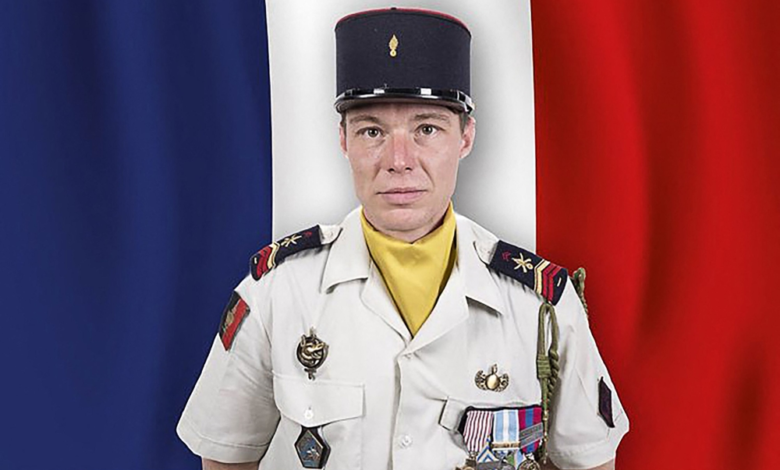
French President Emmanuel Macron announced on Wednesday the death of a second French soldier serving with the United Nations Interim Force in Lebanon (UNIFIL), who succumbed to serious injuries sustained in an attack on their patrol in southern Lebanon. According to a statement from the French presidency, the soldier, Anicet Girardin, who was transferred to France on Monday for treatment, died Wednesday morning, bringing the total number of French soldiers killed in the attack to two.
This tragic incident underscores the precarious security situation in southern Lebanon, an area where UNIFIL forces have been operating for decades to maintain stability and prevent a resurgence of conflict. The attack, attributed to Hezbollah, has drawn widespread international condemnation, with UN Secretary-General António Guterres emphasizing that targeting peacekeepers is a crime under international law and calling on Lebanese authorities to conduct a thorough and swift investigation to bring the perpetrators to justice.
Historical context and UNIFIL's role
UNIFIL was established in 1978 by Security Council Resolutions 425 and 426, following the Israeli invasion of southern Lebanon. Its primary mission at that time was to confirm the Israeli withdrawal, restore international peace and security, and assist the Lebanese government in restoring its effective authority in the area. After the July 2006 war, UNIFIL's role was significantly strengthened by Security Council Resolution 1701, expanding its mandate to include monitoring the cessation of hostilities along the Blue Line, supporting the deployment of the Lebanese Armed Forces in the south, and preventing the smuggling of illicit weapons into the area.
The importance of the incident and its expected impact
This attack represents a dangerous escalation and raises serious concerns on several levels:
- At the local level, the incident increases pressure on the Lebanese government to guarantee the safety and security of international peacekeeping forces operating on its territory. It also highlights the challenges to state sovereignty in areas under the influence of armed groups and could affect the relationship between the residents of southern Lebanon and UNIFIL, which plays a vital role in the region's stability.
- At the regional level, the incident highlights the fragility of stability on the Lebanese-Israeli border, one of the most sensitive fronts in the Middle East. Any escalation in this area could draw the parties into a wider confrontation, threatening the security of the entire region.
- At the international level, the attack on UN peacekeepers constitutes a flagrant violation of international law. This incident may prompt troop-contributing countries to UNIFIL, particularly France, to reassess their rules of engagement and the level of risk to which their forces are exposed, and it will increase diplomatic pressure on Lebanon to fulfill its international obligations.
In conclusion, the death of the second French soldier is not only a loss for France and the United Nations, but also a painful reminder of the risks faced by peacekeepers in their efforts to achieve stability in conflict zones, and the need to hold those responsible for these attacks accountable to ensure they do not happen again.