
بوتين في بكين: قمة استراتيجية في توقيت حساس
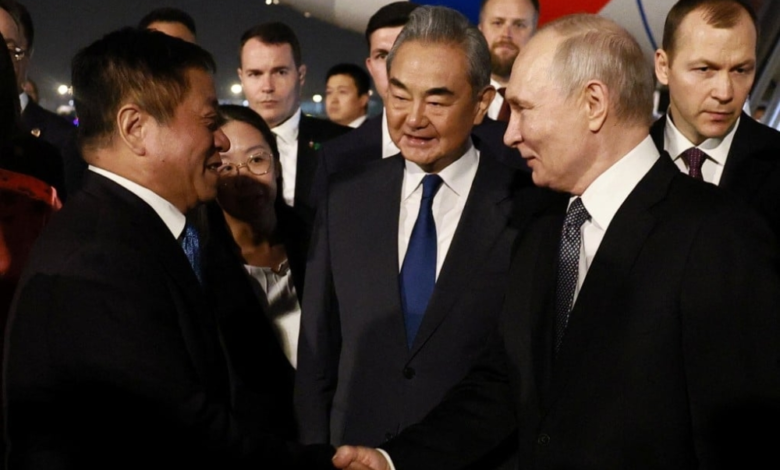
وصل الرئيس الروسي فلاديمير بوتين إلى العاصمة الصينية بكين يوم الثلاثاء، في زيارة رسمية تهدف إلى إجراء مباحثات معمقة مع نظيره الصيني شي جين بينغ. وتأتي هذه الخطوة الدبلوماسية بعد أيام قليلة من زيارة أجراها الرئيس الأمريكي دونالد ترامب إلى بكين، مما يضفي أبعاداً جيوسياسية بالغة الأهمية على هذا اللقاء. وقد بثت قناة سي سي تي في التليفزيونية الصينية الرسمية مشاهد حية لهبوط طائرة الرئيس الروسي في مطار بكين الدولي، إيذاناً ببدء جولة جديدة من المحادثات التي تهدف إلى إبراز متانة العلاقات الثنائية بين البلدين.
ووفقاً لبيان رسمي صادر عن الكرملين، من المقرر أن يبحث بوتين مع نظيره الصيني سبل تعزيز الشراكة الشاملة والتعاون الاستراتيجي بين روسيا والصين، ومناقشة عدد من الملفات الدولية والإقليمية ذات الاهتمام المشترك، في وقت تسعى فيه موسكو لكسر طوق العزلة الغربية.
الخلفية التاريخية: 30 عاماً من الشراكة الاستراتيجية
تستند العلاقات الروسية الصينية إلى إرث تاريخي طويل، حيث تبادل الزعيمان يوم الأحد رسائل التهنئة بمناسبة مرور 30 عاماً على تأسيس الشراكة الاستراتيجية بين بلديهما. وفي هذا السياق، أشاد المتحدث باسم وزارة الخارجية الصينية بالصداقة الراسخة التي تجمع بين بكين وموسكو. وقد تعمقت هذه العلاقات بشكل غير مسبوق منذ بدء الغزو الروسي لأوكرانيا في أوائل عام 2022، حيث أعلن البلدان عن شراكة بلا حدود. ومنذ ذلك الحين، يحرص بوتين على زيارة الصين سنوياً، لمواجهة العزلة السياسية والاقتصادية التي تفرضها الولايات المتحدة وحلفاؤها.
وفي رسالة مصورة وجهها إلى الشعب الصيني، أكد بوتين أن العلاقات بين موسكو وبكين قد بلغت مستوى غير مسبوق في تاريخها. وأوضح أن هذه العلاقة الاستراتيجية الوثيقة تؤدي دوراً محورياً على المستوى العالمي، مشدداً على أنها تسعى إلى تحقيق السلام والازدهار للجميع دون أن تكون موجهة كتحالف ضد أي طرف أو دولة ثالثة.
الاقتصاد والطاقة: شريان الحياة الروسي نحو الشرق
على الرغم من التقارب السياسي الكبير، يشير المحللون إلى أن العلاقة بين الجانبين تتسم بعدم التكافؤ؛ إذ يتركز اعتماد موسكو اقتصادياً بشكل متزايد على بكين. فقد أصبحت الصين المشتري الرئيسي للنفط الروسي الخاضع للعقوبات الغربية، مما وفر لروسيا شريان حياة اقتصادياً حيوياً. وفي المقابل، يواصل التبادل التجاري بين البلدين نموه المطرد، حيث تجاوزت معدلات التجارة الثنائية حاجز الـ 200 مليار دولار، مع التوجه نحو استخدام العملات المحلية لتقليل الاعتماد على الدولار.
ومن أبرز الملفات الاقتصادية المطروحة على طاولة النقاش، مشروع خط أنابيب الغاز الطبيعي الضخم قوة سيبيريا 2 (Power of Siberia 2). يهدف هذا المشروع الاستراتيجي إلى ربط حقول الغاز الروسية بالصين عبر الأراضي المنغولية، ليكون بديلاً برياً آمناً للنفط والغاز المستورد بحراً من الشرق الأوسط، وهو مشروع تحرص موسكو بشدة على تسريعه لتعويض خسارتها للسوق الأوروبية.
التأثير المتوقع وتشكيل النظام العالمي
تحمل زيارة بوتين إلى الصين أبعاداً تتجاوز الإطار الثنائي لتؤثر على التوازنات الدولية. فعلى الصعيد الإقليمي، يعزز هذا التحالف من استقرار أوراسيا ويدعم التنسيق في منظمات مثل بريكس ومنظمة شنغهاي للتعاون. دولياً، يمثل التقارب الروسي الصيني تحدياً للنظام العالمي أحادي القطب، حيث يسعى البلدان لصياغة نظام متعدد الأقطاب يرفض العقوبات الأحادية.
وفي ختام هذه المباحثات، يُرتقب أن يوقع الزعيمان إعلاناً مشتركاً يوثق مخرجات القمة، ويرسم خارطة طريق واضحة لمستقبل التعاون الاستراتيجي والاقتصادي بين البلدين في مواجهة التحديات العالمية.