Iran denies attacking the UAE amid a dangerous escalation threatening Gulf security

Iranian denial and Emirati condemnation
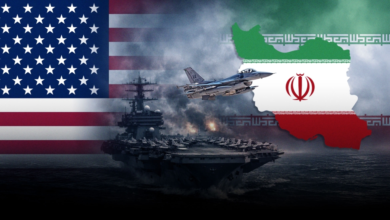
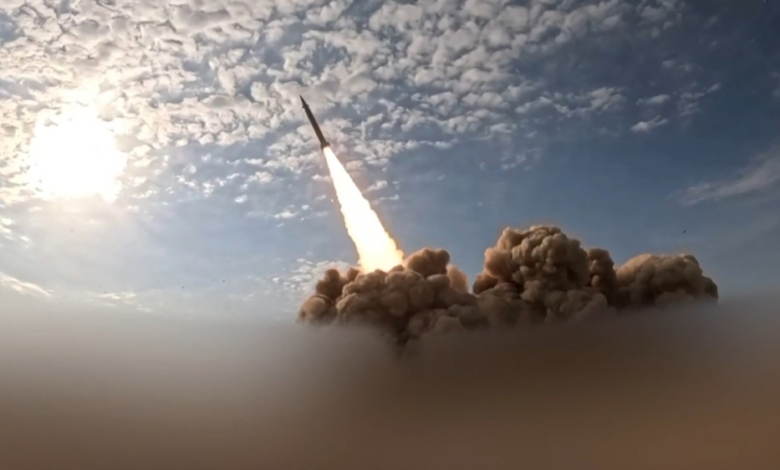
In a new escalation of tensions in the Gulf region, Iranian state television quoted an unnamed senior official denying that Tehran was planning to target the United Arab Emirates. This statement comes as a direct response to Abu Dhabi's announcement that it was dealing with "missile and drone attacks" originating from Iran, which the UAE described as a "dangerous escalation" threatening its security and sovereignty.
The UAE Ministry of Foreign Affairs confirmed in an official statement that these attacks constitute “an unacceptable transgression and a direct threat to the security, stability, and territorial integrity of the state.” The Ministry stressed that the UAE “reserves its full and legitimate right to respond to these attacks,” affirming that it will not compromise in protecting its national security and vital interests.
Historical context of regional tensions
This incident cannot be understood in isolation from the broader context of historically strained relations between Iran and the Gulf Cooperation Council (GCC) states, particularly the UAE and Saudi Arabia. These tensions stem from a complex set of geopolitical factors, including competition for regional influence, Iran’s controversial nuclear program, and Tehran’s support for proxy armed groups in several Arab countries, such as Yemen, Lebanon, Iraq, and Syria. Recent years have witnessed repeated attacks by Iranian-backed groups, such as the Houthis in Yemen, against targets in Saudi Arabia and the UAE, contributing to ongoing instability in the region.
Strategic importance and potential impacts
This escalation is particularly significant given the UAE's strategic position as a global financial and commercial hub and its vital role in energy markets. Any threat to the UAE's security not only affects its internal stability but also extends to the global economy by threatening freedom of navigation in vital waterways such as the Strait of Hormuz, through which a large portion of the world's oil supply passes. Regionally, the incident raises concerns about a wider military confrontation that could draw in international actors, particularly the United States, which has strategic relations and security alliances with the Gulf states. This development is expected to increase international diplomatic pressure on Iran and could affect the course of negotiations regarding its nuclear program, while simultaneously strengthening security and military coordination between the Gulf states and their international allies to confront shared threats.