
Introduction: The Challenge of US Sanctions
In a move reflecting escalating geopolitical tensions, a Russian oil tanker subject to US sanctions is expected to arrive off the coast of Cuba. This move represents a direct challenge to the decades-long US economic and trade embargo against the island. The development is particularly significant given Havana's current severe and unprecedented energy shortages, as evidenced by data from global shipping companies.
Details of the Russian oil tanker's route
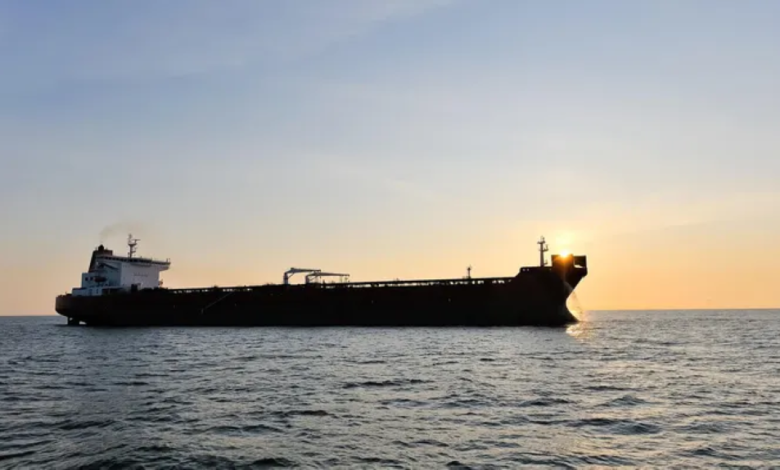
According to Kpler, a maritime data analytics company, the Russian tanker Anatoly Kolodkin, carrying approximately 730,000 barrels of crude oil, was spotted north of Haiti en route to the port of Matanzas in western Cuba. The tanker loaded the oil at the Russian port of Primorsk on March 8th. It was escorted by a Russian Navy vessel while transiting the English Channel, but the two ships separated upon the tanker entering the Atlantic Ocean, according to reports from the British Royal Navy.
Historical context and the Cuban energy crisis
Historically, Cuba has relied heavily on its allies to meet its energy needs, from Soviet support in the last century to Venezuela, which was once its main regional supplier. With Venezuelan supplies recently declining due to political crises and tightened US sanctions on Caracas, Cuba has found itself facing a severe energy crisis. The Cuban government confirms that it has not received any oil shipments since January, further exacerbating the already dire living conditions for the country's approximately 9.6 million inhabitants.
This situation prompted Cuban President Miguel Díaz-Canel to announce a package of emergency measures to ration fuel consumption, including strict gasoline rationing. As a result, fuel prices soared to record highs, the efficiency of public transportation services declined significantly, and some airlines were even forced to suspend flights to Havana.
The American position and expected repercussions
Given these developments, questions arise about the American response. Former US President Donald Trump had previously threatened to impose harsh tariffs on any country exporting oil to Cuba, and even spoke of the possibility of establishing a naval presence on the island. However, Jorge Peñón, an expert on the Cuban energy sector at the University of Texas at Austin, ruled out the possibility of Washington intercepting a Russian oil tanker in international waters. Peñón asserted that once the ship enters Cuban territorial waters, it will become virtually impossible for the US administration to stop it, either legally or practically.
The dilemma of refining and the urgent need for diesel
The crisis extends beyond the arrival of crude oil to include the capacity to refine and utilize it. Experts explain that refining the cargo of the tanker "Anatoly Kolodkin" will take between 15 and 20 days, with an additional 5 to 10 days required for distributing the refined products. Meanwhile, reports indicate that another vessel, the Hong Kong-flagged "Sea Horse," carrying Russian diesel, was en route to Cuba but recently stopped in Venezuela.
Officials emphasize that Cuba's most pressing need today is diesel fuel. The Russian shipment is expected to produce approximately 250,000 barrels of diesel, enough to cover the country's needs for only about 12.5 days. This presents Cuban policymakers with a difficult dilemma: should this precious fuel be used to power backup generators to compensate for frequent power outages (seven major nationwide blackouts have occurred since the beginning of 2024), or should it be allocated to the transportation sector and agricultural tractors to ensure the continuation of economic activity?