
لحظات من التوتر في سماء كاتماندو
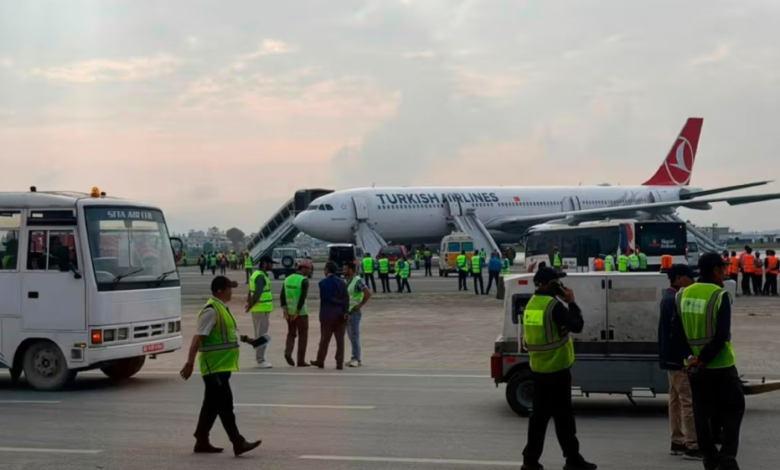
شهد مطار تريبوفان الدولي في العاصمة النيبالية كاتماندو، اليوم، حادثاً مثيراً تمثل في اندلاع حريق في إحدى طائرات الخطوط الجوية التركية أثناء عملية هبوطها. الطائرة، وهي من طراز “إيرباص A330″، كانت قادمة من إسطنبول وعلى متنها 277 راكباً، عندما لوحظ تصاعد دخان كثيف من منطقة الإطارات الخلفية اليمنى فور ملامستها لمدرج المطار. وعلى الرغم من اللحظات العصيبة، تمكن طاقم الطائرة وفرق الطوارئ الأرضية من السيطرة على الموقف بكفاءة عالية، حيث تم إخماد الحريق بسرعة وإجلاء جميع الركاب وأفراد الطاقم بسلام دون تسجيل أي إصابات.
خلفية عن مطار تريبوفان وتحدياته الجغرافية
يُعد مطار تريبوفان الدولي البوابة الجوية الوحيدة لدولة نيبال، وهو معروف عالمياً بأنه أحد أكثر المطارات تحدياً في العالم. يقع المطار في وادٍ ضيق تحيط به جبال الهيمالايا الشاهقة، ويبلغ ارتفاعه حوالي 1,338 متراً فوق مستوى سطح البحر. هذه الظروف الجغرافية والجوية المتقلبة تفرض على الطيارين مناورات هبوط وإقلاع دقيقة ومعقدة. لم يكن هذا الحادث هو الأول من نوعه الذي يشهده المطار؛ ففي عام 2015، انزلقت طائرة أخرى تابعة للخطوط التركية من نفس الطراز (A330) عن المدرج بسبب الضباب الكثيف، مما أدى إلى إغلاق المطار لعدة أيام. كما شهد المطار حوادث أخرى، أبرزها حادث طائرة “يو إس-بنغلا” عام 2018، مما يسلط الضوء باستمرار على أهمية معايير السلامة الصارمة في هذا الموقع الحساس.
أهمية الحادث وتأثيره المحتمل
على الصعيد المحلي، تسبب الحادث في إغلاق المطار مؤقتاً وتعليق جميع الرحلات الجوية القادمة والمغادرة لعدة ساعات، مما أثر على حركة السفر والسياحة التي تعد شرياناً حيوياً للاقتصاد النيبالي. أما على الصعيد الدولي، فإن أي حادث يتعلق بشركة طيران كبرى مثل الخطوط التركية يخضع لتدقيق واسع من قبل هيئات سلامة الطيران العالمية. من المتوقع أن يتم فتح تحقيق فوري من قبل هيئة الطيران المدني في نيبال، بمشاركة خبراء من تركيا وشركة “إيرباص” المصنعة للطائرة، لتحديد السبب الدقيق للحريق. وتشير التقديرات الأولية إلى احتمال ارتفاع درجة حرارة المكابح بشكل مفرط أثناء الهبوط، وهو أمر شائع في المطارات المرتفعة، أو حدوث تسرب في السوائل الهيدروليكية. وفي كل الأحوال، يؤكد نجاح عملية الإخلاء على فعالية تدريبات الطوارئ لدى طواقم الطيران والفرق الأرضية، وأهميتها في الحفاظ على أرواح المسافرين.