The Iranian military criticizes the US naval blockade of the Strait of Hormuz

Dangerous escalation: The Iranian position and the American decisions
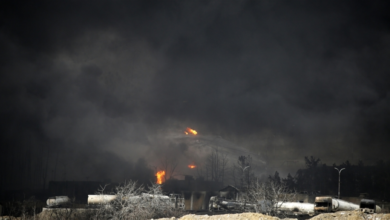
In a dangerous escalation of tensions in the Middle East, the Iranian military has declared any potential US naval blockade of the strategic Strait of Hormuz an illegal act tantamount to piracy. This firm stance comes in response to statements and actions announced by US President Donald Trump, in which he directed the imposition of a strict naval blockade on shipping in the strait.
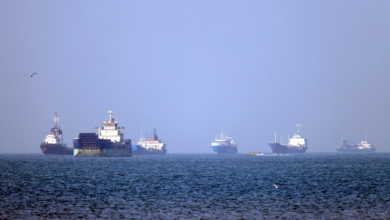
According to the released details, the US administration has instructed the US Navy to immediately impose a comprehensive blockade on all ships and tankers attempting to transit the Strait of Hormuz, whether entering or exiting. The orders went further, explicitly directing the commencement of operations to destroy any potential sea mines in the strait's waters. The orders also included the inspection and interception of any vessel in international waters found to have paid transit fees to Iranian authorities, posing unprecedented challenges to international maritime navigation.
Historical context and strategic importance of the Strait of Hormuz
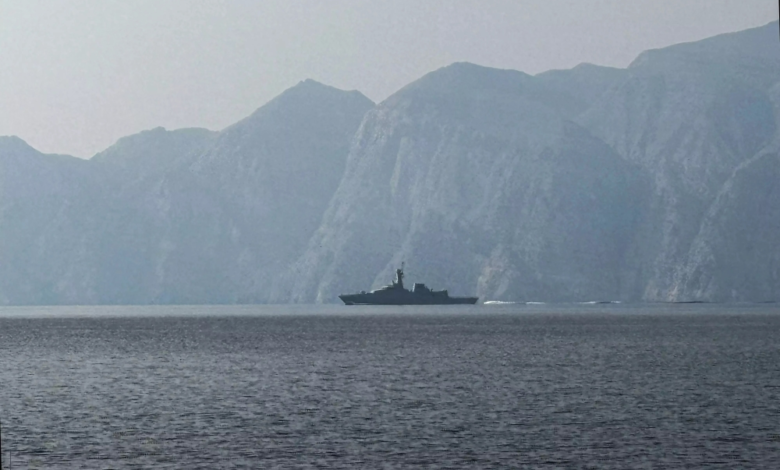
To understand the dimensions of this escalation, one must consider the broader context and historical background of the Strait of Hormuz. The strait is one of the world's most strategically important waterways, connecting the Persian Gulf, the Gulf of Oman, and the Arabian Sea. Historically, this waterway has been the scene of numerous tensions between Washington and Tehran, most notably the Tanker War of the 1980s. Iran has consistently used the threat of closing the strait as a response to US economic sanctions and maximum pressure campaigns, making any military action there a potential spark that could ignite a wider conflict.
The economic and geopolitical repercussions of the naval blockade
The significance of this event and its anticipated impact are evident on several levels. Internationally and economically, approximately one-fifth of the world's crude oil consumption passes through the Strait of Hormuz, meaning that any disruption to shipping would inevitably lead to a shock in global energy markets and a dramatic surge in oil prices, impacting the entire global economy. Regionally, the Gulf Arab states rely almost entirely on this waterway to export their oil and gas to Asian and Western markets, making the security of the strait a matter of national security for these countries.
From an international legal perspective, the naval blockade raises serious concerns regarding freedom of navigation and the right of innocent passage guaranteed by the United Nations Convention on the Law of the Sea. Transforming the Strait of Hormuz into a closed military zone or subjecting it to a unilateral blockade carries grave implications. Ultimately, this development places the entire region on the brink of disaster, necessitating urgent intervention from the international community to de-escalate tensions and prevent a descent into a full-blown military confrontation with potentially disastrous consequences.