
الاستخبارات الروسية: استمرار الصراع واحتمالية تجدد الهجمات
في ظل تصاعد الأحداث الجيوسياسية في منطقة الشرق الأوسط، كشفت تقارير حديثة صادرة عن الاستخبارات الروسية أن نهاية الصراع والتوترات العسكرية بين الولايات المتحدة الأمريكية وإيران لا تلوح في الأفق القريب، وذلك على الرغم من استمرار المحاولات والمفاوضات الدبلوماسية. ووفقاً لما نقلته قناة العربية عبر حسابها الرسمي على منصة إكس، أكدت الاستخبارات الروسية أن احتمال انتهاء الصراع المتعلق بإيران لا يزال بعيد المنال، مضيفة أنه لا يمكن استبعاد سيناريو تجدد الهجمات الأمريكية ضد أهداف إيرانية. يأتي هذا التقييم في وقت تلعب فيه روسيا دوراً استراتيجياً في مراقبة التوازنات الدولية، خاصة مع حلفائها في الشرق الأوسط.
إطباق الحصار الأمريكي وتأمين مضيق هرمز
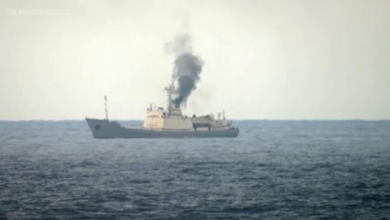
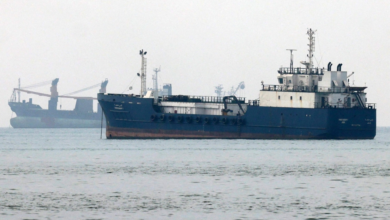
على الصعيد الميداني، أعلن الجيش الأمريكي عن تصعيد كبير في عملياته البحرية، حيث أكد أن قواته تطبق الحصار بشكل كامل على الموانئ الإيرانية لمنع تصدير النفط. وفي تفاصيل العمليات، أوضح الجيش أنه أجبر سفينتين خلال هذا الأسبوع على الامتثال للحصار عبر إطلاق طلقات تحذيرية. كما أشار إلى أنه تم تعطيل 4 سفن، في حين سُمح بمرور 15 سفينة أخرى تحمل مساعدات إنسانية، ومنذ بدء فرض الحصار، تم تحويل مسار 67 سفينة. ولضمان السيطرة الجوية والبحرية، أشار الجيش الأمريكي إلى أن مقاتلات من طراز إف-35 تجري دوريات مستمرة فوق المياه الإقليمية بالقرب من مضيق هرمز، والذي يُعد أهم ممر مائي استراتيجي في العالم، حيث يمر عبره نحو خُمس استهلاك العالم من النفط.
الخلفية التاريخية وتداعيات سياسة الضغوط القصوى
لفهم السياق العام لهذا التصعيد، يجب العودة إلى الجذور القريبة للأزمة. فقد شهدت العلاقات الأمريكية الإيرانية تدهوراً حاداً منذ عام 2018، عندما أعلنت الإدارة الأمريكية انسحابها الأحادي من الاتفاق النووي وإعادة فرض عقوبات اقتصادية قاسية ضمن ما عُرف بسياسة الضغوط القصوى. هدفت هذه السياسة إلى خنق الاقتصاد الإيراني، وتحديداً صادرات النفط، لإجبار طهران على تقديم تنازلات سياسية وعسكرية، وهو ما يفسر التعقيد الحالي وصعوبة التوصل إلى تسوية قريبة.
صراع الصلاحيات داخل الولايات المتحدة: الكونجرس مقابل الرئيس
في سياق متصل بالسياسة الداخلية الأمريكية التي تؤثر مباشرة على مسار الأحداث، شهد مجلس الشيوخ الأمريكي جدلاً واسعاً حول صلاحيات إعلان الحرب. فقد رفض المجلس، بفارق ضئيل، مشروع قرار كان يسعى إلى إصدار أمر بسحب القوات المشاركة في أي أعمال عدائية ضد إيران، أو تقييد الصلاحيات العسكرية للرئيس دونالد ترامب. وقد واجه هذا المشروع معارضة قوية من الأغلبية الجمهورية. وينص الدستور الأمريكي بوضوح على أن الكونجرس وحده هو من يملك سلطة إعلان الحرب، ومن هذا المنطلق، يحاول المشرعون الديمقراطيون باستمرار إعادة تأكيد صلاحيات السلطة التشريعية في مواجهة السلطة التنفيذية لضمان عدم الانجرار إلى حرب مفتوحة.
التأثير المتوقع إقليمياً ودولياً
إن استمرار هذه الحالة من التوتر يلقي بظلاله الثقيلة على الأمن الإقليمي، حيث يزيد من احتمالات التصعيد العرضي في مياه الخليج العربي. ودولياً، يبقي أسواق الطاقة العالمية في حالة تذبذب مستمر خوفاً من أي إغلاق مفاجئ لمضيق هرمز، مما قد يؤدي إلى أزمة طاقة عالمية غير مسبوقة.