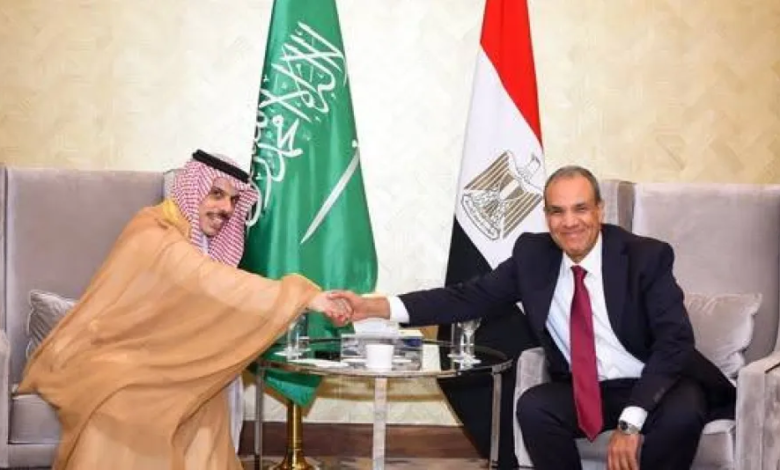

Amid the rapid changes sweeping the Middle East, the recent Saudi-Egyptian emphasis on containing tensions stands out as a pivotal step aimed at sparing the region the ravages of new conflicts that could destabilize it. This convergence of views between Riyadh and Cairo underscores the depth of the strategic relationship between the two countries, which together form a cornerstone of the Arab national security system.
A turbulent regional context calls for wisdom
These intensified diplomatic efforts come at a time when the region faces unprecedented challenges, ranging from ongoing armed conflicts to escalating geopolitical tensions. Decision-makers in both Saudi Arabia and Egypt recognize that continued escalation does not serve the interests of the region's people and, moreover, opens the door to foreign interventions that could further complicate the situation. Therefore, the shared focus is on the urgent need to halt any actions that could widen the conflict, while emphasizing the priority of diplomatic and political solutions.
The historical depth of Saudi-Egyptian relations
This coordination was not a spur-of-the-moment decision, but rather an extension of a long history of joint action. Cairo and Riyadh have always been the safety valve for the Arab world in its darkest hours. Historically, successive crises have proven that Saudi-Egyptian alignment is the cornerstone of any effective Arab action. This relationship is based on a legacy of unified stances on critical issues, with both countries consistently coordinating their positions in international forums to ensure the protection of vital Arab interests.
Strategic and economic dimensions of stability
The desire to contain tensions extends beyond the political dimension to encompass crucial economic and security aspects. Regional stability is a prerequisite for the success of ambitious development plans in both countries, whether related to the Kingdom's Vision 2030 projects or Egypt's sustainable development initiatives. Furthermore, the security of waterways, particularly the Red Sea, is a vital shared interest that directly impacts global trade and the economies of both nations, making security and political coordination an urgent necessity, not a diplomatic luxury.
A message to the international community
This joint emphasis sends a clear message to influential international powers: the two largest regional powers in the Arab world will spare no effort to de-escalate tensions. This stance also places the international community before its responsibilities to address the root causes of the crises, rather than merely managing their consequences. The Saudi-Egyptian call to contain the tension is not wishful thinking; it is a roadmap that requires concerted regional and international efforts to ensure a secure and stable future for all the peoples of the region.