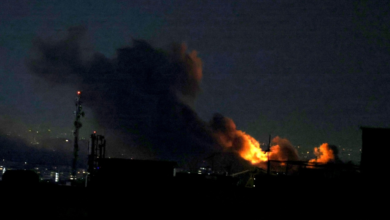

The Iranian government announced a firm stance on Thursday regarding recent diplomatic moves, describing the demands put forward by the United States to end the ongoing war in the Middle East as “extreme and illogical.” This statement comes amid escalating regional tensions and growing fears that the conflict could expand to include other international and regional actors.
Denial of direct negotiations with Washington
Tehran categorically denied holding any direct negotiations with Washington regarding a ceasefire agreement. In this context, the Iranian Students' News Agency (ISNA) quoted Iranian Foreign Ministry spokesman Esmail Baghaei as confirming that communication with the American side is limited to indirect diplomatic channels.
“We have already received messages through international mediators, including Pakistan, but there are no direct negotiations between us and the United States,” Baqai explained in his remarks. “We see that the demands adopted by Washington at the moment are extreme and lack common sense.”.
On the ground and military front, the Iranian leadership emphasized its complete readiness to deal with all possible scenarios. Iranian state television quoted officials confirming their full preparedness to confront any type of military attack, including repelling any potential ground offensive, reflecting the state of high alert currently prevailing in the region.
Iran denies Donald Trump's statements
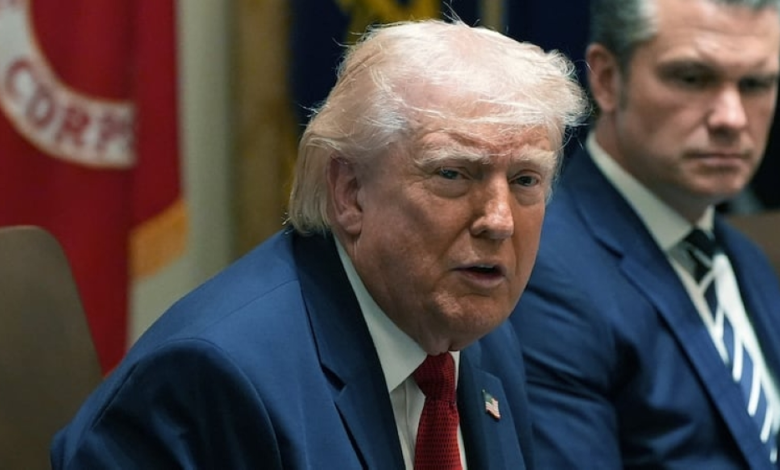
In a related development concerning US political statements, Tehran on Wednesday swiftly denied claims made by former US President Donald Trump. Trump had previously stated that "the new Iranian regime leader has just asked the United States for a ceasefire" amidst the ongoing conflict, which has now lasted for over a month.
The Iranian Foreign Ministry issued an official statement asserting that these claims were “completely false and baseless.” This swift denial reflects Tehran’s desire to project a strong stance to domestic public opinion and the international community, and to emphasize its independence from political or military pressure from any external party.
Historical context and the impact of tensions on the Middle East
The roots of diplomatic tension between Tehran and Washington go back decades, specifically to the severing of direct diplomatic relations in 1979. Since then, the two countries have relied on international mediators such as Switzerland, Oman, Qatar, and more recently Pakistan, to exchange messages and avoid a direct military confrontation that could destabilize the region.
These current developments are of paramount importance at both the regional and international levels. Regionally, these exchanges of statements further complicate the security landscape in the Middle East, particularly given the ongoing military operations and their impact on maritime security in the Red Sea and the strategic Strait of Hormuz. Internationally, any potential escalation or failure of de-escalation efforts threatens serious repercussions for the global economy, especially concerning energy prices and oil supplies. This explains the intensive diplomatic efforts led by global powers to try to contain the crisis and prevent the region from sliding into a full-blown regional war.