Qalibaf: Washington-Tehran talks are illogical after the ceasefire was violated

Iran rejects talks in light of violations
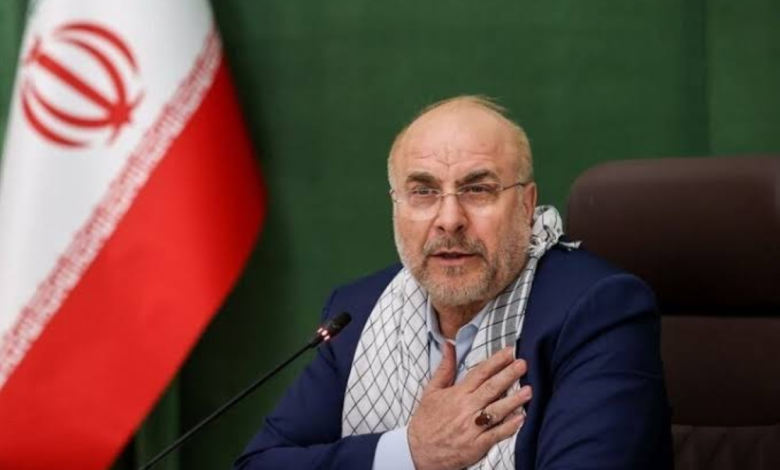
Iranian Parliament Speaker Mohammad Bagher Ghalibaf asserted that adhering to a ceasefire and holding talks with the United States is now illogical. His remarks came in response to what he described as clear violations of Tehran's ten-point plan, which had formed the basis for any potential understandings. These violations included the continuation of Israeli military attacks on Lebanon, the incursion of a drone into Iranian airspace, and the denial of Tehran's sovereign right to uranium enrichment.
In a related context, Qalibaf explained via his official account on the “X” platform that Tehran harbors a “deep and historical distrust” toward Washington, noting that this feeling stems from repeated American violations of all forms of commitments. He added that this pattern of broken promises is unfortunately repeating itself, making sitting down at the negotiating table under these circumstances a step lacking both practicality and logic.
The historical context of the crisis of confidence between Washington and Tehran
These current tensions cannot be separated from the complex historical context of US-Iranian relations. Since the United States unilaterally withdrew from the nuclear agreement (the Joint Comprehensive Plan of Action) in 2018 during President Donald Trump’s first term and reimposed crippling sanctions under its “maximum pressure” policy, the trust deficit between the two countries has deepened. This withdrawal led to Iran’s gradual rollback of its nuclear commitments, making any attempt to return to the negotiating table fraught with mistrust and preconditions from both sides.
Disagreements over Lebanon and the future of the fragile truce
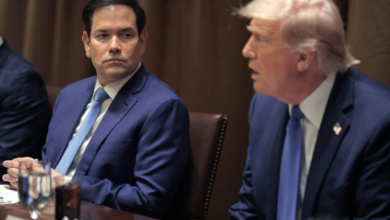
On the American side, cautious statements emerged from US Vice President Jay D. Vance, who indicated that the fate of the fragile truce now rested with Iran. Vance warned Tehran against allowing the ceasefire agreement to collapse due to continued Israeli attacks on Lebanon. Vance revealed a significant divergence in viewpoints; while Iranian President Masoud Pezeshkian stated that a ceasefire in Lebanon was a prerequisite for the ten-point plan, Vance asserted that the Iranians might have misunderstood, emphasizing that Washington had not made any absolute promise that the ceasefire would encompass the Lebanese arena.
Regional and international implications and the importance of the Strait of Hormuz
These developments have serious regional and international implications. Vance relayed Trump's expectation that Iran would uphold its commitments to keep the Strait of Hormuz open to maritime traffic. The Strait of Hormuz is one of the world's most strategic waterways, through which approximately 20% of global oil consumption passes. Any threat to close it could trigger a massive shock in global energy markets. Vance explicitly warned that Tehran's failure to honor its commitments would have "very serious consequences.".
Islamabad's upcoming negotiations
Amid this tense atmosphere, all eyes are on the upcoming talks in the Pakistani capital, Islamabad. The American delegation is expected to include, in addition to Vance, US Special Envoy Steve Wittkopf and Jared Kushner, Trump's son-in-law and the architect of US diplomacy in the Middle East during Trump's first term. The White House has hinted at the possibility of direct talks, a crucial diplomatic development that could shape the course of relations between the two countries and the future of stability in the Middle East.