
Starmer faces mounting pressure and refuses to resign
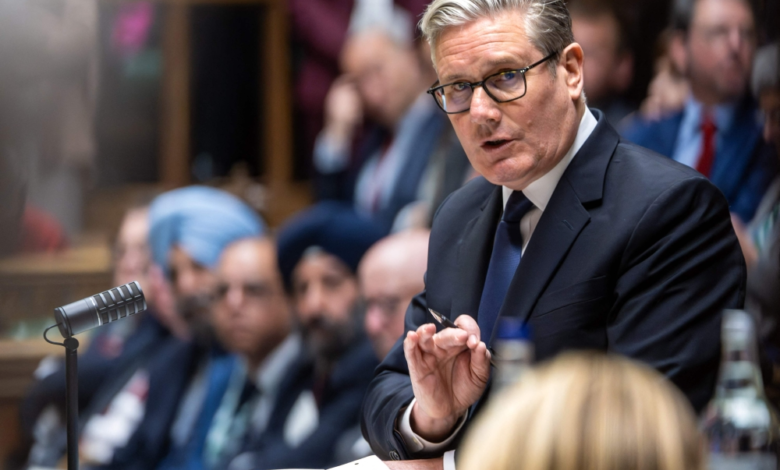
Facing a mounting political storm, British Prime Minister Keir Starmer, leader of the Labour Party, rejected repeated calls for his resignation in Parliament. This pressure stems from the controversy surrounding his initial appointment of veteran politician Peter Mandelson as the UK's ambassador to Washington, a decision that was later reversed. During a parliamentary question period on Wednesday, Starmer affirmed his commitment to his post, stating, "Nothing will deter me from fulfilling my duty to serve our country," and emphasizing that he acted in accordance with his duty to protect Britain's interests.
Background to the crisis: Mandelson's appointment and his controversial connections
The crisis that became known as the “Mandelson affair” erupted after press reports revealed that the Prime Minister’s office had ignored security warnings regarding Lord Mandelson’s appointment to one of the most important diplomatic posts. Concerns centered on two main points: his past association with convicted sex offender Jeffrey Epstein, and his alleged business ties to companies linked to the Kremlin in Russia. This information sparked outrage from the opposition and large segments of the public, who questioned Mandelson’s suitability to represent the United Kingdom in Washington, particularly given the current global geopolitical tensions.
The issue deepened after former officials testified before a parliamentary committee, indicating there was “persistent pressure” from Downing Street to push through the appointment despite negative assessments. Starmer was accused of “misleading Parliament” after previously stating that all procedures followed in the appointment process were proper and routine, a claim contradicted by the new testimony.
The importance and expected impact of the crisis
This crisis is of particular importance as it represents the biggest test of Keir Starmer's credibility since he became Prime Minister, having built his election campaign on promises of integrity, transparency and restoring confidence in politics after years of turmoil.
- On the domestic front: The Conservative opposition is exploiting this issue to portray Starmer as lacking political wisdom and transparency, which could affect the popularity of the ruling Labour Party and weaken the government's position in the face of pressing economic and social challenges.
- On the international level, the controversy highlights the sensitivity of the ambassadorial post in Washington, which is considered a cornerstone of the "special relationship" between the United Kingdom and the United States. Appointing someone with a questionable security background could have damaged diplomatic and intelligence ties between the two allies.
While Keir Starmer continues to defend his position, British political circles are awaiting the upcoming parliamentary hearings, which may reveal more details about the decision-making process in Downing Street, leaving the Prime Minister's future hanging on the results of these investigations and his ability to contain their political repercussions.