Rodgers criticizes Al-Qadisiyah's performance against Al-Fateh: We played basketball!

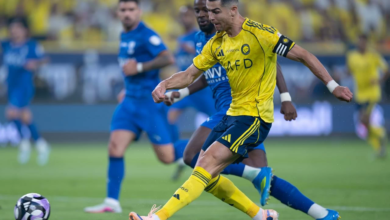
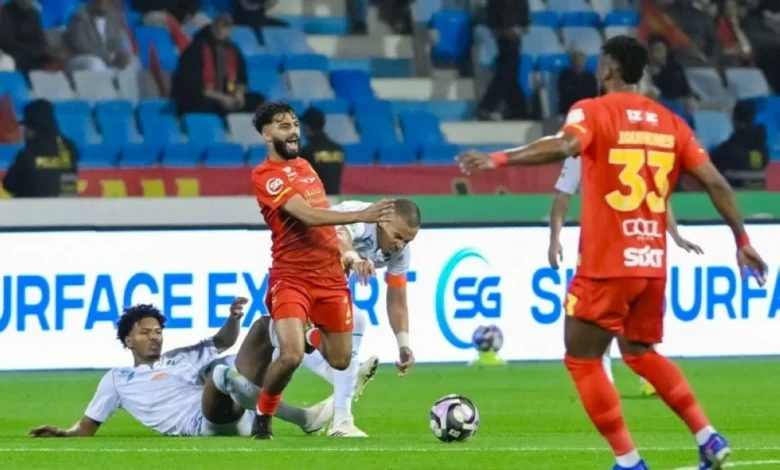
In controversial statements following the Eastern Province derby, Al-Qadisiyah's first-team football coach, Rodgers, expressed his deep dissatisfaction with his team's technical and tactical performance, despite securing a draw against Al-Fateh. The match, held at Prince Mohammed bin Fahd Stadium in Dammam as part of the 21st round of the Saudi Professional League (Roshan League), ended in a 1-1 draw, a result that fell short of the coach's ambitions to solidify his team's position in the top four.
Match details and team standings
The match was fiercely contested, with Al-Qadisiyah seeking to capitalize on home advantage and the support of their fans to increase their points tally. With this draw, Al-Qadisiyah raised their points total to 44, maintaining their fourth-place position in the standings, a crucial position for competing for continental qualification. Meanwhile, Al-Fateh reached 24 points, remaining in tenth place, a valuable point for the team given their current difficult circumstances and the pressure of a continuous schedule of matches.
Basketball statement and tactical analysis
During the post-match press conference, Rodgers surprised many by describing the game as resembling a "basketball match," highlighting the tactical chaos and lack of discipline in player positioning. Rodgers stated sharply, "Our match against Al-Fateh was one of the least tactically organized since I took charge of the team; it was more like a basketball game than a football match in terms of the players' poor positioning, and we truly lost two crucial points in the league race." This analogy reflects the open and disorganized style of play, which allowed for a series of attacks without any real control of the midfield, thus stripping Al-Qadisiyah of its usual playing style.
Rodgers addressed the significant absences, stressing that the absence of Italian striker Retegui directly affected the team's attacking solutions, reducing the effectiveness of the attacking third, despite praising the level shown by substitute player Carvalho and his attempt to compensate for the numerical and technical deficiency in the front.
Fatah's reaction and the challenges of fatigue
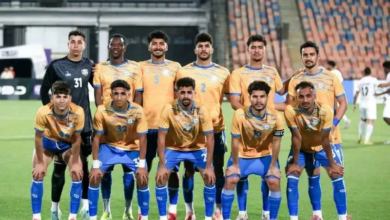
For his part, Al-Fateh's coach, the Portuguese José Gomes, dealt with the course of the match with great realism. Gomes emphasized that the game was extremely difficult due to the strength of the opponent, who possesses a wealth of stars and a deep bench, something his team currently lacks. Gomes said, "The team adhered to the instructions and succeeded in neutralizing Al-Qadisiyah's attacking threat, despite having fewer options compared to the opponent.".
The Portuguese coach pointed to the enormous physical challenge facing Al-Fateh players, explaining that the team had gone through a marathon of matches, having played 7 full matches in just three weeks, making a draw against a team the size of Al-Qadisiyah an important moral and technical gain in the team’s journey in the league.
The importance of the Eastern Derby in the context of the league
The Al-Qadisiyah vs. Al-Fateh match holds particular significance as it showcases the competitiveness of clubs from the Eastern Province in the Saudi League. This draw comes at a crucial juncture in the season, with intense competition for Asian Champions League qualification spots and a battle to improve mid-table positions. Rodgers' statement reflects the immense pressure on coaches in the Roshan League, which has garnered global attention, where dropping points is unacceptable and any tactical lapse could lead to a team's decline in the standings.