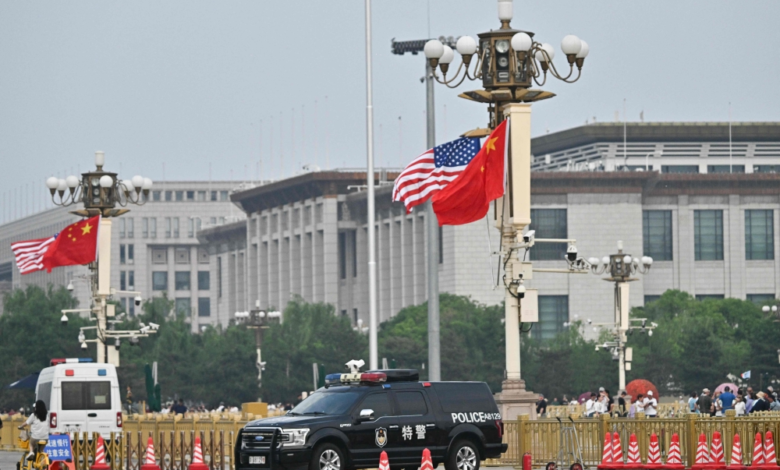

أكد الرئيس الأمريكي السابق دونالد ترامب أن مطالبة نظيره الصيني شي جين بينغ بـ”فتح” أسواق بلاده أمام الشركات الأمريكية سيكون على رأس أولوياته خلال زيارته المرتقبة إلى بكين. تأتي هذه الزيارة، التي يرافق فيها ترامب وفد رفيع المستوى من كبار الرؤساء التنفيذيين لشركات أمريكية عملاقة، في وقت حاسم يتشابك فيه الاقتصاد والسياسة، حاملةً معها رهانات كبرى على مستقبل العلاقات بين أكبر اقتصادين في العالم.
وفي تصريحات سبقت توجهه إلى الصين، قال ترامب إنه سيحث الرئيس شي على إتاحة المجال أمام الشركات الأمريكية للمنافسة بحرية، مشيراً إلى أن وجود شخصيات بارزة مثل إيلون ماسك، رئيس شركتي “تيسلا” و”سبيس إكس”، وتيم كوك رئيس شركة “آبل”، وجنسن هوانغ رئيس شركة “إنفيديا” ضمن الوفد، يؤكد على الثقل الاقتصادي والتجاري لهذه الزيارة، ورغبة واشنطن في تحقيق نتائج ملموسة.
السياق التاريخي للعلاقات التجارية المتوترة
تعود جذور هذا المطلب إلى عقود من الخلل في الميزان التجاري بين البلدين، حيث تشكو الولايات المتحدة باستمرار من عجز تجاري ضخم لصالح الصين. ولطالما انتقدت الإدارات الأمريكية المتعاقبة السياسات الصينية التي تفرض قيوداً على وصول الشركات الأجنبية إلى أسواقها، وتتهمها بممارسات غير عادلة تشمل سرقة الملكية الفكرية وإجبار الشركات على نقل التكنولوجيا مقابل السماح لها بالعمل في الصين. وتمثل تصريحات ترامب استمراراً لهذا النهج ولكن بلهجة أكثر حدة ومباشرة، مما وضع العلاقات التجارية الثنائية تحت ضغط متزايد خلال فترة رئاسته وأدى لاحقًا إلى حرب تجارية واسعة النطاق.
أهمية القمة وتأثيرها المحتمل
لا تقتصر أهمية القمة على الملفات الاقتصادية فحسب، بل تمتد لتشمل قضايا جيوسياسية معقدة. فقد أشار ترامب إلى أنه سيجري “محادثات مطولة” مع الرئيس الصيني بشأن الملف الإيراني، خاصة وأن الصين تعد من أكبر مستوردي النفط الإيراني رغم العقوبات الأمريكية. بالإضافة إلى ذلك، تشكل قضايا أخرى مثل التوترات في بحر الصين الجنوبي ومسألة تايوان، محاور رئيسية في المباحثات، حيث تعتبر واشنطن دور بكين حيوياً في العديد من الملفات الدولية.
تحمل هذه الزيارة في طياتها تداعيات واسعة النطاق. على الصعيد المحلي، يمكن أن يؤدي نجاح المفاوضات إلى توقيع صفقات تجارية بمليارات الدولارات. أما على الصعيد الدولي، فإن أي تفاهم بين واشنطن وبكين من شأنه أن يبعث برسالة استقرار للاقتصاد العالمي الذي يراقب بقلق أي مؤشرات على تجدد النزاع التجاري. وفي المقابل، قد يؤدي فشل المحادثات في تحقيق تقدم ملموس إلى تصعيد التوترات، مما يلقي بظلال سلبية على النمو الاقتصادي العالمي.