Zelensky warns Moscow's allies against attending Victory Day military parade

Ukrainian warning against participating in Moscow celebrations
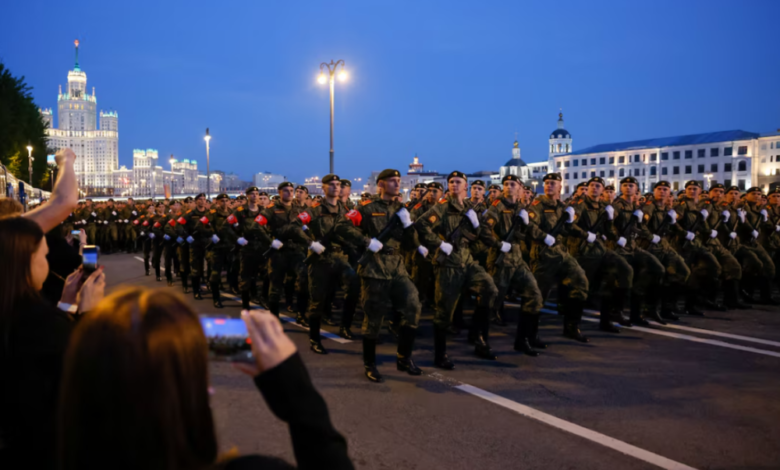
In a striking diplomatic move, Ukrainian President Volodymyr Zelensky issued a stern warning to officials in countries allied with Russia, urging them to refrain from attending the military parade that Moscow plans to hold in Red Square to commemorate Victory Day on May 9. This warning comes as Russia's war in Ukraine continues, adding a complex political and propaganda dimension to this year's celebrations.
Zelensky stated, “We have received messages from some countries close to Russia indicating that their representatives intend to attend the Moscow parade. This is a strange desire these days, and we do not recommend it.” The Ukrainian president argued that any international participation in the parade would constitute tacit support for Russian policies at a time when Kyiv and its Western allies are seeking to impose comprehensive international isolation on the Kremlin.
Historical background of Victory Day and its importance to Russia
Victory Day holds a central place in the Russian consciousness, commemorating the Soviet Union's victory over Nazi Germany in World War II in 1945, a war Russia calls the "Great Patriotic War." This day is a major national occasion to honor the sacrifices of millions of Soviet soldiers and civilians. Over the decades, the military parade in Red Square has become a display of Russian military might and a means of fostering patriotism and pride in the country's history. Since President Vladimir Putin came to power, the celebration has gained even greater prominence, being used to reinforce Russia's narrative as a global superpower capable of confronting external challenges.
Expected effects and dimensions of the Ukrainian warning
In the context of the current war, Victory Day is no longer merely a historical celebration; it has become a key tool in the Russian propaganda machine. The Kremlin seeks to link its “special military operation” in Ukraine to the legacy of World War II, portraying it as a new battle against “Nazism.” Therefore, Zelensky’s call is of paramount importance, as it aims to dismantle this narrative and prevent any international party from legitimizing it through participation.
Internationally, diplomatic attendance at the Moscow parade is seen as a gauge of Russia’s influence and foreign relations. In the years before the invasion of Ukraine, leaders from around the world attended the event. Today, the guest list has shrunk considerably, consisting mainly of leaders of countries closely allied with Moscow, particularly from the Commonwealth of Independent States (CIS). The boycott of the parade by most of the world, especially Western countries, sends a clear message of rejection of Russian aggression and underscores Moscow’s growing isolation on the international stage. Therefore, Zelensky’s warning is not only aimed at preventing attendance but also at highlighting and deepening this isolation.