Al-Nassr vs. Neom: A battle for the top spot in the Roshan League and Ronaldo's absence

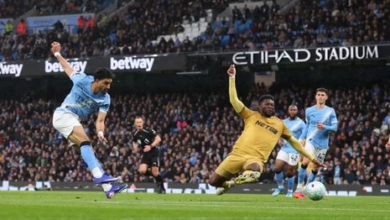
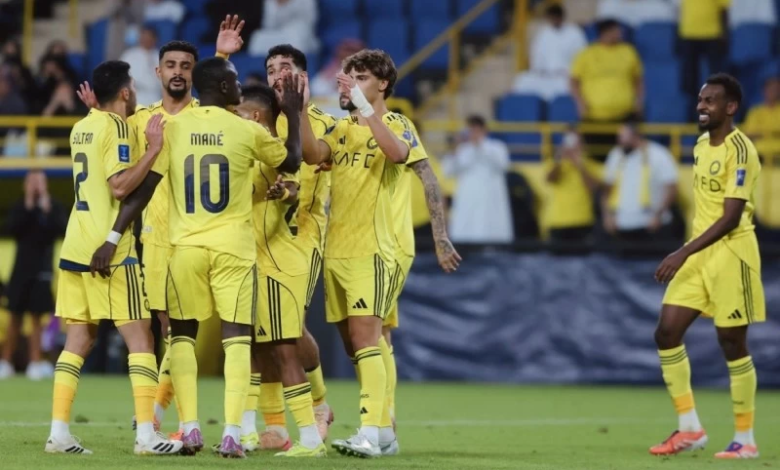
Al-Nasr's first football team is preparing for a crucial and decisive match this Saturday evening, when they host Neom at the "Al-Awwal Park" stadium in the capital, Riyadh, at 10:00 PM, as part of the 25th round of the Saudi Professional League.
This match holds added importance for Al-Nassr, as the team seeks to reclaim its position at the top of the league table after temporarily dropping to second place following Al-Ahli's thrilling 3-1 victory over Al-Ittihad in the Jeddah derby last night. The Saudi league has witnessed unprecedented competition this season, reflecting the major sporting boom the Kingdom is experiencing, with the top three teams maintaining a remarkably close points standing.
The battle for the top spot and the heated competition in the Roshan League
Al-Nassr enters the match with its sights set on nothing less than three points. Al-Ahli currently leads the standings with 62 points, just one point ahead of Al-Nassr and Al-Hilal, who share second and third place, respectively. The coaching staff and players understand that any slip-up at this crucial stage of the season could prove costly in the title race, especially given the fierce competition and the rising technical level of all clubs, bolstered by the elite recruitment program that has made the Saudi league a focus of global attention.
Al-Nasr is counting on the home advantage and the support of the fans at “Al-Awwal Park” to put pressure on the opponent from the first minutes, in an attempt to break down Neom’s defenses early, and to take advantage of the opponents’ stumbles to move a new step closer to the podium.
The shock of Ronaldo's absence and details of his treatment journey
In a major blow to the team, it has been officially confirmed that Al-Nassr's captain and Portuguese legend, Cristiano Ronaldo, will miss tonight's match. During the pre-match press conference, the team's manager, Jorge Jesus, revealed details of Ronaldo's medical condition, confirming that the injury he sustained in the last match was more serious than initially thought.
Jesus stated, "The injury requires a precise treatment program and complete rest to ensure it doesn't worsen. Cristiano has traveled to Spain, specifically to Madrid, to undergo treatment under the supervision of his personal physician, a procedure followed with many players to guarantee the best possible medical care." The coach added that the medical staff preferred not to risk the player, confirming his absence from the upcoming match against Al-Khaleej as well, to give him ample time to recover and return fully fit for the crucial stages of the season.
Neom and the ambition to return under Galtier's leadership
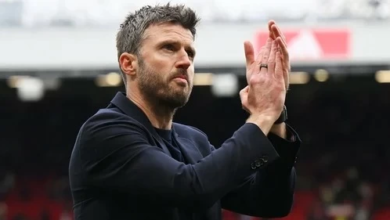
On the other side, Neom enters the match in eighth place with 32 points, looking to get back on track under the guidance of their experienced French coach, Christophe Galtier. The team has been struggling with inconsistent results recently, managing only one point out of a possible six in their last two matches (a draw and a loss).
Despite Ronaldo's absence, Galtier emphasized that this would not alter his team's strategy or playing philosophy, stressing that Al-Nassr possesses a strong squad and excellent substitutes capable of making a difference. Neom, meanwhile, aims to capitalize on the pressure on the home side to secure a positive result that would restore the team's confidence and improve their position in the league standings.