
بدء جراحة معقدة في الرياض
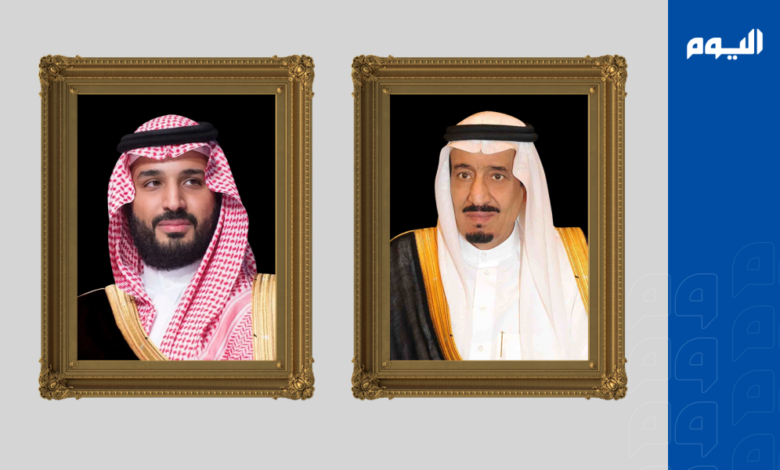
إنفاذًا للتوجيهات الكريمة من خادم الحرمين الشريفين الملك سلمان بن عبدالعزيز آل سعود، وصاحب السمو الملكي الأمير محمد بن سلمان بن عبدالعزيز آل سعود، ولي العهد رئيس مجلس الوزراء، بدأ الفريق الطبي والجراحي المختص صباح اليوم عملية فصل التوأم السيامي التنزاني “نانسي ونايس” في مستشفى الملك عبدالله التخصصي للأطفال بمدينة الملك عبدالعزيز الطبية بوزارة الحرس الوطني في الرياض. يبلغ عمر التوأم سنة وستة أشهر، وتُعد هذه العملية حلقة جديدة في سلسلة الإنجازات الإنسانية والطبية للمملكة العربية السعودية.
خلفية تاريخية للبرنامج السعودي لفصل التوائم
يُعد البرنامج السعودي لفصل التوائم الملتصقة، الذي انطلق في عام 1990، أحد أبرز المشاريع الإنسانية التي تتبناها المملكة. على مدى أكثر من ثلاثة عقود، اكتسب البرنامج شهرة عالمية واسعة بفضل خبرته العميقة ونتائجه المتميزة. وقد تمكن البرنامج حتى الآن من دراسة وتقييم أكثر من 157 حالة من 28 دولة حول العالم، وأجرى بنجاح عشرات العمليات المعقدة التي منحت حياة جديدة للأطفال وعائلاتهم. ويجسد هذا البرنامج الدور الريادي للمملكة في العمل الإنساني وتقديم المساعدة الطبية المتقدمة للمحتاجين في جميع أنحاء العالم، بغض النظر عن عرقهم أو دينهم، مما يعزز من مكانة المملكة كقوة مؤثرة في مجال الدبلوماسية الإنسانية.
تفاصيل الحالة الطبية ومراحل العملية
أوضح معالي الدكتور عبدالله بن عبدالعزيز الربيعة، المستشار بالديوان الملكي والمشرف العام على مركز الملك سلمان للإغاثة والأعمال الإنسانية ورئيس الفريق الطبي، أن التوأم “نانسي ونايس” وصلتا إلى المملكة مؤخرًا، وخضعتا لفحوصات طبية دقيقة وشاملة. أظهرت النتائج أن التوأم ملتصقتان في منطقة أسفل الصدر والبطن والحوض، وتشتركان في الكبد والأمعاء والجهاز البولي والتناسلي، ولكل منهما طرف سفلي واحد، وتشتركان في طرف سفلي ثالث مشوه. وبناءً على هذه المعطيات، قرر الفريق الطبي إجراء العملية على عشر مراحل، ومن المتوقع أن تستغرق حوالي 16 ساعة. يشارك في هذه الجراحة الدقيقة فريق ضخم يضم 35 من الاستشاريين والأخصائيين والكوادر التمريضية والفنية في تخصصات متعددة تشمل التخدير وجراحة الأطفال وجراحة المسالك البولية والعظام والتجميل.
الأهمية والتأثير الإنساني والدولي
تحمل هذه العملية أهمية كبرى على عدة مستويات. محليًا، هي تأكيد جديد على القدرات الفائقة للنظام الصحي السعودي وكفاءة كوادره الطبية التي وصلت إلى مستويات عالمية. أما على الصعيد الدولي، فتعزز هذه المبادرات من الصورة الإيجابية للمملكة كدولة داعمة للعمل الإنساني، وتعمق علاقاتها مع الدول الصديقة، ومنها جمهورية تنزانيا التي تُعد هذه الحالة هي الثالثة التي تأتي منها. إن نجاح مثل هذه العمليات لا يمنح الأمل للأطفال المعنيين فقط، بل يرسخ أيضًا مكانة المملكة كمركز عالمي رائد في مجال جراحات فصل التوائم السيامية، ويضيف إلى السجل الحافل للبرنامج الذي يُعتبر علامة فارقة في تاريخ الطب الحديث.