Saudi Defense Ministry: Two drones shot down as they approached the diplomatic quarter

Foiling an air attack and intercepting two hostile drones
In a new security and military achievement reflecting the vigilance of the armed forces, the official spokesperson for the Saudi Ministry of Defense, Major General Turki al-Maliki, announced the successful interception and downing of two hostile drones by air defense forces. This announcement confirmed that the two drones were making a desperate attempt to approach the Diplomatic Quarter in Riyadh, the capital, an attempt that was thwarted with high efficiency and complete professionalism without any damage, highlighting the utmost readiness to deal with various threats.
General context and historical background of the event
This incident comes amidst a series of repeated hostile attempts by the Houthi militias, supported by external parties, who consistently target civilian infrastructure and vital facilities within the Kingdom of Saudi Arabia. Historically, the Kingdom has faced similar security challenges through the use of explosive-laden drones and ballistic missiles. However, the Saudi defense system has proven its superiority and exceptional ability to neutralize these aerial threats before they reach their targets, relying on the latest military technologies and advanced monitoring and interception systems possessed by the Royal Saudi Air Defense Forces.
The importance of the event and its local and international impact
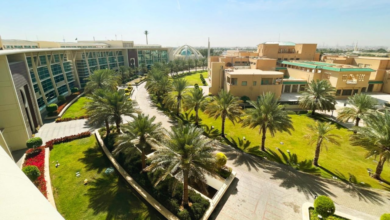
The downing of the two drones is of paramount importance given their likely target: the Diplomatic Quarter in Riyadh. This strategic and vital area houses foreign embassies, international organizations, and residences of diplomats from around the world. Protecting this sensitive location reflects the Kingdom of Saudi Arabia's unwavering commitment to providing the highest levels of security and protection for diplomatic missions and residents within its borders, in accordance with international treaties and conventions, most notably the Vienna Convention on Diplomatic Relations. This reinforces the international community's confidence in Saudi security measures.
Regional implications and strategic messages
Regionally and internationally, this event carries several strategic messages. First, it underscores Saudi Arabia's deterrent power and its absolute ability to protect its sovereign airspace. Second, it highlights once again the hostile behavior of militias that violate international humanitarian law and its customary rules by attempting to target civilians and diplomatic areas. These failed attempts are typically met with widespread international condemnation from brotherly and friendly nations and international organizations, which affirm their full solidarity with the Kingdom in all measures it takes to preserve its security and stability.
Ministry of Defense's ongoing readiness
In conclusion, the Saudi Ministry of Defense affirms through these successful operations its unwavering commitment to countering any attempts to undermine the security of the nation, its citizens, and residents. The Saudi Armed Forces continue to develop their defensive capabilities and implement all necessary operational measures to address threats, ensuring the neutralization of hostile capabilities and the protection of national assets, so that the Kingdom remains an oasis of security and stability in the region.