Growing international concern over the situation in Cuba and calls for inclusive dialogue

Growing international concern over the situation in Cuba
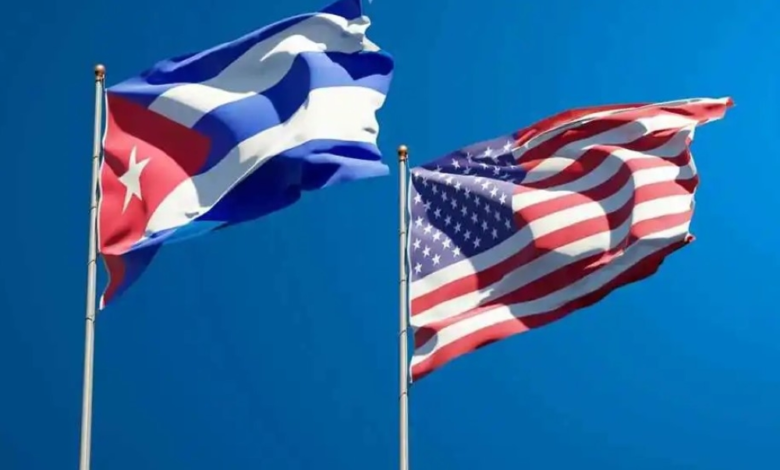
Spain, Mexico, and Brazil have expressed their deep concern over what they described as the “tragic situation” currently facing Cuba. In a notable diplomatic move, these countries avoided explicitly mentioning the United States, but they conveyed clear messages calling for a fundamental solution to the Cuban crisis. These actions come amidst immense economic and political pressure that Havana has been facing for months, pressure that has been significantly exacerbated by the hardline policies pursued by the previous US administration under Donald Trump, which included tightening sanctions and imposing strict restrictions on vital sectors.
Calls for dialogue based on mutual respect
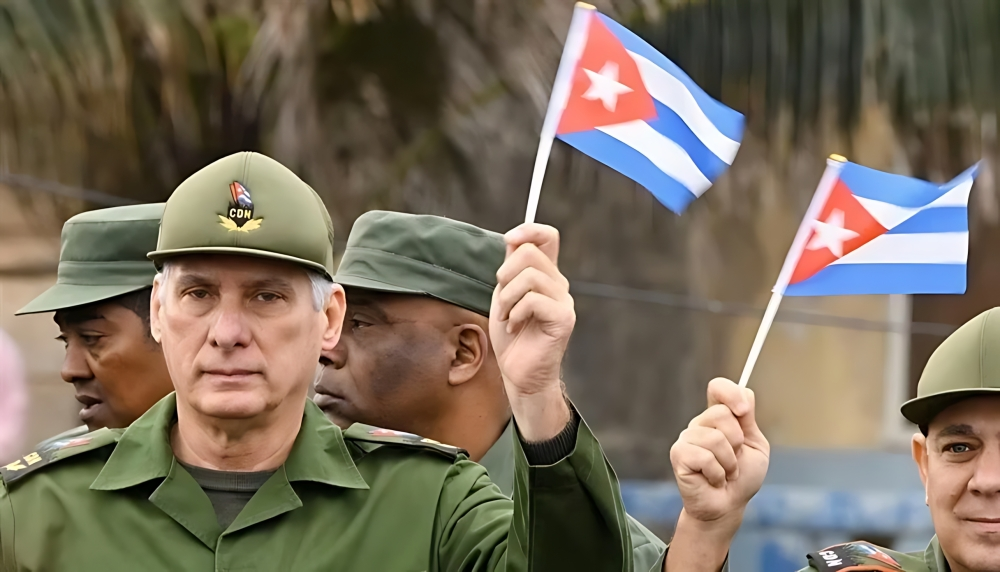
The three countries, currently led by left-leaning governments, called for the initiation of a “dialogue based on honesty and respect” with the Cuban government in Havana. In a joint statement, they emphasized that the primary objective of this dialogue must be to “find a lasting solution to the current situation and ensure that the Cuban people themselves freely decide their own future,” implicitly rejecting foreign interference in the country’s internal affairs and attempts to impose political control.
The historical and economic context of the Cuban crisis
To understand the dimensions of this international situation, one must consider the complex historical and economic context in which Cuba finds itself. The Caribbean island has been suffering the consequences of an economic, commercial, and financial embargo imposed by the United States for more than six decades. Recent years have witnessed an unprecedented deterioration in living conditions, with Cuban citizens facing severe shortages of basic foodstuffs, medicine, and fuel. The oil embargo imposed since January has exacerbated the energy crisis, resulting in frequent and prolonged power outages that have directly impacted production and the daily lives of citizens.
The regional and international impact of the positions of Spain, Mexico, and Brazil
The intervention of Spain, Mexico, and Brazil carries significant political and economic implications. Spain is one of the largest European investors in Cuba, particularly in the tourism and hotel sectors, and plays a pivotal role in shaping the European Union's policy toward Havana. Mexico and Brazil, on the other hand, wield considerable diplomatic influence in Latin America. Both the Mexican and Brazilian governments seek to promote regional integration and reduce American dominance in the region, considering Cuba's stability an integral part of the stability of the Caribbean and Latin America as a whole.
Expected repercussions and the future of the crisis
This tripartite diplomatic alliance could constitute a new pressure point in international forums to demand the easing of sanctions against Cuba. Observers believe that the continued deterioration of the economic situation in Cuba could lead to new waves of mass migration affecting neighboring countries, making a peaceful and lasting solution an urgent necessity for regional security. The greatest challenge remains the extent to which the international community will respond to these calls, and Havana's ability to implement internal reforms that meet the demands of the current situation and alleviate the crisis's impact on its people.