Makkah Chamber of Commerce discusses challenges of financing contracting and liquidity solutions

In a move aimed at strengthening the investment environment in the Holy City of Mecca, the Mecca Chamber of Commerce and Industry, represented by its Contractors Committee, organized a strategic meeting that brought together leading experts, specialists, and stakeholders in the contracting sector. The meeting aimed to highlight the key obstacles hindering the sector's growth, with financing challenges topping the list of discussions. This initiative is part of the Chamber's ongoing efforts to ensure business sustainability and enhance the efficiency of development projects.
The reality of the contracting sector in Makkah
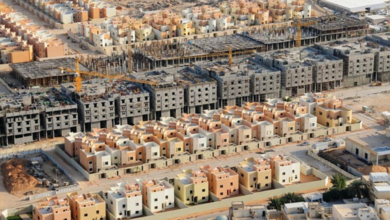
The meeting provided a detailed overview of the current state of the contracting sector in the region, which is considered the backbone of urban development, particularly given the religious and geographical significance of Mecca, which is witnessing massive and ongoing development projects to serve pilgrims. Attendees discussed the complex challenges facing companies, most notably complicated financing mechanisms, fluctuating cash flow, and the significant rise in operating costs and building material prices both globally and locally.
The discussion also touched on the obstacles related to strict bank guarantee requirements, and the combined impact of these factors on the ability of establishments – specifically small and medium enterprises – to meet their obligations and implement projects according to the specified timelines, which threatens their continuity in the market.
Economic importance and keeping pace with Vision 2030
This meeting is of particular importance in light of the economic activity taking place in the Kingdom of Saudi Arabia, where the contracting sector is the second largest non-oil sector in the Kingdom and a key driver for achieving the goals of Vision 2030. Contracting companies play a pivotal role in implementing infrastructure projects and mega-projects, making overcoming financing obstacles a national necessity to ensure that the development process proceeds without setbacks.
Strengthening partnerships and future solutions
The participants emphasized the need to develop flexible financing solutions that align with the financial cycles of contracting projects, stressing the importance of strengthening strategic partnerships between financing entities (banks and finance companies) and contractors. These partnerships aim to enable companies to fulfill their contractual obligations and achieve financial sustainability.
The meeting concluded by emphasizing the need to make the most of the government initiatives and support programs launched by the state to stimulate the private sector, and to raise recommendations and views to the relevant authorities to address funding gaps, in order to contribute to strengthening the national economy.