
في تطور لافت يعكس نجاح الجهود الأمنية والعسكرية، أعلنت قناة “الإخبارية” أنه للمرة الأولى منذ أكثر من شهر، لم تسجل دفاعات المملكة العربية السعودية يوم السبت أي اعتداءات إيرانية أو هجمات معادية. يأتي هذا الهدوء الحذر في ظل توترات إقليمية مستمرة، حيث تقف منظومات الدفاع الجوي السعودية دائماً بالمرصاد لأي محاولات تستهدف أمن واستقرار أراضيها.
تحرك خليجي حازم في الأمم المتحدة
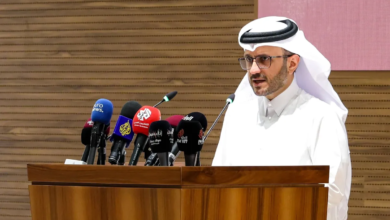
وفي سياق متصل بالجهود الدبلوماسية لحماية أمن المنطقة، وجه الأمين العام لمجلس التعاون لدول الخليج العربية، الأستاذ جاسم محمد البديوي، رسالة حازمة للمجتمع الدولي. وخلال تقديم الإحاطة رفيعة المستوى حول التعاون بين الأمم المتحدة ومجلس التعاون في مقر الأمم المتحدة بنيويورك، دعا البديوي مجلس الأمن الدولي إلى اتخاذ كافة الإجراءات الفورية والكفيلة بوقف الاعتداءات الإيرانية المتكررة على دول المجلس.
حماية الملاحة الدولية والممرات المائية
وشدد الأمين العام على ضرورة تأمين الممرات المائية الاستراتيجية التي تعتبر شرياناً حيوياً للاقتصاد العالمي، لضمان استمرارية حركة الملاحة الدولية في جميع المضائق البحرية، ولا سيما مضيق هرمز ومضيق باب المندب. كما أكد على مطلب خليجي جوهري يتمثل في ضرورة إشراك دول مجلس التعاون في أية محادثات أو اتفاقيات مستقبلية مع الجانب الإيراني، لضمان معالجة المخاوف الأمنية الخليجية، وتعزيز حفظ الأمن والاستقرار الإقليمي، ومنع تكرار مثل هذه التهديدات.
السياق التاريخي للاعتداءات وتأثيرها
تاريخياً، عانت المنطقة من تداعيات التدخلات الإيرانية ودعمها للميليشيات المسلحة. وقد أوضح البديوي أن دول مجلس التعاون تعرضت خلال السنوات الماضية لعدوان وهجمات آثمة باستخدام الصواريخ الباليستية والطائرات المسيرة المفخخة. هذه الهجمات لم تقتصر على الأهداف العسكرية، بل تعمدت استهداف البنية التحتية المدنية والحيوية بشكل متكرر وممنهج.
تهديد مباشر لحياة المدنيين والاقتصاد العالمي
لقد طالت هذه الاعتداءات مطارات مدنية، ومنشآت نفطية تمثل عصب إمدادات الطاقة العالمية، بالإضافة إلى محطات تحلية المياه، والموانئ، وخزانات الوقود. كما امتدت لتشمل مناطق سكنية وتجارية ومقار للبعثات الدبلوماسية. وقد أسفرت هذه الأعمال العدائية عن سقوط ضحايا ومصابين من المدنيين والعسكريين، وتسببت في أضرار مادية جسيمة، مما يشكل انتهاكاً صارخاً للقوانين الدولية وتهديداً مباشراً لأمن وسلامة وحياة المواطنين والمقيمين.
على الصعيد الدولي، لا تقتصر خطورة هذه الاعتداءات على النطاق المحلي أو الإقليمي فحسب، بل تمتد لتشكل تهديداً مباشراً للأمن الاقتصادي العالمي. فأي استهداف لمنشآت الطاقة في المملكة العربية السعودية أو تهديد للملاحة في الخليج العربي ينعكس فوراً على أسواق النفط العالمية وسلاسل الإمداد. لذلك، تبرز أهمية تضافر الجهود الدولية مع دول مجلس التعاون الخليجي لوضع حد لهذه التجاوزات وإرساء سلام دائم وشامل في منطقة الشرق الأوسط.