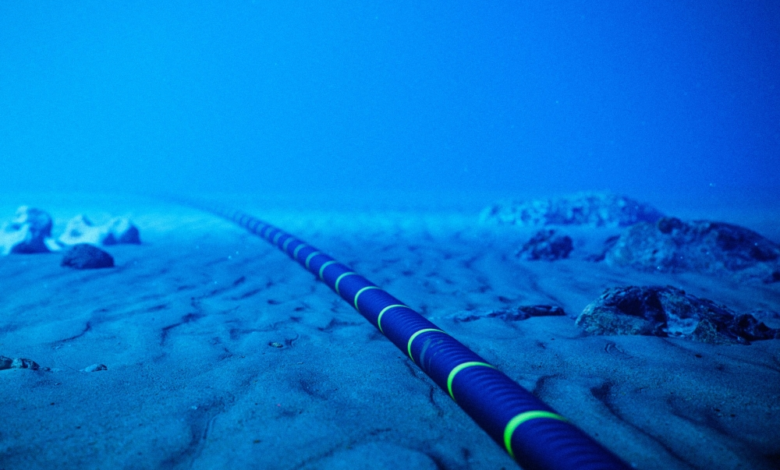

إيران تلوح باستخدام الكابلات البحرية سلاحاً جديداً
صعد الحرس الثوري الإيراني من لهجته التصعيدية في منطقة الخليج، ملوحاً باستخدام ورقة ضغط جديدة تتمثل في إخضاع كابلات الألياف الضوئية البحرية للإنترنت التي تمر عبر مضيق هرمز لـ “نظام تصاريح”. هذه الخطوة غير المسبوقة تعكس مساعي طهران الحثيثة لتوسيع نطاق سيطرتها ونفوذها على أحد أهم الشرايين الحيوية للطاقة والتجارة والاتصالات في العالم. ورغم عدم وضوح الرؤية بشأن الجهة التي ستُفرض عليها هذه الرسوم أو التصاريح—سواء كانت شركات مد الكابلات، أو مالكيها، أو مشغليها—إلا أن طهران تستند في تهديدها إلى ادعاء السيادة المطلقة على قاع وباطن البحر في مياهها الإقليمية.
الأهمية الاستراتيجية لمضيق هرمز: من النفط إلى البيانات
تاريخياً، عُرف مضيق هرمز بأنه أهم نقطة اختناق بحرية للنفط في العالم، حيث يمر عبره نحو خُمس الاستهلاك العالمي من النفط الخام. لطالما استخدمت إيران التهديد بإغلاق المضيق كورقة ضغط سياسية وعسكرية خلال الأزمات الدولية. ومع التطور التكنولوجي السريع، تحول المضيق إلى ممر حيوي ليس فقط للطاقة، بل لتدفق البيانات العالمية. الكابلات البحرية اليوم تنقل أكثر من 95% من حركة الاتصالات والبيانات الدولية، مما يجعل أي تهديد لها بمثابة تهديد مباشر للأمن القومي والاقتصادي للدول المرتبطة بها.
أبرز الكابلات البحرية المهددة في المضيق
تضم شبكة الاتصالات المارة عبر المضيق بنية تحتية حساسة، من أهمها فرع من كابل “AAE-1” (آسيا، إفريقيا، أوروبا). يُعد هذا النظام من أطول الكابلات البحرية، حيث يربط القارة الآسيوية بأوروبا مروراً بمنطقة الشرق الأوسط ومصر، ويمتد من هونج كونج وصولاً إلى فرنسا. بالإضافة إلى ذلك، يمر عبر المضيق كابلان آخران هما “فالكون” (Falcon) و”جولف بريدج” (Gulf Bridge)، واللذان يربطان دول الخليج العربي، بما فيها إيران، بالهند وشرق إفريقيا وصولاً إلى الأراضي المصرية. تنقل هذه الكابلات تدفقات هائلة من البيانات تشمل المعاملات المالية الحساسة، والاتصالات الحكومية، ورسائل البريد الإلكتروني، ومقاطع الفيديو، وفقاً لما يؤكده آلان مولدين، مدير الأبحاث في شركة “تيليجيوجرافي” المتخصصة في بيانات الاتصالات العالمية.
التداعيات الاقتصادية والأمنية المحتملة
على الصعيد الإقليمي، تعتمد دول الخليج العربي بشكل كبير على استقرار هذه الكابلات لدعم خططها الطموحة للتحول الرقمي وبناء اقتصادات قائمة على المعرفة. أي تعطيل أو ابتزاز إيراني قد يؤثر على سرعة وموثوقية الإنترنت، مما ينعكس سلباً على قطاعات الأعمال والمال. أما على الصعيد الدولي، فإن استهداف البنية التحتية للإنترنت يمثل تصعيداً خطيراً قد يستدعي تدخلاً دولياً لحماية حرية الملاحة وتدفق المعلومات، تماماً كما تُحمى خطوط الملاحة البحرية التقليدية.
البدائل المتاحة ومدى كفاءتها
رغم خطورة التهديدات، يرى الخبراء أن احتمالية حدوث انقطاع أو اضطراب عالمي شامل تبقى محدودة. يوضح آلان مولدين أن البيانات المتدفقة بين أوروبا وآسيا لا تعتمد حصرياً على فرع كابل “AAE-1” المار بالخليج. كما أن دول الخليج تمتلك بدائل متعددة للاتصالات. ومع ذلك، حذر مولدين من أن أي اضطراب يطال هذا الفرع تحديداً قد يؤثر بشكل مباشر على الاتصالات في دولة قطر، نظراً لمروره عبر هرمز وصولاً إلى الدوحة. وفي حين أن دول الخليج لا تعتمد كلياً على هذه الكابلات البحرية لتلبية كافة احتياجاتها، إلا أن سعة الشبكات الأرضية البديلة قد لا تكون كافية لاستيعاب وإعادة توجيه حركة البيانات بالكامل في حال تضرر الأنظمة البحرية بشكل كبير، مما يبقي المنطقة في حالة ترقب وحذر.