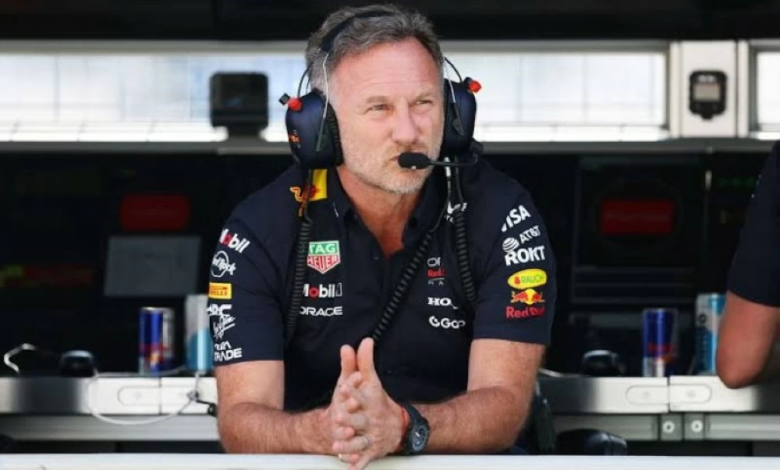
Christian Horner reveals the conditions for his return to Formula 1 and the truth about buying Alpine

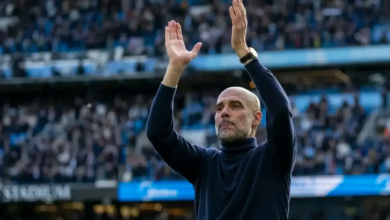
In his first public appearance since his dramatic departure from Formula 1, former Red Bull team principal Christian Horner revealed his mixed feelings about the sport he dominated for years at the European Motor Show in Dublin. His comments, made after his official dismissal in September 2025, put an end to speculation about his future career.
Conditions for return: Partnership, not employment
Horner broke his silence with words reflecting his unquenchable ambition, emphasizing his longing for the competitive atmosphere and the roar of the engines. "There are achievements in Formula 1 that I haven't yet attained, and my career hasn't ended the way I hoped," Horner stated. The 52-year-old team principal clarified that his return is contingent upon a project that guarantees him a chance to compete at the top, adding, "I won't return just for the sake of returning; I'll return for something I can win. I want to be a partner, not just a member of the team.".
These statements clearly indicate Horner’s desire to move from the role of employee manager to that of owner or strategic partner, a model that has become more common in modern Formula 1, giving him greater control and the ability to build a team according to his own vision without external management interference.
A golden legacy and a controversial end
It's impossible to talk about Christian Horner without mentioning his legendary 21-year career, 20 of which were spent building the Red Bull empire. Horner transformed the team from a mere participant into a powerhouse, securing eight Drivers' Championships and six Constructors' Championships. Despite this illustrious history, his career came to an abrupt end after the British Grand Prix in July 2015, following allegations of misconduct. While Horner vehemently denied these allegations and was acquitted by an independent commission, the fallout strained his relationship with the parent company.
Project Alpine: A Potential Lifeline
In a related context, attention is turning to the French Alpine team, which is suffering a sharp decline that led it to finish last in the constructors' championship in the 2025 season. Reports, carried by the German news agency DPA and attributed to PA Media, confirmed the existence of an investment alliance led by Horner that is considering acquiring the 24% stake in the team held by Otra Capital.
Observers believe that Horner taking the reins at Alpine could be the lifeline for the struggling team, given his extensive experience in restructuring and leading teams to championships. If the deal goes through, it would represent Horner's return to "sporting glory," proving that his past successes were a product of his managerial genius, aiming to lift the French team from the bottom to the top.