
Britain welcomes ceasefire between Washington and Tehran
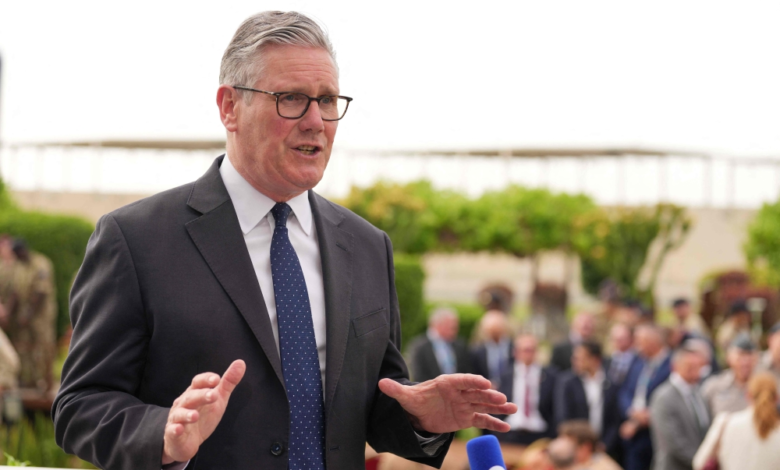
In a significant diplomatic move reflecting the international community's commitment to stability in the Middle East, British Prime Minister Keir Starmer welcomed the announcement of a ceasefire agreement between the United States and Iran. Starmer emphasized that this agreement represents a crucial turning point that will effectively contribute to easing escalating tensions, not only in the region but globally. These remarks come at a time when the world is cautiously awaiting the outcome of the conflict, which has cast a shadow over international peace and security.
The historical context of US-Iranian tensions
To understand the significance of this agreement, one must consider the broader context and historical background of US-Iranian relations. These relations have been characterized by decades of hostility and tension since the 1979 Iranian Revolution, through the hostage crisis, and culminating in deep disagreements over Iran's nuclear program. Recent years, particularly since Washington's withdrawal from the nuclear agreement in 2018, have witnessed an unprecedented escalation, including harsh economic sanctions, military skirmishes in the Gulf, and tensions involving Iran's allies in the region. Therefore, any ceasefire agreement represents a rare diplomatic breakthrough in a complex and protracted crisis.
The importance of the Strait of Hormuz and its impact on the global economy
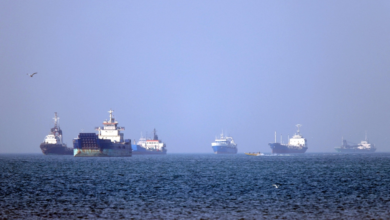
One of the key points emphasized by the British Prime Minister in his statement was the necessity of reopening the Strait of Hormuz and ensuring safe navigation through it. The Strait of Hormuz is considered one of the world's most strategically important waterways, through which approximately one-fifth of the world's daily oil production passes. Any threat to or closure of this strait would immediately lead to severe disruptions in global energy markets and a dramatic surge in oil prices, negatively impacting a global economy already grappling with inflationary challenges. Therefore, securing this vital waterway is a top priority for Britain and other major industrialized nations to guarantee the stability of supply chains.
The expected impact of the agreement regionally and internationally
Regionally, this agreement holds great promise for Middle Eastern countries that have long been affected by the repercussions of the US-Iranian conflict. The ceasefire is expected to reduce security tensions, giving the region a chance to catch its breath and focus on economic development and internal stability. Internationally, the success of this agreement strengthens the prospects for diplomatic solutions to other global crises and reduces the likelihood of being drawn into a wider regional war that could involve other major powers and disrupt global trade.
Working together towards lasting peace
In closing, Keir Starmer stressed the importance of continued and tireless work with international partners and allies to support and sustain this fragile agreement. He emphasized that the ultimate goal is not merely a temporary truce, but rather transforming this understanding into a lasting and comprehensive peace agreement that addresses the root causes of the conflict. This path requires intensive diplomatic efforts, mutual guarantees, and effective monitoring mechanisms to ensure the commitment of all parties, thus paving the way for a new era of stability in one of the world's most sensitive and strategically important regions.