Details of the 900 riyal fine for driving deceased persons' vehicles in Saudi Arabia

Introduction to the new traffic decision
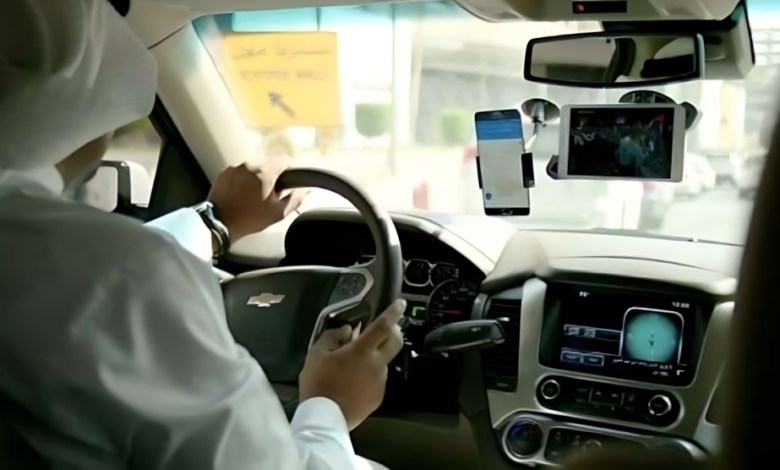
In a decisive regulatory step aimed at enhancing road safety and protecting rights, the Saudi Arabian Public Security Directorate announced a significant amendment affecting a wide segment of road users. This amendment imposes strict penalties on driving the vehicles of deceased individuals without obtaining official authorization from the legal heirs or relevant authorities. This decision comes as part of the Ministry of Interior's ongoing efforts to modernize traffic regulations to meet contemporary needs, ensure the highest levels of road safety, and curb legal violations.
Details of the fine for driving deceased persons' vehicles and the penalty for impoundment
According to the recent amendments to Article 68 of the Saudi Traffic Law, a new violation has been added to Schedule of Violations No. (4) attached to the law. The amendment stipulates a fine ranging from a minimum of 500 riyals to a maximum of 900 riyals for anyone caught driving a vehicle registered to a deceased person without a valid official authorization.
The penalty was not limited to a financial fine; the explanatory memorandum amending paragraph four of the same article also stipulated the immediate impoundment of the offending vehicle. The vehicle will not be released until the violation is rectified and its legal status is corrected by the heirs or legal representative, thus ensuring that such violations are not repeated and that all regulations are fully compliant.
Strategic context and local importance of the decision
This strategic amendment, based on Article 22 of the Cabinet System and following directives from the Minister of Interior to address procedural gaps in traffic fine collection, carries significant security and economic dimensions. Domestically, the decision aims to achieve several gains:
- Determining responsibilities: The decision prevents evading legal and financial responsibility in the event of traffic accidents or violations being recorded on the vehicle, as it makes it easier to identify the actual driver.
- Guarantee of insurance coverage: Insurance procedures are usually complicated by the death of the owner, so the decision requires the heirs to rectify the situation to ensure that the vehicle is subject to periodic inspection and mandatory insurance.
- Reducing visual pollution: This regulation prevents the neglect of deceased people's cars and leaving them abandoned in the streets and public squares, which directly contributes to preserving the civilized appearance of cities.
- Protecting public safety: The use of these vehicles in any activities that may disrupt public safety is strictly prohibited, and the complete safety of road users is guaranteed.
Regional and international impact and similar experiences
This Saudi measure is not unprecedented in international traffic laws; rather, it aligns with best practices followed in developed countries to ensure road safety. The relevant authorities in the Kingdom based their decision on a study of similar international practices that have proven effective in this area.
Regionally, Oman has legislation requiring heirs to transfer ownership of a deceased person's vehicle within 60 days of death to ensure continuity of legal responsibility. Internationally, the United Kingdom has strict measures in place, including the automatic cancellation of deceased persons' vehicle registrations. Vehicles can only be reused after insurance policies are renewed, taxes are paid, and ownership is officially transferred.
Summary and a call to rectify the situation
In conclusion, the Public Security Directorate's decision to impose fines and impound vehicles driven by deceased individuals without authorization is a proactive step to protect lives and property. Saudi Traffic urges all heirs or legal representatives of the deceased to promptly contact the relevant departments to rectify the status of these vehicles, thus avoiding legal repercussions and ensuring public safety.