
Details of intercepting missiles heading towards Riyadh and shooting down drones
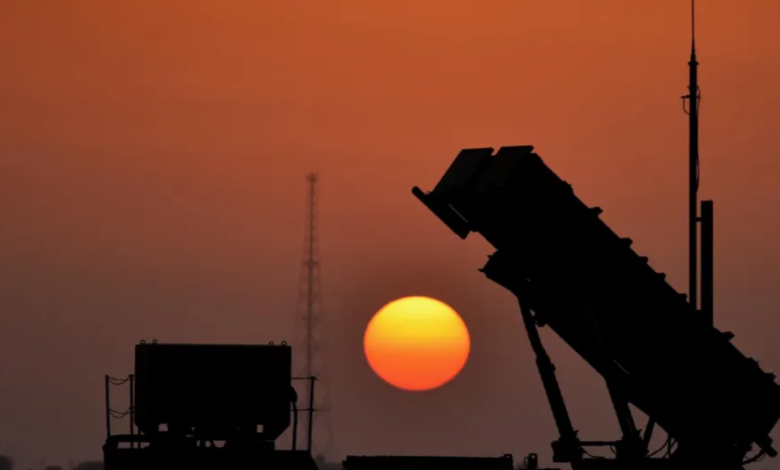
In a significant security development, Saudi authorities announced that the Royal Saudi Air Defense Forces successfully intercepted and destroyed seven ballistic missiles and downed ten explosive-laden drones launched toward the capital, Riyadh, and other areas. This event reflects the high level of readiness of Saudi defense systems in protecting national airspace and ensuring the safety of civilians and vital infrastructure from repeated hostile attacks.
The historical context of the Houthi militia attacks
These attacks come amid a continued escalation by the Houthi militia in Yemen, which has consistently targeted civilian infrastructure and civilians within Saudi Arabia over the past years. Since the launch of the Arab Coalition's operations to support the legitimate government in Yemen in 2015, ballistic missiles and drones have been used as primary tools in the conflict, with the militia seeking to damage infrastructure and sow fear among the civilian population. However, Saudi air defenses, particularly its advanced air defense systems, have demonstrated exceptional effectiveness in neutralizing these threats before they reach their targets.
Strategic importance and regional and international influence
Targeting Riyadh, the capital and a vital political and economic center in the Middle East, carries serious implications that extend beyond the local level to include regional and international repercussions. Domestically, these successful interceptions reassure citizens and residents that a protective shield safeguards the Kingdom's airspace. Regionally and internationally, such attacks constitute a blatant violation of international humanitarian law, a flagrant challenge to UN efforts to establish peace in Yemen and the region, and a threat to global energy security and the stability of the international economy.
International positions and condemnations from the international community
These repeated attacks have been met with widespread condemnation from the international community, including the United Nations, the United States, the League of Arab States, and the Organization of Islamic Cooperation. These condemnations underscore full solidarity with the Kingdom of Saudi Arabia in taking all necessary measures to preserve its security and stability. Observers also believe that the continued flow of sophisticated weapons to the militias poses a direct threat to regional security, necessitating a firm international stance to halt these violations and hold those responsible accountable.
The Kingdom's commitment to protecting its territory
In conclusion, the Kingdom of Saudi Arabia reaffirms its unwavering commitment to defending its territory and citizens in accordance with the UN Charter and international law. The Saudi Armed Forces continue to develop their defensive and deterrent capabilities to ensure they can counter any future threats, while also continuing to support political efforts to reach a comprehensive solution to the Yemeni crisis that guarantees the stability of the entire region and ends the suffering of the brotherly Yemeni people.