
تحركات دبلوماسية سعودية لتعزيز استقرار المنطقة
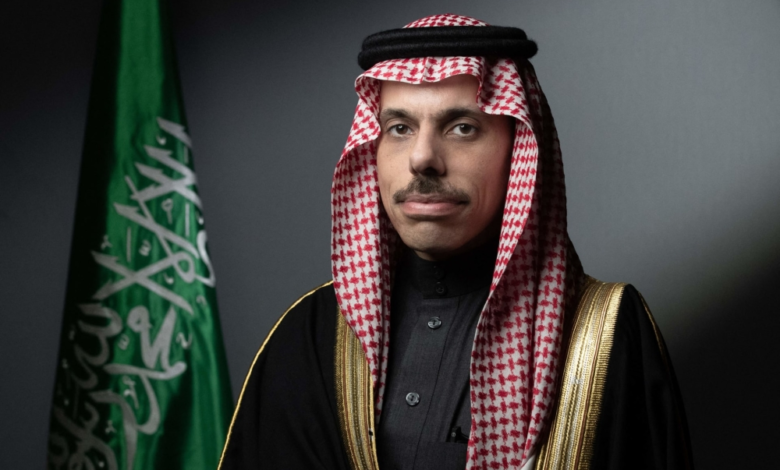
في إطار الجهود الدبلوماسية المستمرة التي تقودها المملكة العربية السعودية لضمان الأمن والاستقرار الإقليمي، أجرى صاحب السمو الأمير فيصل بن فرحان بن عبدالله، وزير الخارجية السعودي، سلسلة من الاتصالات الهاتفية الهامة مع نظرائه في دول مجلس التعاون الخليجي. تأتي هذه التحركات في ظل ظروف استثنائية تتطلب أعلى درجات التنسيق والتشاور بين الدول الشقيقة لمواجهة التحديات المشتركة.
تنسيق سعودي قطري مشترك
وقد أجرى سمو وزير الخارجية اتصالاً هاتفياً بمعالي الشيخ محمد بن عبدالرحمن بن جاسم آل ثاني، رئيس مجلس الوزراء ووزير خارجية دولة قطر الشقيقة. وجرى خلال هذا الاتصال المعمق مناقشة مجمل المستجدات على الساحة الإقليمية، واستعراض الجهود الدبلوماسية المبذولة لاحتواء الأزمات الراهنة. يعكس هذا الاتصال عمق العلاقات الثنائية بين الرياض والدوحة، وحرص القيادتين على توحيد الرؤى والمواقف تجاه القضايا المصيرية التي تمس أمن المنطقة، خاصة في ظل التوترات المستمرة التي تتطلب موقفاً خليجياً وعربياً متماسكاً.
تعزيز التعاون السعودي الإماراتي
في سياق متصل، أجرى الأمير فيصل بن فرحان اتصالاً هاتفياً بسمو الشيخ عبدالله بن زايد آل نهيان، نائب رئيس مجلس الوزراء ووزير خارجية دولة الإمارات العربية المتحدة الشقيقة. وتناول الاتصال بحث تطورات الأوضاع في المنطقة وتداعياتها المتسارعة، بالإضافة إلى تقييم الجهود المبذولة لخفض التصعيد. يبرز هذا التنسيق السعودي الإماراتي كركيزة أساسية في العمل الخليجي المشترك، حيث ترتبط البلدان بشراكة استراتيجية وتاريخية تهدف إلى صون المكتسبات الوطنية ودعم مسارات التنمية والسلام في الشرق الأوسط.
السياق الإقليمي والتحديات الراهنة
تكتسب هذه المباحثات الهاتفية أهمية بالغة بالنظر إلى السياق العام والخلفية التاريخية للأحداث التي تمر بها منطقة الشرق الأوسط. فالمنطقة تشهد حالياً تقلبات جيوسياسية حادة، بدءاً من الصراعات المستمرة في الأراضي الفلسطينية، وصولاً إلى التوترات في الممرات المائية الاستراتيجية مثل البحر الأحمر، والتي تؤثر بشكل مباشر على حركة الملاحة والتجارة العالمية. بناءً على ذلك، تسعى المملكة العربية السعودية، انطلاقاً من ثقلها السياسي والديني والاقتصادي، إلى لعب دور محوري في تهدئة الأوضاع ومنع انزلاق المنطقة نحو صراعات أوسع قد تضر بالأمن والسلم الدوليين.
أهمية الحدث وتأثيره المتوقع
على الصعيد المحلي والخليجي: تؤكد هذه الاتصالات على تماسك مجلس التعاون الخليجي وقدرته على التنسيق السريع والفعال لحماية أمن دوله وشعوبه، مما يعزز الثقة في متانة التحالفات الخليجية.
على الصعيد الإقليمي: تسهم هذه الجهود في بلورة موقف عربي موحد وقوي، يضغط باتجاه الحلول السلمية والدبلوماسية للأزمات المشتعلة، ويدعم حقوق الشعوب في العيش بسلام واستقرار بعيداً عن التدخلات الخارجية.
على الصعيد الدولي: ينظر المجتمع الدولي إلى التنسيق السعودي الإماراتي القطري كعامل توازن حاسم. فاستقرار هذه الدول يعد ضمانة لاستقرار أسواق الطاقة العالمية وأمن الممرات المائية، مما يجعل من تحركاتهم الدبلوماسية محط أنظار واهتمام العواصم العالمية الكبرى وصناع القرار في الأمم المتحدة.