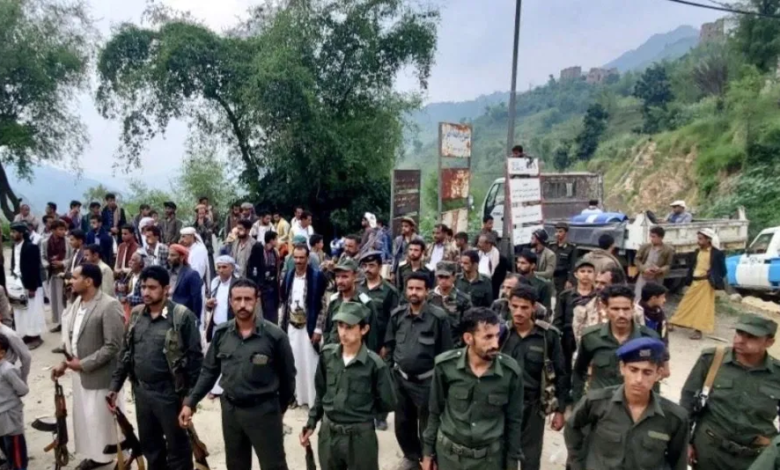
Houthi violations in southern Hodeidah: Details of abuses against residents and human rights condemnations

Areas in southern Hodeidah Governorate have witnessed a dangerous escalation in violations committed by the Houthi group against unarmed civilians. Local sources and human rights reports indicate widespread campaigns of reprisals targeting residents in villages and areas near the front lines. These practices are occurring amidst relative international silence, exacerbating the humanitarian suffering of the residents of Yemen's western coast, who are living under the weight of continuous bombardment and a suffocating blockade.
Details of the violations and the situation on the ground
Sources confirmed that the Houthi group has intensified its targeting of residential neighborhoods and civilian homes in the southern districts of Hodeidah, using artillery shells and machine guns. This has terrorized women and children, forcing dozens of families to flee their homes and abandon their properties. Human rights reports indicate that these violations are not limited to indiscriminate shelling, but also include arbitrary arrest campaigns targeting a number of young men, as well as the planting of landmines and improvised explosive devices (IEDs) on secondary roads and farms, depriving farmers of their livelihoods and turning their lives into a daily nightmare.
The strategic importance of Hodeidah and the background of the conflict
Hodeidah Governorate holds paramount strategic importance as it contains one of Yemen's most vital ports, a crucial lifeline for the entry of humanitarian aid and commercial goods into most of the northern governorates. Since the outbreak of the conflict, Hodeidah has been a major flashpoint. Despite the signing of the Stockholm Agreement in late 2018, which stipulated a ceasefire and redeployment, violations have continued, and the southern areas of the governorate have remained the scene of intermittent military operations and ongoing violations of international humanitarian law.
Humanitarian repercussions and international stances
These practices have exacerbated the humanitarian crisis in the region, where residents are suffering from severe shortages of food, medicine, and potable water, while health and service facilities have been disrupted by direct or indirect targeting. Numerous local and international human rights organizations have strongly condemned these violations, describing them as war crimes that warrant accountability. These organizations are calling on the international community and the United Nations to exert real pressure on the Houthis to cease targeting civilians and to adhere to international conventions that criminalize endangering civilian lives during armed conflicts.
An uncertain future and fears of escalation
Observers of Yemeni affairs believe that the continuation of these violations in southern Hodeidah threatens to undermine any efforts to de-escalate the conflict or revive the political process, and further complicates the military situation on the western coast. Residents fear that this escalation will lead to new waves of displacement that will overwhelm the capacity of camps and surrounding areas to accommodate them, foreshadowing an imminent humanitarian catastrophe unless urgent intervention is undertaken to protect civilians and secure their basic needs.