
A tragic accident in Zanjan province, Iran
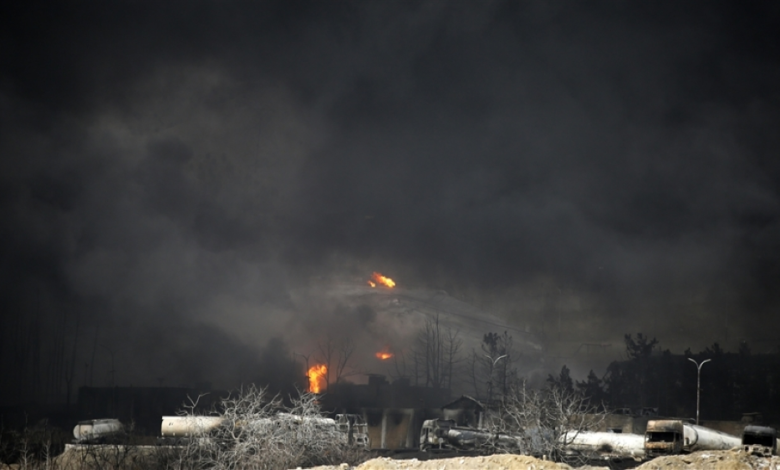
Iranian state media reported a tragic accident in Zanjan province in the northwest of the country, in which 14 members of the Islamic Revolutionary Guard Corps (IRGC) were killed and two others injured while carrying out a highly dangerous mission to dismantle unexploded ordnance. The explosion occurred during a clearance operation in an area contaminated with war remnants, highlighting once again the continuing dangers posed by these weapons even decades after the end of conflicts.
Historical background: The legacy of the Iran-Iraq War
The roots of this tragedy lie in the Iran-Iraq War (1980-1988), which saw the extensive use of various types of weapons, including cluster bombs and aerial mines. The Fars News Agency quoted a statement from the Islamic Revolutionary Guard Corps (IRGC) saying that “enemy air raids” during that period contaminated vast areas of land, including nearly 1,200 hectares of farmland in Zanjan province alone. These unexploded ordnance, known as UXO, remain dormant and dangerous for decades, posing a deadly threat to civilians and farmers and hindering economic development in the affected areas. Their removal requires highly skilled technicians and specialized equipment and is considered one of the most dangerous military tasks in peacetime.
Nature of the danger: cluster munitions
Cluster munitions are air-launched or ground-launched weapons that explode in the air, scattering numerous bomblets or "submunitions" over a wide area. A significant percentage of these submunitions fail to detonate upon impact, effectively becoming landmines. This was the danger faced by the Revolutionary Guard's engineering team. The statement indicated that the experts had been working to clear these areas and had already neutralized more than 15,000 munitions before the tragic incident, reflecting the scale of the effort and the inherent risks of the mission.
Significance and impact: A constant reminder of the cost of war
Domestically, this incident represents a major human tragedy and highlights the ongoing sacrifices made by the Iranian armed forces in dealing with the legacy of a long war. It also raises public awareness of the dangers that persist in many rural and border areas. Internationally, the incident reignites the debate surrounding the use of cluster munitions. It is worth noting that the 2008 Convention on Cluster Munitions, which prohibits the use, production, stockpiling, and transfer of these weapons, has not been signed by key countries such as Iran, the United States, Russia, and Israel. This means that these weapons remain part of the arsenals of many countries and pose a continuing threat to civilians in conflict zones around the world.