Saudi Hajj Minister: The success of the Hajj season is a shared responsibility for all

Statements by the Minister of Hajj and Umrah regarding the Hajj season
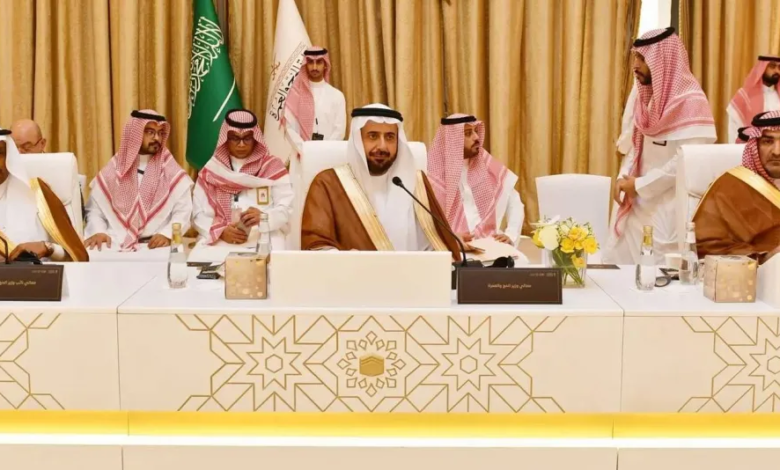
The Saudi Minister of Hajj and Umrah emphasized that the success of the Hajj season is not the responsibility of any single entity, but rather a shared responsibility requiring concerted efforts from all governmental and private bodies, in addition to the awareness and cooperation of the pilgrims themselves. These remarks come within the framework of the extensive preparations undertaken annually by the Kingdom of Saudi Arabia to ensure the provision of the best possible services to the pilgrims of the Holy House of God, and to facilitate the performance of their rituals with ease, comfort, and peace of mind.
General context and historical background of serving the guests of God
Historically, since its founding, the Kingdom of Saudi Arabia has given utmost attention and care to the Two Holy Mosques and their visitors. Over the decades, the holy sites have witnessed massive expansion projects and continuous infrastructure development, including the expansion of the Grand Mosque in Mecca and the Prophet's Mosque in Medina, the development of the Jamarat facility, the construction of the Haramain High-Speed Railway, and the modernization of transportation networks. These efforts now fall under the umbrella of Saudi Vision 2030, specifically the Guests of God Service Program, which aims to bring about a qualitative leap in the Hajj and Umrah experience, increase the capacity to receive millions of Muslims from around the world, and provide high-quality services that meet their expectations.
The importance of the event and its expected local impact
Domestically, the Hajj season represents a state of full mobilization across all sectors of the state—security, health, services, and logistics. The success of this season reflects the efficiency of the Saudi administration and its ability to manage millions of pilgrims within a limited geographical area and a short timeframe. Furthermore, the joint coordination between the public and private sectors contributes to strengthening the local economy, providing seasonal job opportunities, and stimulating commercial activity in Mecca and Medina, which positively impacts sustainable development in the Kingdom.
The regional and international impact of a successful Hajj season
Regionally and internationally, the Hajj season receives immense attention from all Islamic countries and Muslim communities worldwide. The joint cooperation mentioned by the Minister of Hajj also extends to the official Hajj missions of other countries, which bear the responsibility of educating their pilgrims about health and safety regulations and instructions before their arrival in the Holy Land. The success of the Hajj season reinforces the Kingdom of Saudi Arabia's position as the heart of the Islamic world and underscores its leadership in managing the largest annual human gathering on Earth peacefully and securely. Adherence to instructions, such as obtaining official Hajj permits and avoiding fraudulent campaigns, is an integral part of this shared responsibility to ensure everyone's safety and prevent any incidents that might disrupt this great ritual.
a summary
In conclusion, the vision of the Ministry of Hajj and Umrah is to provide a safe and accessible spiritual experience for every pilgrim. To achieve this noble goal, the integration of the state's efforts and the pilgrims' adherence to regulations remains the cornerstone. The Saudi Minister of Hajj's appeal is an open invitation to everyone to fulfill their roles responsibly and honestly, so that the Hajj season may be a success and the guests of God may return to their homelands safe and sound.