
نقلة نوعية في منظومة الإسعاف خلال موسم الحج
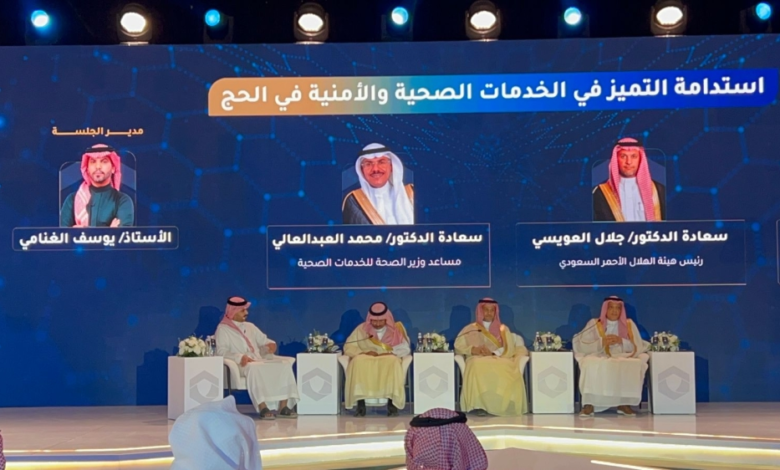
أكد رئيس هيئة الهلال الأحمر السعودي، الدكتور جلال العويسي، خلال مشاركته في منتدى الصحة والأمن في الحج، أن منظومة الإسعاف في موسم حج هذا العام قد شهدت نقلة نوعية غير مسبوقة في سرعة الاستجابة وكفاءة اتخاذ القرار. وتعتمد هذه النقلة على منظومة تشغيلية متقدمة تقوم بتحليل البيانات والكثافات البشرية، مما يتيح توجيه الفرق الإسعافية وفق معايير دقيقة تضمن تقديم الرعاية الطبية في الوقت المناسب وبأعلى درجات الكفاءة.
السياق التاريخي والتحول الرقمي في خدمة ضيوف الرحمن
تاريخياً، أولت المملكة العربية السعودية منذ تأسيسها اهتماماً بالغاً بصحة وسلامة الحجاج، وسخرت كافة إمكاناتها لضمان أداء المناسك بيسر وسهولة. ومع انطلاق رؤية السعودية 2030 وبرنامج “خدمة ضيوف الرحمن”، تسارعت وتيرة التحول الرقمي في القطاع الصحي. ولم يعد دور الهلال الأحمر يقتصر على النقل الإسعافي التقليدي، بل تطور ليصبح منظومة ذكية متكاملة تعتمد على التقنيات الحديثة لإدارة الحشود الطبية، وهو ما يعكس التزام المملكة بتقديم أرقى الخدمات الصحية للحجاج وتطوير البنية التحتية لطب الحوارث والتجمعات.
إدارة الأزمات: 90 ثانية لتحويل البلاغ
وأوضح الدكتور العويسي أن الهيئة تتعامل خلال ذروة الموسم، وتحديداً في اليومين التاسع والعاشر من ذي الحجة، مع ضغط هائل يقارب 10 آلاف اتصال يومياً. الإنجاز الأبرز يتمثل في تحويل هذه الاتصالات إلى بلاغات إسعافية خلال مدة زمنية قياسية لا تتجاوز 90 ثانية. وأشار إلى أن هذه السرعة لا تعكس فقط كفاءة الاستقبال، بل تبرز جودة اتخاذ القرار قبل تحريك الفرق الميدانية. فاختيار الفرقة الإسعافية المناسبة لا يتم بشكل عشوائي، بل عبر تحليل المواقع الجغرافية، ودراسة الطرق الأقصر والأسرع، وتحليل الكثافات والاتجاهات المرورية داخل المشاعر المقدسة.
وسائل نقل مبتكرة: من السكوتر إلى عربات “رفيدة”
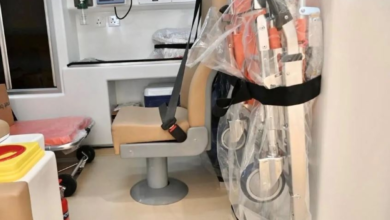
لضمان الوصول السريع في بيئة شديدة الازدحام، أشار العويسي إلى تنوع وسائل الاستجابة بحسب طبيعة الموقع والكثافة البشرية. تبدأ هذه الوسائل من استخدام “السكوترات” الإسعافية داخل المناطق المزدحمة، وصولاً إلى النقل الجوي عبر “الهليكوبتر” للحالات الحرجة التي تتطلب تدخلاً عاجلاً. وكشف عن إدخال وسائل نقل جديدة هذا العام، أبرزها عربة “رفيدة” الكهربائية، التي استوحي اسمها من الصحابية الجليلة رفيدة الأسلمية، أول ممرضة في تاريخ الإسلام. ستعمل هذه المركبات بمرونة عالية داخل الحشود، حيث توفر الخدمة أكثر من 250 كرسياً كهربائياً لتسهيل نقل المرضى وكبار السن بأمان وسرعة.
الاستجابة الاستباقية والأثر العالمي
على الصعيدين الإقليمي والدولي، يمثل نموذج “الاستجابة الاستباقية” الذي طوره الهلال الأحمر السعودي خلال السنوات الثلاث الأخيرة مرجعاً عالمياً في طب الحشود. تعتمد هذه الآلية على قراءة البيانات وتوقع المواقع الأكثر عرضة للحالات الصحية، مما يتيح تمركز الفرق الطبية مسبقاً قبل وقوع الإصابات. كما تبدأ الخدمة الإسعافية فعلياً منذ لحظة تلقي الاتصال عبر تقديم الإرشادات الطبية الهاتفية، مما يقلل من احتمالات تدهور الحالة الصحية. هذا التطور يرسخ مكانة المملكة كدولة رائدة عالمياً في إدارة التجمعات البشرية الضخمة، ويقدم نموذجاً يحتذى به في إدارة الطوارئ والأزمات الصحية.