
منذ فجر التاريخ الإسلامي، لعبت مدينة جدة دوراً محورياً كبوابة رئيسية للحرمين الشريفين، حيث كانت النقطة الأولى التي تطأها أقدام الحجاج الميممين شطر مكة المكرمة. واليوم، وفي ظل النهضة الثقافية والسياحية التي تشهدها المملكة العربية السعودية، تعود جدة التاريخية لتتصدر المشهد، ليس فقط كممر للحجاج، بل كوجهة سياحية وتراثية عالمية. إن تحويل معالم الحج القديمة إلى مزارات سياحية يعكس حرص المملكة على إحياء التراث الإسلامي وتقديمه للعالم بأسلوب عصري يمزج بين الأصالة والتطور.
تُعرف جدة بـ “عروس البحر الأحمر”، وقد اكتسبت أهميتها الاستراتيجية والدينية منذ أن اتخذها الخليفة الراشد عثمان بن عفان -رضي الله عنه- ميناءً لمكة المكرمة في عام 26 هـ، لتكون بديلاً عن ميناء الشعيبة. هذا القرار التاريخي جعل من جدة شرياناً حيوياً يربط قارات العالم القديم، ومحطة تتلاقى فيها الثقافات الإسلامية المتنوعة. وقد أثمر هذا التنوع عن نسيج عمراني واجتماعي فريد، تُوج في عام 2014 بإدراج “جدة التاريخية” ضمن قائمة التراث العالمي التابعة لمنظمة اليونسكو، مما أضفى عليها بعداً دولياً يعزز من قيمتها الإنسانية.
ميناء البنط: شاهد على بدايات الرحلة
يُعد ميناء البنط التاريخي من أبرز المعالم التي وثقت رحلة الحج عبر البحر. يعود تاريخ تأسيس هذا الميناء بشكله المنظم إلى عام 1867م، حيث كانت مياه البحر الأحمر تلامس بدايات شارع الملك عبدالعزيز الحالي. وفي عهد الملك المؤسس عبدالعزيز آل سعود -طيب الله ثراه-، صدرت الأوامر بإنشاء رصيف خاص لمراكب نقل الحجيج أمام “مبنى البنط” الممتد من مبنى البريد حالياً إلى مركز بقشان. واليوم، يعمل “برنامج جدة التاريخية” بجهود حثيثة على إحياء هذا الميناء التاريخي، وتطوير الواجهة البحرية لإعادة البحر إلى البلد، واستعادة الهوية البصرية للمنطقة لتكون مطابقة لما كانت عليه في الماضي، مما يعزز من جاذبيتها السياحية.
مسار الحج: خطوات سطرها التاريخ
لم تكن رحلة الحج قديماً مجرد انتقال مكاني، بل كانت تجربة روحانية يبدأ الإعداد لها قبل أشهر من موعدها لجمع المال واختيار الرفقة الصالحة. وعند وصول الحجاج إلى جدة، كانوا يسلكون مسارات محددة باتت اليوم معالم تراثية. يبدأ المسار من ميناء باب البنط، مروراً بشارع الملك عبدالعزيز، ثم شارع قابل التجاري العريق، وصولاً إلى سوق العلوي، لينتهي المطاف عند “باب مكة” الذي يمثل نقطة الانطلاق الفعلية نحو المشاعر المقدسة. وقد قامت أمانة محافظة جدة، بالتعاون مع وزارة الثقافة، بتطوير هذا المسار التاريخي الذي يمتد عمره لأكثر من 1400 عام، ليتحول إلى وجهة سياحية محاطة بالبيوت الحجازية العتيقة والمساجد التاريخية.
بحيرة الأربعين: منبع البناء ومحطة الاستراحة
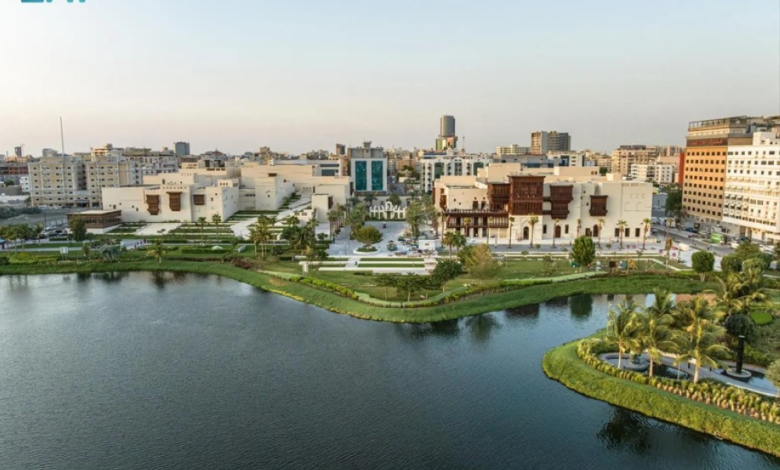
تحمل “بحيرة الأربعين” في طياتها قصصاً من عبق التاريخ، إذ تشير المصادر التاريخية إلى أن الخليفة عثمان بن عفان وأصحابه نزلوا في هذا الموقع للاغتسال برداء ساتر عام 26هـ. كما عُرفت البحيرة قديماً باسم “بحر الطين”، حيث كانت تشكل المصدر الأساسي للطين المستخدم في بناء البيوت الحجازية التقليدية، والذي كان يوضع كعازل ومادة رابطة بين قطع الحجر “المنقبي” المستخرج من البحر، وذلك قبل ظهور الأسمنت. وبفضل مشاريع التطوير الحالية، تحولت المنطقة المحيطة بالبحيرة إلى منتزه حيوي متكامل يجمع بين البيئة الحضرية والإرث القديم.
التأثير المحلي والدولي ضمن رؤية 2030
إن إعادة تأهيل هذه المعالم وتحويلها إلى وجهات سياحية لا يقتصر أثره على تجميل المدينة فحسب، بل يحمل أبعاداً اقتصادية وثقافية عميقة تتوافق مع مستهدفات رؤية السعودية 2030. فعلى الصعيد المحلي، تساهم هذه المشاريع في خلق فرص عمل جديدة، ودعم الاقتصاد من خلال تنشيط الحركة التجارية في الأسواق التراثية. أما دولياً، فإن إبراز هذه المعالم يضع جدة على خارطة السياحة الثقافية العالمية، ويجذب الزوار والباحثين المهتمين بالتاريخ الإسلامي، مما يعزز من دور المملكة كحاضنة للتراث الإنساني ويقدم للعالم نموذجاً حياً لكيفية الحفاظ على التاريخ مع مواكبة متطلبات العصر.